
Best Trading Websites for Pakistani Traders
Explore top trading websites for Pakistani traders, focusing on key features, security, and tips for smart online trading 📈💻🇵🇰
Edited By
Henry Lawson
In recent years, trading has shifted dramatically towards online platforms, offering investors in Pakistan a plethora of websites to choose from. Whether you're a beginner eyeing the Karachi Stock Exchange or a seasoned trader navigating forex and commodities, knowing the ins and outs of these trading websites is essential.
This guide aims to walk you through the core aspects of trading websites tailored specifically for the Pakistani market. From understanding which features matter most to assessing security measures and compliance with local regulations, we’ll cover everything you need to trade smartly and safely.
Choosing the wrong trading platform can cost you more than just money—it can waste time and cause unnecessary frustration.
By the end of this article, you’ll have a clear picture of how to select the right website, what pitfalls to avoid, and tips to enhance your trading experience while steering clear of common risks. The goal is to equip you with practical knowledge that helps both new and experienced Pakistani investors make informed decisions in the fast-paced online trading scene.
Trading websites have become the backbone of modern investing, specially for Pakistani investors who have increasingly turned toward online markets. Understanding what these platforms offer and how they work helps traders make informed decisions and avoid costly mistakes. It's not just about clicking „buy“ or „sell“; these websites are hubs where market access, portfolio management, and education come together.
The significance of grasping the purpose of trading platforms lies in their ability to empower investors with tools that were once only available to large institutions or at physical brokerage offices. For example, platforms like Interactive Brokers and local ones such as PSX's online systems allow users to execute orders in real-time and monitor market trends effortlessly. This accessibility makes it easier for Pakistani investors to engage directly with the market without relying heavily on middlemen.
At their core, trading websites connect investors directly to global and local markets. This means you can buy or sell shares, commodities, currencies, or other financial instruments anytime the market is open. The speed and accuracy of order execution matter most here—if you lag, prices may shift quickly. A practical takeaway is to use platforms that offer real-time market data and have a reputation for speedy order fulfillment, like TD Ameritrade or local brokers such as AKD Securities.
When you place a market order, for example, the trade executes immediately at the current price. Limit orders let you set the price you're willing to pay or receive, so the trade only happens if the market hits that level. These features ensure control and flexibility for traders who want to act fast or be precise.
Good trading websites offer dashboards where investors can see the big picture of their holdings, cash balance, and recent trades all in one place. This is invaluable for Pakistani investors who might juggle multiple investments across equities, mutual funds, and even international assets.
Such platforms often provide graphical portfolio breakdowns and performance tracking over time. For example, some apps highlight which stocks are dragging your returns down or which sectors you’re heavily weighted in—insights that can prompt timely adjustments.
Keeping the portfolio updated helps avoid surprises at tax time too since you'll better grasp realized gains or losses.
Trading sites don't just facilitate transactions—they also educate. For folks dipping toes into Pakistan Stock Exchange or even international markets, access to tutorials, webinars, and research reports is a must-have.
Many platforms include charting software, market news feeds, and expert analysis that help users understand market movements or company fundamentals. Think of this as a GPS for navigating the sometimes foggy roads of investing. For instance, platforms like eToro provide plenty of such resources, fostering smarter trades.
These platforms run on your browser and don’t require software installation, making them super convenient. Pakistani traders with limited storage on devices or who switch between computers appreciate this flexibility.
Although web-based platforms might lack some advanced functionality, they cover all the basics—placing orders, portfolio monitoring, and accessing research. Examples include platforms like Webull and even local options provided by brokerages linked with PSX.
They’re great for casual traders or those building their skills without investing in heavy software.
For traders seeking speed and sophisticated tools, desktop apps are the way to go. These platforms often provide more powerful charting, faster data processing, and advanced order types.
Pakistani investors actively day trading or managing large portfolios may prefer software like MetaTrader or ThinkorSwim by TD Ameritrade. While you face the hassle of downloading and updating software, the upside is a smoother, faster, and feature-packed experience.
With mobile apps, trading couldn't be easier—your entire brokerage account fits in your pocket. This is especially handy for Pakistanis on the move or those who can’t be tied to a desktop during market hours.
Apps from brokers like MTrade and Al Meezan Investment allow quick order placement, portfolio checks, and alerts for price changes or news. Though screen size limits detailed analysis, many apps balance simplicity with essential features.
For newcomers and seasoned traders alike, mobile apps ensure you’re always connected to the pulse of the market.
Choosing the right type of platform depends on your trading style, technical comfort, and the kind of market access you require. Start simple and upgrade as your needs grow.
When picking a trading website, it's about more than just getting access to stocks or markets. The core features these platforms offer can make or break your trading experience, especially for Pakistani investors who face unique challenges like connectivity issues and currency hurdles. Knowing what to look for helps you trade smoother, faster, and safer.
Intuitive layout plays a big role in how quickly you can make decisions. A clean, straightforward design means you won't be fumbling around trying to place orders or check your portfolio. Think of it like a well-organized bazaar: if it’s cluttered and confusing, you’ll probably miss out on the best deals. For example, platforms like JS Global allow you to access live markets with just a few clicks, reducing the chance of errors during fast-moving trading sessions.
Customization options let you tailor the platform according to your trading style. Whether you prefer a dark mode at night or want quick access to your favorite stocks, customization gives you control. Pakistani traders often appreciate being able to adjust chart types, set default order sizes, or rearrange dashboards, which helps save time and reduces mistakes.
Understanding market, limit, and stop orders is key to executing trades that fit your risk appetite. A market order buys or sells immediately at the current price, great for when you want instant execution. Limit orders allow you to set a specific price point, so your trade only goes through when the market hits that level—a handy tool when you’re targeting entry or exit points without constantly watching the screen. Stop orders help with risk management, triggering a sale if prices fall below a set threshold, which is a lifeline when markets turn volatile.
Most serious traders depend heavily on charting and technical analysis tools available on the site. These come with a variety of indicators like moving averages or RSI (Relative Strength Index) to spot trends and potential reversal points. Websites such as Interactive Brokers or IG Markets provide in-depth charting features with multiple timeframe views, which Pakistani investors can use to analyze both PSX and international markets.
The importance of live quotes can’t be overstated. Delays by even a few seconds might cost you a missed opportunity or an unexpected loss, especially in volatile markets. A solid trading website updates prices instantly and reliably, with minimal lag. Some platforms incorporate data from Pakistan Stock Exchange directly, ensuring what you see is accurate and timely.
News feeds and market alerts are valuable, especially when global events can swiftly impact local markets. Up-to-the-minute notifications on economic developments, corporate announcements, or geopolitical shifts help traders react promptly. For instance, alerts on government policy changes or earnings reports can be game changers for investors watching their sectors closely.
Real-time information and quick reactions can be the difference between profit and loss, so an efficient trading website must excel here.
Security remains a hot topic, especially with financial transactions involved. Look out for platforms with strong encryption protocols, meaning your data and transactions get shielded from hackers. Pakistani traders must pay close attention since cyber threats have been rising locally and globally.
Equally important is two-factor authentication (2FA). By requiring a second form of verification (like a code sent to your phone), 2FA drastically reduces the risk of unauthorized access. Even if someone gets hold of your password, they’re blocked from logging in without the second key. Many popular platforms, such as E*TRADE and TD Ameritrade, have made 2FA a standard feature.
Secure platforms combine these measures to give you peace of mind so you can focus on trading rather than worrying about risks lurking behind the scenes.
Keeping an eye on these core features helps you select a trading website that suits your needs and shields you from common pitfalls. The right tools and security practices form the foundation for smart, confident investing in Pakistan’s unique market environment.
Choosing the right trading website is a big deal, especially for Pakistani investors who face unique challenges like fluctuating exchange rates, local regulations, and payment method restrictions. A solid platform can make your trading experience smoother, safer, and more profitable. Think of it like picking the right car; one with a powerful engine but terrible brakes won’t get you far. Similarly, the trading website must balance functionality, security, and ease of use.
When you pick a website, focus not just on flashy features but how well it fits local realities—like supporting Pakistani banks or complying with SECP rules. A trustworthy site offers clear fee structures, reliable customer support, and easy payment options. These things matter more than people realize and can save you headaches down the road.
The Securities and Exchange Commission of Pakistan (SECP) is the watchdog that keeps an eye on financial markets to protect investors. Trading websites that follow SECP regulations show they meet certain legal and operational standards. For instance, platforms like PSX’s own online portal comply fully with SECP guidelines, giving traders confidence their activities are monitored and fair.
Why does this matter? Without SECP oversight, the risk of scams or unfair practices rises. When you pick a trading site licensed by SECP or affiliated with Pakistani brokers, you’re safely within the legal framework. Always check for SECP approval before handing over your cash or personal info.
On the flip side, many large global platforms like Interactive Brokers or Saxo Bank offer international licenses from regulatory bodies such as the FCA (UK) or SEC (US). These licenses ensure a high level of security, transparency, and operational standards across borders. For Pakistani traders looking to diversify beyond local markets or trade foreign stocks, these sites can be attractive.
However, note that international licenses don’t replace local compliance. Sometimes, using these platforms may involve extra paperwork or restrictions due to local laws. It’s wise to consult the platform’s support about any limitations for Pakistani users before you start trading.
Commission fees can eat into your profits if you’re not careful. Some websites charge a fixed fee per trade, while others take a percentage of the transaction value. For example, local platforms like JS Global charge a modest commission per trade, which usually suits frequent Pakistani traders.
On the other hand, international platforms might have a tiered structure—lower fees for high volumes but higher minimum commissions for small trades. Comparing these costs against your trading style is essential. If you make small, frequent trades, a low or zero-commission platform like eToro might be beneficial.
Maintenance or inactivity fees can be sneaky money grabs. Some platforms charge monthly or yearly fees just for keeping your account open, even if you don't trade. For instance, some international brokers levy a $10 monthly inactivity fee after several months without trading.
Pakistani platforms generally keep these fees minimal or non-existent to cater to local investors. Always check the fine print and ask customer service about any hidden charges before registering.
When things go sideways (and they sometimes do), having local customer support can be a lifesaver. Support teams that understand Pakistan’s context—like banking delays or time zone differences—make the resolution quicker.
Platforms like PSX’s web portal or local brokers provide dedicated helplines and support offices that speak your language and understand your concerns firsthand. This direct connection beats being bounced around international call centers with scripts that don’t fit.
Pakistan’s official languages include Urdu and English, and many traders feel more comfortable communicating in Urdu when discussing complex issues.
Trading websites that offer multilingual support—especially in Urdu—help remove barriers for users who might struggle with English technical jargon. This can mean the difference between a quick solution and hours of frustrating back-and-forth.
Bank transfers remain the backbone of online trading payments in Pakistan. Most Pakistani investors use their local bank accounts to deposit funds. Platforms that support major Pakistani banks like Habib Bank Limited, MCB, or Standard Chartered Pakistan offer smoother transactions with fewer delays.
The key is finding a platform that doesn’t charge hefty fees for local transfers and completes transactions quickly. For example, PSX-linked platforms often allow instant settlement with major local banks.
The rise of services like JazzCash and EasyPaisa has changed the game for quick and easy payments in Pakistan. Trading websites accepting these mobile wallets offer more convenient funding options, especially for those without easy bank access.
Additionally, some traders use online payment services like Payoneer or Skrill to move money internationally, but these often come with higher fees and slower processing times. Choosing a platform that integrates popular local wallets can save time and cash.
Remember: Always verify the deposit and withdrawal options before signing up. A platform that makes it easy for you to put in and take out money will keep your trading life hassle-free.
Picking the right trading website is less about fancy bells and whistles and more about fitting your specific needs as a Pakistani investor. Compliance with laws, clear fees, strong support, and easy payment channels are the building blocks that turn a good trading platform into the right one for you.
Pakistani traders encounter a unique set of hurdles when using online trading platforms. These challenges can affect how smooth and profitable their trading experience is, making it important to know what these issues are and how to tackle them. From intermittent internet connections to tricky currency conversions, understanding these barriers helps traders manage expectations and adopt smart practices, avoiding frustration and financial loss.
Reliable internet access is the backbone of any online trading activity. In Pakistan, spotty internet coverage can cause traders to miss crucial moments for buying or selling stocks.
Downtime happens when the trading platform or the internet service goes offline. This can be a nightmare during volatile market hours, where even minutes matter. Pakistani traders should look for platforms with good uptime records and consider setting up backup internet solutions, like mobile data or secondary ISPs, to stay connected during crucial trades.
Slow loading times or glitches in the platform can lead to delayed order execution, causing missed opportunities or worse, unintended trades. Practices like regularly updating trading apps, clearing cache, and using wired connections instead of Wi-Fi can help improve performance. Vendors like PSX trading platforms often offer guidelines on optimizing browsers or devices for smoother operation.
Dealing with multiple currencies is a part of international trading, but it can be tricky for Pakistani traders due to fluctuating exchange rates and bank policies.
The cost of converting PKR to USD or other currencies can significantly impact profits, especially when rates fluctuate daily. Traders should keep an eye on mid-market rates and compare currency conversion fees across different services like HBL or JazzCash before transferring funds. Keeping funds in foreign currency accounts where possible might help reduce conversion losses.
Withdrawing earnings can sometimes be slow or complicated, depending on the payment method and bank involved. Pakistani traders often face delays because of regulatory checks and banking holidays. Platforms that provide clear information on withdrawal times and keep customers updated on processing status help ease anxieties and improve trust. Planning trades and withdrawals considering these timelines avoids cash flow issues.
Being aware of these common hurdles allows traders in Pakistan to prepare better and choose the right platforms, tools, and strategies to minimize problems and trade with more confidence."
Getting started with online trading might seem daunting at first, but it’s a straightforward process once you break it down. This part of the guide is essential because it walks you through the practical steps of going from a curious observer to an active trader. Knowing how to properly set up an account and place your first trade can save you time, potential mistakes, and money.
Before you dive into trading, most platforms will ask you to verify your identity. This isn't just bureaucratic red tape; it's a crucial step to keep your account safe and comply with legal regulations like those from SECP (Securities and Exchange Commission of Pakistan). You’ll typically be asked to submit your CNIC (Computerized National Identity Card), a utility bill for proof of address, and sometimes additional documents like a tax identification number.
For instance, on a platform like EasyPaisa Stocks, verification ensures that your account is genuine and helps prevent fraud. It usually takes a couple of days to get everything cleared. Be prepared to follow up if the process seems slow—some platforms allow you to track verification status directly on their site.
Once verified, the next step is funding your account. Pakistani traders have several options here including bank transfers from state-owned or private banks such as HBL, MCB, or UBL, and sometimes mobile wallets like JazzCash or Easypaisa if supported by the platform.
A practical tip is to check the minimum deposit requirement before funding. For example, the PSX's official trading platform might require a minimum deposit to start trading, which you should budget for. Also, keep an eye on potential fees, currency exchange rates, and processing times. Depositing via local banks generally takes 24 to 48 hours, whereas some e-wallet transfers can be instant.
When you’re ready to place your first trade, deciding what to buy is the first hurdle. Pakistani investors often start with large, well-known companies listed on the Pakistan Stock Exchange (PSX) like Engro Corporation or Oil & Gas Development Company because they offer more stability.
It’s smart to look at recent financial reports, dividend history, or market news before picking a stock. For example, if you notice that Nishat Mills has been posting consistent quarterly profits and has positive market sentiment, it could be a safer pick than a newer startup with volatile results.
In addition to equities, many platforms offer mutual funds, bonds, or ETFs, which might be less risky and easier for beginners.
Executing your trade properly is just as important as picking the right stock. Trading websites usually offer different order types—market orders, limit orders, and stop orders.
Market orders buy or sell immediately at the best available price.
Limit orders let you set the price at which you want to trade, which helps control costs but might not execute if the price doesn’t reach your target.
Stop orders trigger a trade when the price hits a certain point, useful for limiting losses.
For a Pakistani trader placing a market order on Systems Limited shares at 9:30 AM, the order will execute at the prevailing market price instantly. But if you use a limit order, you can set it to buy only if the price drops to your preferred level.
Remember, start small. Use limit orders when you’re new to have more control over your spending and avoid surprises.
Taking these steps confidently ensures a smoother introduction to trading online, especially in the Pakistani context where regulatory and banking nuances matter. By thoroughly understanding account setup and trade execution, you're setting yourself up for a better trading experience.
Trading online can be a smooth ride if you keep security at the forefront. In the Pakistani trading scene, where digital transactions are growing fast, keeping your accounts safe is more than just a good idea — it’s essential. Without proper security, investors risk losing funds and sensitive data, especially with rising cyber threats globally.
By adopting strong security habits, you reduce your vulnerability to hacks and fraud. This section covers practical steps you can take to protect yourself, including password best practices, spotting phishing scams, regularly checking your account activity, and avoiding risky networks.
Strong password habits are your first line of defense against unauthorized access. Avoid simple passwords like "123456" or "password" — these are like leaving your door wide open. Instead, use a mix of upper and lower case letters, numbers, and symbols. For example, a password like Karachi2024! is a lot tougher to crack than generic alternatives.
Many traders find using a password manager useful. Not only does it store complex passwords for different sites, but it also generates strong passwords you wouldn’t easily come up with yourself. Changing passwords regularly and never reusing them across multiple trading platforms adds an extra safety layer.
Phishing scams are common ways criminals trick traders into handing over login details or financial info. These might come as emails or messages pretending to be from your trading website, asking you to "verify your account" or "update payment information" urgently.
Look out for suspicious signs like poor grammar, generic greetings, or suspicious links. For example, an email claiming to be from "PakStockTrade Support" with a link that doesn't match the official website domain is a red flag. Always double-check the sender’s email and never click on links without confirming their legitimacy.
Tip: When in doubt, open your trading app or website directly by typing the address yourself instead of clicking email links.
Keep tabs on your trading accounts daily or weekly, especially after making trades. Watching for unusual activity early can save you headaches later. If you see transactions you didn’t authorize, act fast by contacting customer support and possibly freezing your account.
Regularly reviewing your trade history and balances helps spot errors or suspicious patterns. Many platforms, like IG or Interactive Brokers, offer notifications and alerts for unusual account activity — use these features to stay informed.
Using open Wi-Fi in cafes or airports for logging into your trading website is risky because these networks are often unencrypted. Hackers on the same network can intercept your data, including passwords.
When you need to trade outside your home, prefer using a mobile hotspot from your phone or a trusted VPN service that encrypts your connection. This small step significantly cuts down the chance of cyber snooping.
Remember, protecting your trading account isn’t just about one-time steps; it’s about making security a regular part of your trading routine. Reliable security measures combined with vigilance will help you trade smarter and safer.
Trading websites don't just operate in a vacuum—they need to fit smoothly into the local financial setup. For Pakistani investors, this integration means easier transactions, compliance with local laws, and ultimately a more trustworthy trading experience. When platforms sync well with the country’s banks and payment systems, it cuts down on delays and hassles, making trading faster and more reliable.
Most trading platforms catering to Pakistani users have direct links to prominent local banks like Habib Bank Limited (HBL), MCB Bank, United Bank Limited (UBL), and Meezan Bank. These connections allow investors to directly transfer funds to and from their trading accounts without third-party interference. Consider this a lifeline in your trading journey—it saves you from waiting days to see your money reflected on your platform.
For example, if you hold an account with HBL, a trading website that supports HBL's Instant Fund Transfer system lets you pop funds into your trading account almost instantly. It’s no good trying to trade when your money’s stuck in limbo!
Sometimes, direct bank links aren’t enough or practical for every trader. That’s where third-party services like JazzCash, Easypaisa, and PayPak come in. These payment gateways bridge the gap between bank accounts and trading platforms, offering mobile wallet options for depositing or withdrawing funds. Unsurprisingly, these methods are especially popular with younger traders who prefer managing finances on their phones.
Using such services can make handling smaller transactions easier, but it’s important to check if your chosen trading website supports these payment processors and what fees might be involved. Keep in mind, these third-party processors might also have withdrawal limits or processing times that vary, so good to be aware before you trade big.
Profit from trading doesn’t just go into your pocket tax-free. Pakistani tax law requires traders to pay capital gains tax (CGT) on earnings from stock sales, depending on how long stocks are held. For instance, stocks sold within a year of purchase might attract a higher CGT rate compared to those held longer.
Stockbrokers usually provide annual statements showing gains and losses, making it easier for investors to calculate their tax liabilities. It’s smart to keep track of these documents yourself, so you’re not caught off guard at tax time.
To stay on the right side of the law, traders must report their income from trades on their annual tax returns with the Federal Board of Revenue (FBR). Some trading platforms even provide downloadable tax documents or integration with tax software to help with this.
Not filing properly can lead to fines or legal complications, so it’s worth consulting a tax expert familiar with investment income in Pakistan. Regularly updating your records and cross-checking with your trading platform’s reports will save headaches later.
Aligning your trading activities with the Pakistani financial ecosystem ensures smoother transactions and helps you avoid legal pitfalls. Always verify your platform supports local banks and payment gateways, and keep your tax paperwork in order—this is the backbone of stress-free investing.
Improving your trading skills doesn't happen overnight, but online platforms have made it a lot easier to learn and practice. For traders in Pakistan, this is especially helpful given the unique challenges like market volatility and access to local resources. Getting comfortable with digital tools not only boosts your confidence but also sharpens your decision-making, which is key for consistent profits and minimizing losses.
Testing strategies without risk is one of the best ways to build trading muscle without putting real money on the line. Demo accounts mimic live trading environments but use virtual funds. For instance, a user on the PSX’s Ready platform can try out complex strategies like swing trading or scalping without the fear of losing actual capital. This hands-on method helps traders test how they react to sudden market shifts or news, making it clear what works and what doesn’t.
Learning platform features goes hand in hand here. Trading websites often come with a whole suite of tools—think advanced charts, technical indicators, and order types—that look intimidating at first glance. Demo modes give you a sandbox to explore these features at your own pace, so when you switch to real money trading, you’re not fumbling in the dark. Many Pakistani traders find this step crucial to understanding platforms like IG or Interactive Brokers, ensuring they use every tool effectively.
Market analysis tutorials break down complex concepts into bite-sized chunks. Whether it’s understanding candlestick patterns or interpreting economic indicators, good tutorials can give you a clearer picture. For example, platforms like Investopedia or local brokerage websites such as Al Meezan invest in localized content catered to Pakistani investors’ needs and market conditions. This kind of education supports smarter trading decisions by teaching you to spot trends and potential entry or exit points.
Live trading sessions offer a front-row seat to real market action with expert commentary. Watching seasoned traders make calls in real-time is invaluable. Pak investors can join webinars hosted by brokers like HBL or JS Global where experts explain their reasoning as markets move. This transparency bridges the gap between theory and practice, helping traders to understand not just what to trade, but why and when. Combining this with Q&A segments means you get tailored advice on pressing queries.
Practice and education are the twin engines for trading success. Demo accounts let you learn by doing, while tutorials and live sessions build the knowledge that guides your choices.
By making use of these tips and resources, Pakistani traders can steadily improve their skills, adapt quicker to market changes, and trade with greater confidence.
Keeping a close eye on your trades isn’t just about knowing how much money you've made or lost—it's about understanding what your strategies are actually doing and adjusting them for better results. For traders and investors in Pakistan, having access to solid tracking and analysis through trading websites can make a world of difference, especially in a market that can be quite volatile and influenced by both local and international factors.
Using website tools to track your trades allows you to spot patterns in your trading performance and identify areas that need improvement. These tools often come with dashboards that summarize your trading activity, making it easier to understand where you stand at a glance. Without tracking and analyzing your trades, it's easy to repeat the same mistakes or miss out on opportunities to optimize your portfolio.
Profit and loss summaries are like your financial report card. They consolidate your gains and losses over a set period, providing a clear snapshot of how well your trading efforts are paying off. For example, a Pakistani investor using a platform like PSX Trade might review profit/loss summaries to determine which sectors or stocks proved most profitable in the last quarter.
These summaries help you spot trends that aren't obvious at first glance. If you notice consistent losses on a particular stock, you’ll know to reconsider it or modify your approach. On the flip side, if certain trades consistently yield profits, it might be wise to allocate more resources there. Reliable trading websites typically offer customizable time frames, so you can view daily, weekly, or monthly summaries to suit your needs.
Looking back at your trade history is like reading the story of your trading journey. It gives you granular details such as order types, entry and exit points, and the timing of each trade. For instance, an investor might notice that timing entry during certain market hours led to better results, or that they missed out by holding a position too long.
Trade history review also helps you avoid making emotional decisions based on recent wins or losses. The key is to objectively analyze past trades to refine your strategy. Trading platforms such as KSE's online interfaces often provide downloadable trade reports, so you can analyze the data in-depth or share it with financial advisors.
Price alerts can be a trader’s best friend in a fast-moving market like Pakistan’s stock exchange. Setting alerts means you don't have to stare at the screen all day waiting for your target price to appear. For example, if you’re tracking a stock like Habib Bank Limited (HBL), you can set an alert to notify you when it reaches a specific price threshold, allowing you to act quickly.
These alerts reduce the chances of missing a good buying or selling opportunity. They can typically be customized to trigger via email, SMS, or app notifications, depending on what the trading website supports. For busy professionals juggling multiple responsibilities, this feature is a real time-saver.
Markets react rapidly to news, and being caught off-guard can hurt your portfolio. Some trading platforms now offer news impact warnings, highlighting when market-moving announcements or geopolitical events are expected or occurring. For example, if the State Bank of Pakistan announces a rate change, a news impact notification could alert you immediately.
Such warnings help you prepare or adjust your trading positions ahead of volatile moves. Pakistani traders often keep a close eye on global and local events, and having this feature built into a trading website adds a layer of sophistication and responsiveness to their strategies.
Keeping track of every trade and staying updated with market movements through your trading platform isn’t optional—it's essential for making smarter decisions and staying ahead in the game.
By actively using performance reports and setting timely alerts, Pakistani investors can better navigate the ups and downs of the market, avoid costly mistakes, and seize promising opportunities with confidence.
Trading websites are rapidly evolving, and keeping up with future trends is crucial for investors in Pakistan to stay competitive and efficient. These innovations don't just make trading more accessible—they can also help streamline decision-making, reduce errors, and open new opportunities that were once out of reach for average traders. Understanding these trends gives you a leg up, especially in a market that's growing at a steady pace like Pakistan’s.
Algorithmic trading has moved beyond Wall Street to become an accessible tool for many traders globally, including Pakistan. It involves using pre-set rules and mathematical models to execute trades automatically—removing the human emotion from the decision-making process. This can be especially useful for traders who want to capitalize on quick market movements without having to monitor the screen 24/7. For example, some platforms allow you to set conditions like "buy when the price dips 2%" or "sell if RSI crosses a certain threshold," enabling faster and more consistent trades.
The practical benefit here is clear: algorithmic trading helps minimize the risk of impulsive decisions and improves efficiency. Pakistani investors should look for platforms offering easy-to-use algorithm tools or integration with widely-used services like MetaTrader, which support algorithmic strategies.
AI-driven personalized insights are changing how traders approach the market. Instead of generic tips, many platforms now analyze your trading history, preferred securities, and risk appetite to offer tailored advice. This could be as simple as suggesting stocks related to your current holdings or alerting you to unusual market conditions that match your profile.
Such customization helps traders cut through the noise and focus on what actually matters to their portfolio. For Pakistani investors, especially those still building their skills, these insights act as a digital mentor providing recommendations based on specific trading habits and local market trends.
Mobile trading apps have come a long way from their clunky, hard-to-use beginnings. The latest trend among trading websites serving Pakistani investors involves sleek, intuitive interfaces that make navigating markets on a small screen surprisingly smooth. Think clear charts, easy order placements, and quick access to your account balance—all without needing a desktop.
Improved interfaces reduce errors and help traders act quickly, particularly for day traders who rely on speed. For instance, platforms like IG Markets and ClickTrades offer mobile apps with customizable dashboards so investors can tailor their view to focus on the most relevant info.
The ability to complete transactions anytime, anywhere is a game changer. Trading websites are increasingly enabling full transaction capabilities on mobile devices, from depositing funds to withdrawing profits instantly. This makes a huge difference for Pakistani investors who may face unexpected market moves or need swift access to funds.
Consider a scenario where a sudden announcement impacts the Karachi Stock Exchange. With robust on-the-go transaction features, a trader can quickly reallocate funds or close positions right from their mobile phone, avoiding delays caused by limited trading hours on desktop platforms or banking restrictions.
Staying updated on trading innovations ensures you can make the most of evolving technology, turning challenges into opportunities.
In short, embracing AI, automation, and advanced mobile features not only enhances trading precision but also fits the dynamic lifestyle of today’s investors in Pakistan. Keeping an eye on these trends will help you trade smarter, not harder.
Explore top trading websites for Pakistani traders, focusing on key features, security, and tips for smart online trading 📈💻🇵🇰
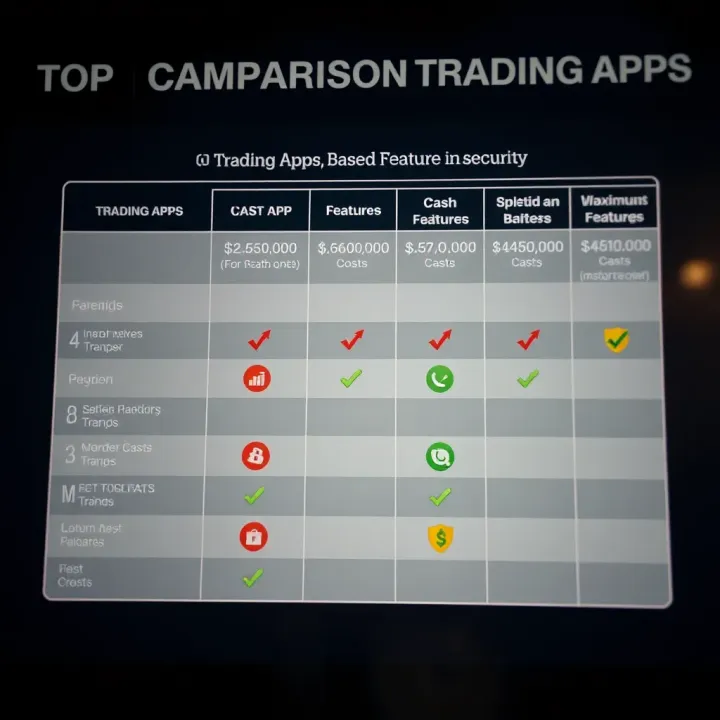
📱 Discover the top trading apps in Pakistan! Compare features, costs, security, and usability to find the best fit for new and experienced investors.

Discover top trading platforms for Pakistani investors 🇵🇰. Compare fees, security, usability, and regional features to pick the best fit for your needs 💹.
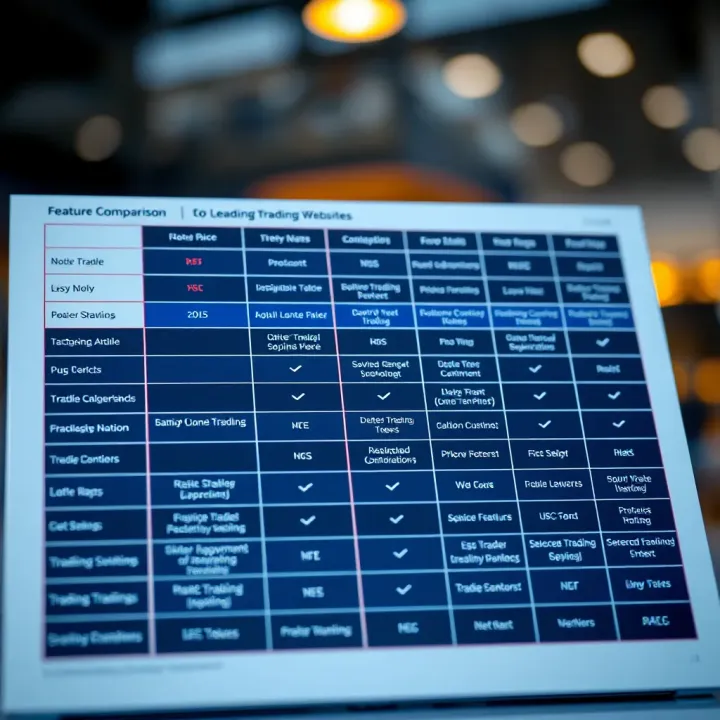
Discover top trading websites in Pakistan 🇵🇰 for investors & traders. Learn key features, regulations, & tips to trade confidently online 📈💼.
Based on 14 reviews