
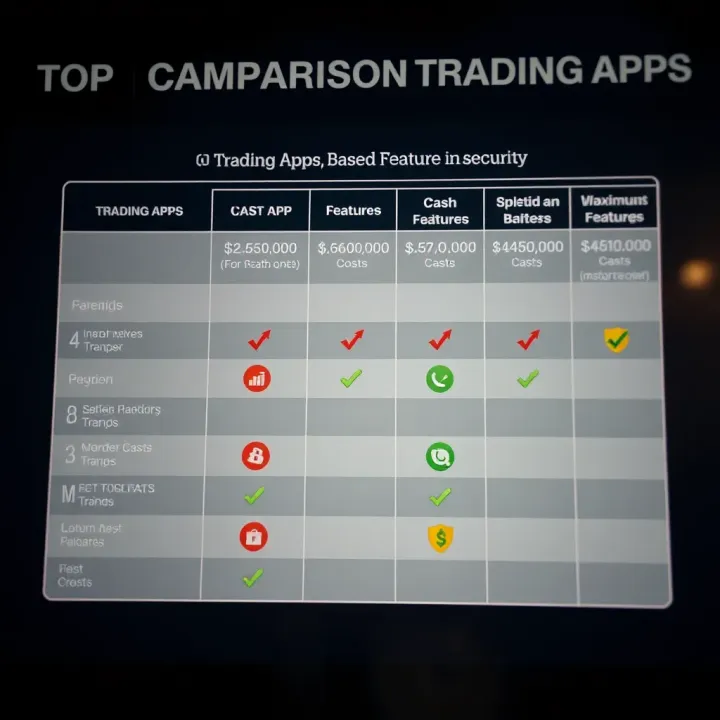
Top Trading Apps for Investors in Pakistan
📱 Discover the top trading apps in Pakistan! Compare features, costs, security, and usability to find the best fit for new and experienced investors.
Edited By
Amelia Ward
In recent years, trading apps have reshaped how people in Pakistan approach the financial markets. No longer do you need to line up at brokers' offices or rely on complex setups; a smartphone and a decent internet connection open a world of investment possibilities at your fingertips.
This guide dives into the nuts and bolts of trading apps available in Pakistan—what features they offer, their pros and cons, and how to pick one that fits your trading style and goals. Whether you're just starting out or have been trading for years, understanding these platforms can save you time, money, and hassle.
Trading apps are more than just a convenience; they bring financial markets closer to everyday investors like you and me. Still, it’s not just about downloading any app and hitting "buy". Selecting the right app involves a good grasp of security, usability, regulatory compliance, and trading tools.
Knowing what to look for can make a huge difference—because in markets, every second and every decision counts.
In the sections ahead, we'll unpack the essential elements of trading apps, share practical tips on how to evaluate them, and explore how you can make smart trades with confidence. Fasten your seatbelt; we're about to make trading easier to understand and more accessible for the Pakistani market.
Trading apps have become a staple for anyone wanting to dive into financial markets, especially in Pakistan where access to traditional brokers might be limited or costly. These apps let you buy and sell assets like stocks, currencies, or cryptocurrencies directly from your phone or computer. Think of trading apps as your portable trading desk; instead of waiting for a broker to execute an order, you do it yourself instantly, anytime and anywhere.
The basics are pretty straightforward: the app connects you to a market, displays real-time prices, and lets you place orders. For example, if you're watching the Pakistan Stock Exchange and spot a promising company, you can quickly buy shares through your trading app rather than calling your broker—saving time and often money.
In today’s fast-moving markets, speed and convenience matter a lot. Trading apps put both right in your pocket.
The core job of any trading app is to let users place buy or sell orders. This means you decide what asset to buy (say, a share in Engro Corporation) and at what price. Apps often provide various order types like market orders, limit orders, or stop-loss orders. These let you control the timing and price of your trades, which is key to managing risk.
For example, if you only want to buy a stock at PKR 100 or less, you place a limit order for that price. When the stock hits PKR 100, the order executes automatically. This flexibility makes trading apps more powerful than just making phone calls to brokers.
Keeping an eye on fluctuating prices in real time is a must-have feature. Most trading apps show live price updates and charts, so you can quickly spot trends or sudden moves. This is especially useful in volatile markets like Forex or cryptocurrencies where prices can shift fast.
For instance, apps like PSX's own "PSX Mobile" display real-time prices, letting traders react to market changes immediately. Without this, you’d be flying blind and possibly missing out on good trades or getting caught on bad ones.
A good trading app doesn't just show prices; it also delivers relevant financial news and market analysis. This information helps you make smarter decisions, based on what's happening economically or politically.
Many apps include news feeds, expert commentary, and analysis tools. Take apps like MetaTrader for Forex or Binance for crypto—they often integrate news alerts about government policies, international trade updates, or company earnings. Having all this in one place saves you from hunting across multiple sites.
These apps focus on helping you trade shares in companies listed on stock exchanges like the Pakistan Stock Exchange (PSX). They generally offer detailed market data, portfolio tracking, and various order options. Popular apps here include "PSX Mobile" and third-party platforms like "Zerodha" or "eToro," although the latter is international and may have different accessibility in Pakistan.
Stock trading apps cater to investors looking for straightforward access to stock markets with user-friendly tools. You can watch your favorite companies, place orders, and check your portfolio’s performance on the go.
Forex apps specialize in currency pairs trading—like USD/PKR or EUR/PKR—and offer tools like leverage, technical indicators, and live charts. Apps such as MetaTrader 4 or 5, offered by various brokers, are popular worldwide and accessible from Pakistan.
Forex trading requires fast execution and tight spreads, which these platforms provide. They suit active traders who want to speculate on exchange rates rather than hold positions long-term.
Crypto apps allow buying, selling, and storing digital currencies like Bitcoin, Ethereum, or local favorites through exchanges such as Binance or CoinEx. These apps often feature wallet integration, security options, and price alerts.
For instance, with Binance’s app, users in Pakistan can trade crypto assets and monitor markets even when they’re away from their desktops. Crypto trading is high-risk and volatile, so having instant access through an app helps serious traders stay on top.
Trading apps have changed the way many Pakistanis approach investing and trading by making markets more accessible and trading quicker and simpler. Knowing these features and types helps you choose one that fits your trading style and goals better.
Trading apps have fundamentally reshaped how people in Pakistan access financial markets. Their advantages aren't just about flashy tech; they make trading more accessible, smarter, and way more convenient for everyday users and professionals alike. In this section, we'll break down the practical benefits—from trading anytime, anywhere to saving money on fees—that truly make trading apps worth considering.
One of the biggest draws of trading apps is freedom – being able to manage investments without being tied to a desktop or office. Imagine you're at a Karachi café, sipping chai, and notice a sudden dip in a stock you’re watching. Instead of missing the opportunity, your phone’s trading app lets you buy shares in seconds. This flexibility suits today's fast-paced lifestyle; not everyone can be glued to market news on a computer all day.
The constant connectivity means you can jump into trades whenever and wherever, whether during a break at work or commuting on the metro. This real-time access can sometimes make a difference between bagging a profit or watching it slip through your fingers.
Another must-have feature is instant alerts for price changes, news updates, or order status. For example, let’s say you set an alert for a certain price target on Pakistan Stock Exchange (PSX) shares. The app buzzes your phone the moment that price is hit, so you’re never out of the loop. This means no more obsessively refreshing a website or screen.
These alerts empower traders to act quickly. The moment a sell-off starts or a buying opportunity arises, being alerted immediately allows you to respond faster than traditional brokerage calls or emails. It’s like having a personal market watch on your pocket, ensuring you don’t miss critical moves.
Trading apps usually charge less than old-school brokers. In Pakistan, traditional brokerage fees can be a sticking point for small investors, sometimes eating up a big chunk of profits. Apps like PSX's e-Trade platform or international options like eToro typically offer lower commissions or even zero-commission trades on select products.
This cost saving is not just pocket change; over time, reduced fees significantly improve your trading performance, especially for frequent traders or those dealing in smaller amounts. The absence of middlemen also means faster transactions and fewer hidden charges.
Some apps offer discounted trades or promotions to attract users. For instance, new traders signing up with apps like IG or Alpari might get free trades for the first month or reduced spreads on Forex trading. These discounts lower the entry barrier for beginners, making it easier to experiment and learn without bleeding money.
Having access to cheaper trades also means you can diversify your portfolio more effectively across stocks, forex, and cryptocurrencies without worrying as much about fees piling up.
A trading app with a clunky, confusing interface can scare off beginners faster than a wrong-click losing money. The best apps for Pakistani traders—like HBL Konnect or JS Global's app—focus on clean layouts, intuitive buttons, and clear icons. No need to hunt through dozens of menus just to place a basic buy or sell order.
Simple navigation means anyone, even with limited tech skills, can quickly get the hang of trading basics. This ease helps new traders focus on learning investment strategies instead of battling the app itself.
Using a trading app isn't just about pushing buttons. Many apps now include tutorials, how-to guides, and explainer videos to help users understand markets better. For example, apps like ThinkMarkets and Interactive Brokers provide integrated webinars and step-by-step guides tailored to local market conditions.
These resources are golden for Pakistani investors who might not have easy access to formal trading classes. They promote smarter trading by helping users avoid common mistakes, grasp technical analysis tools, and build confidence.
Tip: Even if you've gone through tutorials before, keep revisiting educational content as markets evolve—they’re great for sharpening your skills without spending an extra dime.
Overall, the benefits of using trading apps in Pakistan extend far beyond just convenience; they include cost savings, educational support, and a user-friendly trading environment that suits both novices and pros. Knowing these advantages helps you make a more informed choice about which app fits your trading style and goals.
Trading apps bring the stock market right to your pocket, but it's not all smooth sailing. Before diving in, traders in Pakistan need to weigh the risks that come bundled with these digital platforms. Understanding these potential pitfalls helps avoid costly mistakes and makes the trading experience safer and more productive.
Nothing spikes frustration faster than trying to execute a trade only to find the app frozen or unresponsive. Technical glitches can delay or even drop orders altogether, leading to missed opportunities or unintended losses. For example, during volatile hours when every second counts, a delay of a few moments can mean buying at a higher price or selling too late.
Such hiccups aren’t just annoying—they can seriously hurt your profit margins. It’s especially troubling when market conditions shift quickly, yet your app fails to keep up. Reliable trade execution speed and stability should be top priorities when choosing an app.
Downtime is sometimes unavoidable, but you can minimize the fallout. First, always keep your trading strategy ready in advance, so you're not scrambling when your app crashes. Secondly, use backup methods like calling your broker or having a secondary platform installed.
Regularly syncing your device and refreshing the app before trading hours can lower glitch risks. Lastly, keeping an eye on app service status updates or user forums may alert you if others face similar issues, helping you plan accordingly.
Trading apps require access to sensitive info like bank details and ID copies, making data security a serious concern. Pakistani users should pick platforms that encrypt data end-to-end and support two-factor authentication. Avoid public Wi-Fi when trading to reduce hacking chances.
Regularly updating your password and monitoring account activity for unauthorized transactions are simple but effective security habits. Remember, trading apps aren't just tools for investing; they handle your personal life too.
The market has its share of scam apps disguised as legit trading platforms. These often promise unrealistic returns or rush to get your personal details without clear licensing proof. In Pakistan, always verify if the app is authorized by the SECP or other regulatory bodies.
Red flags include apps with poor user reviews, strange fee structures, and lack of direct customer support. Avoid these by doing thorough research, relying on trusted app stores like Google Play or Apple Store, and consulting fellow traders or financial experts for recommendations.
The flip side of convenience is temptation. With trading apps at fingertips 24/7, many fall into the trap of overtrading—making too many trades based on impulse rather than strategy. This often leads to losses since decisions made in moments of emotion rarely pay off.
Few things can drain your account balance faster than chasing quick gains without proper analysis. It’s like the old saying goes: "Greed is blind." Easy market access amplifies this risk by making it all too simple to jump into the action without thinking.
Keeping your cool is key. Setting daily or weekly trading limits helps prevent rash moves. Use alerts to notify you of only significant price changes or news, instead of constantly checking the app.
Develop a written trading plan that outlines entry and exit points and stick to it no matter what. Sometimes it’s wise to take breaks when emotions run high. Many successful traders recommend treating the app as a tool, not a game, to maintain a healthy trading mindset.
Being aware of these risks doesn’t mean avoiding trading apps; it means using them smartly and securely to maximize their potential while dodging common traps.
Trading apps in Pakistan operate within a framework designed to protect investors and ensure market integrity. Regulations play a vital role in setting the rules of the game, preventing fraud, and making sure apps perform reliably and transparently. For traders and investors, knowing the regulatory landscape helps avoid risky platforms and builds confidence when choosing an app.
The regulatory environment also affects how trading apps integrate with banks, handle user data, and respond to issues like market manipulation. This insight guides users toward compliant platforms that align with Pakistani legal standards and promote safer trading experiences.
The SECP is the chief regulator overseeing the operations of trading apps in Pakistan. It ensures these platforms meet specific criteria before they can legally function.
Trading apps must obtain a license from SECP, proving they comply with rules about transparency, capital adequacy, and user protection. This licensing requires the app provider to demonstrate secure technology, reliable order execution, and proper record-keeping. A licensed app, like the well-known PSX-connected Taurus Securities, has undergone scrutiny ensuring it doesn’t operate as a fly-by-night service.
For Pakistani traders, choosing a licensed app reduces the risk of scams or hidden malpractices because these apps have to meet ongoing compliance checks.
SECP mandates investor protection rules that trading apps must follow. These include safeguards such as segregating client funds from the company's capital, clear communication of fees, and fair dispute resolution methods. For example, apps need to notify users about risks involved in trading volatile assets.
These protections help keep user investments safe and hold the platform accountable when problems arise. For instance, if an app fails to execute trades correctly or misappropriates funds, investors have legal avenues for complaint and resolution under SECP’s framework.
To prevent the misuse of trading apps for illegal activities like money laundering, strict AML regulations are enforced.
Know Your Customer (KYC) is a critical step for trading apps in Pakistan. Apps must verify the identities of their users before allowing them to trade. This often involves submitting CNIC scans, proof of address, and sometimes additional financial background info.
KYC not only helps comply with law but also protects users by reducing fraud risk. It discourages anonymous or suspicious accounts. Most apps like PSX’s TradeTech or international names such as Interactive Brokers, follow these KYC protocols strictly.
Trading apps are obligated to monitor and report suspicious transaction patterns to authorities. This includes unusually large trades or those involving blacklisted individuals. By reporting, SECP and other watchdogs can investigate and stop potential money laundering or terrorist financing activities.
This system isn’t just a formality; it actively protects the market’s integrity and ensures that the funds flowing through these apps are legitimate.
Understanding these regulatory rules helps traders pick apps that respect legal obligations and keeps the Pakistani trading ecosystem cleaner and safer for everyone.
Choosing the right trading app is more than just picking the one with the flashiest interface or the biggest user base. For traders in Pakistan, this decision affects how effectively and safely they can enter the financial markets. A solid choice can streamline your trades, cut down costs, and provide useful tools—all crucial when market timing matters.
Not every trading app offers the same depth when it comes to charting and technical analysis. If you’re serious about understanding market movements, look for apps that provide a variety of chart types (candlestick, line, bar) and technical indicators like moving averages, RSI, or MACD. For example, apps like MetaTrader 4 and ThinkorSwim offer extensive charting tools favored by seasoned traders.
These features help you interpret market trends and potential price movements. Without them, making decisions is like driving blindfolded. Seek apps that allow customization of charts and real-time data updates because outdated information can lead to costly errors.
An app's ability to handle different order types—market, limit, stop-loss—is critical. This flexibility lets you tailor trades to your risk tolerance and strategy. Also, the execution speed can make or break your profit, especially in fast-moving markets like forex or cryptocurrencies.
For instance, if an app delays order execution, you might end up buying at a higher price or selling lower than planned. Apps such as Interactive Brokers provide lightning-fast executions, which can be a real lifesaver for day traders or scalpers.
Fees eat into profits, sometimes more than you realize. Brokers and apps vary widely—some charge a flat fee per trade, others take a percentage, and some offer zero commission but include expenses elsewhere. For example, local Pakistani platforms like MTrade might charge lower broker fees but have a higher spread.
Check if the app has tiered pricing or discounts for high volume traders. Understanding these details helps avoid surprises. It’s worthwhile to calculate a few typical trades’ costs on prospective apps before committing.
Cheaper isn’t always better if hidden fees lurk under the surface. Watch out for inactivity fees, withdrawal charges, data fees, or costs for additional features like real-time market news.
Take a minute to skim the app’s fine print or terms of service. An app might waive commission but compensate with hefty withdrawal charges or data subscription fees. For newcomers, such fees can quickly burn a hole in your pocket.
User reviews reveal real-life experiences but can be mixed with fake praise or unnecessary negativity. To get a clearer picture, rely on known financial forums and consumer protection sites popular in Pakistan, like PakInvestor or local Reddit threads dedicated to investing.
These sources often highlight issues like frequent crashes or poor customer service that official marketing won’t mention. Look for patterns in user comments instead of one-off complaints.
Besides casual users, expert opinions add a layer of trustworthiness. Financial bloggers, YouTube channels like "Investing with Usman" or broker reviews from sites like Investing.com are reliable starting points.
Think of these experts as guides who’ve tested multiple trading apps and can narrow down choices based on features, cost-efficiency, and security for Pakistani traders.
Even the best app hits snags sometimes. How quickly support responds—especially during critical market hours—can save your investment.
Try reaching out to the customer service before signing up. Apps with 24/7 chat support or prompt email replies, like IG Markets, tend to keep users calm during unexpected downtime.
Multiple support channels—phone, chat, email—offer flexibility. Some traders prefer talking to a real person, while others are fine with quick chatbots.
In Pakistan, where internet stability can be patchy, having a reliable phone helpline can be invaluable. Understand what options your preferred app provides.
Selecting the right trading app is a balance of smart research and hands-on testing. Think about your trading style, costs, required tools, and support before diving in to avoid headaches and costly mistakes down the road.
Using trading apps in Pakistan offers exceptional convenience and market access, but it also demands a vigilant approach to security and discipline. Ensuring the safety of your trading account protects your investments from cyber threats, while effective use of the app can improve trading outcomes by helping you stick to sound strategies without falling into common traps. With cyberattacks becoming increasingly common, and the ease of making impulsive decisions with just a tap, neglecting safety and planning can lead to costly mistakes that no trader wants.
Trading smart isn't just about picking the right stocks or currencies; it’s equally about managing risks and guarding your digital identity — especially when trading from smartphones or tablets where you’re connected around the clock.
Account security forms the foundation of safe trading. A weak password is like leaving your front door unlocked. To prevent unauthorized access, use strong, unique passwords that combine upper and lower case letters, numbers, and special characters. Avoid simple sequences like "123456" or "password" that hackers guess in seconds.
Two-factor authentication (2FA) adds a critical layer by requiring a second form of verification, such as a code from an authenticator app or a text message. This means even if someone cracks your password, they still face an extra checkpoint. Many Pakistani trading apps like PSX App or international platforms like Interactive Brokers offer 2FA — always switch it on.
Pro tip: Don't reuse passwords across platforms. Utilize password managers like LastPass to safely generate and store complex passwords without the hassle.
Keeping your trading app and device updated isn't a chore; it’s a security tactic. Developers frequently release updates to patch vulnerabilities hackers might exploit. Without these updates, your app might become an open door for malware or thieves.
Besides security improvements, updates often fix bugs that could stall orders or distort price feeds — issues that can cost you money in fast markets. For example, a delayed app update could cause your sell order for a volatile stock to execute late, missing the right price.
Check your phone's app store regularly or turn on automatic updates for your trading apps and operating systems. This small effort reduces risks and ensures smoother trading sessions.
Trading apps make buying and selling effortless, but this ease can lead to emotional decisions, like chasing quick profits or panic selling. A well-defined trading plan acts as your roadmap, laying out clear entry and exit points, stop-loss limits, and daily risk tolerance.
By setting specific rules before you trade, you reduce the temptation of acting on impulse. For example, if your plan caps daily losses at 3%, you’re more likely to stop trading rather than digging a deeper hole on a bad day.
Risk management is especially critical in volatile markets like cryptocurrency, where prices can swing wildly within minutes. Traders who stray from their plan often suffer heavy losses.
In short, trading successfully isn’t just about knowledge of stocks or currencies; it’s about discipline. Apps that offer customizable alerts and limit orders can help traders maintain their strategy by automating decisions and reducing emotional interference.
By combining strong security habits with disciplined trading methods, traders in Pakistan can fully benefit from trading apps without falling prey to common pitfalls. Protect your accounts, stay updated, and trade with a clear plan — that’s how you use trading apps wisely and safely.
Trading apps have become a favorite tool for Pakistani traders, letting them hop into the market from just about anywhere. Choosing the right app is more than just picking something popular – it’s about finding a platform that fits the local market environment and meets your trading needs. In Pakistan, these apps bridge the gap between you and Pakistan Stock Exchange (PSX) as well as international markets, and even the world of cryptocurrencies.
When we talk about apps for Pakistani traders, the ones supporting the Pakistan Stock Exchange are key. These platforms, like "MProfit" and "PSX’s own official app," offer direct access to local stocks and are designed to handle the complexities of the PSX trading system. One big advantage is that these apps operate under SECP supervision, so you’re dealing with regulated services. They allow you to place buy and sell orders directly, check real-time stock prices, and view your portfolio performance with local currency support—Pakistani Rupees (PKR).
For instance, "MTrade" is popular among local traders because it offers live order book data along with news tailored for PSX stocks. This type of integration makes it easier to react swiftly to market moves.
Trading apps that cater specifically to Pakistani users often include features like detailed tax calculation for capital gains tax, integration with Pakistani banks for easier fund transfers, and Urdu language support. This makes the entire trading process smoother, especially for beginners who might find international apps a bit overwhelming.
Some apps provide in-depth analytics focusing on sectors significant to Pakistan's economy, such as textile, banking, and energy. These tools help local traders make informed decisions without having to dig too much. Additionally, apps that support local brokerage houses often offer special promotions or lower commissions which is a practical perk.
Apart from local stocks, many Pakistani traders want their slice of global markets. Apps like Interactive Brokers and eToro have started catering to users in Pakistan, offering access to foreign stock exchanges including the NYSE, NASDAQ, and LSE. This lets traders diversify beyond Pakistan and invest in well-known companies like Apple or Tesla.
These international apps provide features such as multi-currency accounts and access to global ETFs, which are attractive for investors who want to explore international exposure. For example, eToro’s social trading platform allows beginners to learn by following experienced traders globally.
While international apps open new doors, currency conversion and compliance with local regulations should not be overlooked. Trading often involves converting PKR to USD or other currencies, which can add to costs due to forex charges or unfavorable exchange rates.
Moreover, not all international apps comply fully with Pakistani financial regulations. It's essential to make sure that your chosen platform has proper licensing or at least adheres to global standards that protect your investments and personal data. SECP’s list of approved international brokers can be a helpful reference here.
Cryptocurrency trading has picked up pace in Pakistan, and with it, certain apps like Binance, Coinbase, and Kraken have come into the spotlight. These apps support a broad range of cryptocurrencies, from Bitcoin and Ethereum to lesser-known altcoins.
For Pakistani users, Binance stands out due to its lower trading fees and user-friendly mobile app, plus support for PKR deposits through local banking partnerships. Kraken, on the other hand, is known for its advanced security features and robust trading tools, catering to more experienced traders.
Security is a big deal with crypto apps. Unlike traditional stocks, crypto trading platforms can face regulatory grey areas, especially in markets like Pakistan where specific laws are still evolving.
Top apps like Coinbase emphasize strict compliance measures and insurance policies for digital assets, offering a layer of safety. Meanwhile, Binance frequently updates its security protocols, including two-factor authentication and withdrawal whitelist options.
Always verify if the crypto app you choose is compliant with international crypto regulations and offers strong security controls to protect your crypto investments from theft and fraud.
Popular trading apps accessible in Pakistan come with tailored features and services that suit both local and international traders. Whether tapping into PSX stocks, looking overseas, or jumping into cryptocurrencies, choosing the right app comes down to understanding your priorities and the kind of markets you want to access. Keeping security and regulatory compliance top of mind will ensure a smoother trading experience and better control over your investments.
Trading apps make accessing the financial markets easier than ever before, but with that ease comes a set of pitfalls that can trip up even experienced traders. Understanding common mistakes helps you avoid unnecessary losses and frustration. In Pakistan, where mobile trading is rapidly growing, staying alert is key. Let's break down the most frequent errors and how to steer clear of them.
One mistake many traders make is skipping app updates or overlooking security warnings. Updates often patch vulnerabilities and improve performance. Imagine trading during a critical market movement, but your app crashes because you haven't updated it in months. Worse, outdated apps can leave your personal and financial information exposed to hackers.
For example, a Pakistani trader reported losing access to their account because their app lacked the latest two-factor authentication feature, which was introduced in a recent update. Ignoring such security alerts means you're gambling with your assets.
Practical tip: Always enable automatic updates on your trading app and pay attention to any security notifications. It’s like locking your door before you leave the house—simple but essential.
The desire to make fast money can be tempting, especially when you hear stories of overnight gains. However, jumping into trades without proper research is a sure-fire way to lose. Trading apps provide easy access to markets, but they don’t replace the need for knowledge.
Take, for instance, someone trading penny stocks on the Pakistan Stock Exchange without understanding the company's fundamentals or market conditions. It’s like betting on a horse without checking its form. Such impulsive actions often end up costing more than they earn.
Remember, fast profits rarely come without risk. Patience and solid research pay off better in the long run.
One of the most dangerous mistakes is relying on unofficial or unregulated trading apps. These applications may promise lower fees or faster trades, but they often carry hidden risks. In Pakistan's trading environment, where the SECP regulates financial activities, choosing apps that are not compliant can expose you to scams or financial loss.
For example, a few unregulated apps surfaced offering cryptocurrency trading but were later found shutting down after collecting user funds. Users scrambled to retrieve their money, often without success.
Always verify: Confirm the app's legitimacy by checking if it’s licensed by Pakistan's Securities and Exchange Commission or recognized international bodies. When in doubt, consult with trusted financial advisors or community feedback.
Avoiding these common mistakes will enhance your trading experience and protect your investments. Stay informed, cautious, and intentional with your trading app choices.
Trading apps are becoming more than just tools for buying and selling assets—they're shaping the future of investing in Pakistan. As technology advances, these apps bring new features and services that cater to a growing community of traders and investors. Understanding future trends helps users stay ahead and make the most of evolving platforms.
In Pakistan, the rapid spread of smartphones and internet access means more people can join financial markets from their living rooms or cafes. This connectivity fuels demand for smarter, faster, and safer trading apps. For example, the introduction of AI-driven features can help analyze market patterns better, while mobile payment expansions simplify fund management—two developments that cater well to Pakistan’s unique market conditions.
When traders grasp these shifts, they can better choose apps that fit their needs and adapt their strategies accordingly. For anyone serious about trading, paying attention to upcoming trends is not just a nice-to-have but essential.
Algorithmic trading is no longer exclusive to big firms. Through AI and automation, retail traders in Pakistan can access tools that help spot trading opportunities, execute orders faster, and reduce human error. Apps that offer algorithmic trading can analyze huge sets of data in seconds—something no trader can do manually with the same speed or accuracy.
Smart tools like predictive analytics and pattern recognition allow users to make informed decisions even if they don’t have a background in technical analysis. For instance, apps like MetaTrader 5 or Interactive Brokers include automated trading features where users can set rules that execute trades automatically based on specific market criteria.
This tech-driven approach helps reduce emotional decision-making, often the downfall of many traders, by sticking to predefined strategies. However, it’s crucial to understand how these algorithms work before relying on them fully, as markets can sometimes behave unpredictably.
Moving money quickly and safely is essential for active trading. The expansion of mobile payment options in Pakistan is a game changer for trading apps, making deposits and withdrawals faster and more convenient.
Platforms now support a range of payment methods including JazzCash, Easypaisa, and bank mobile apps. This variety makes it easier for traders to fund their accounts without lengthy bank visits or international transfer hassles.
A seamless payment process encourages more frequent trades since users don’t get stuck waiting for funds to clear. For example, when a trader sells shares and wants to reinvest immediately, having instant transfer options prevents missing valuable market moves.
This ease also reduces the risk of transaction errors and fraud, provided users stick to verified apps and comply with security best practices.
Pakistan's financial markets are seeing increased participation from fresh investors, thanks largely to educational initiatives and improved market access via trading apps. Many platforms now offer tutorials, webinars, and demo accounts that help beginners understand basics without risking real money upfront.
Government and private sector efforts to improve financial literacy play a big role here. For example, the Pakistan Stock Exchange (PSX) collaborates with brokers to introduce young investors to market fundamentals through online sessions.
Further, mobile apps make it easier to access domestic and international markets, broadening investment horizons for newcomers. With straightforward user interfaces and educational resources, these apps lower the entry barrier significantly.
Before jumping in, new traders should spend time learning through demo trading and reputable educational content to avoid common pitfalls.
As more Pakistanis embrace these tools and knowledge, the collective market activity and sophistication is likely to grow, creating a more vibrant trading environment.
Keeping an eye on AI integration, payment options, and rising trader numbers can help anyone interested in Pakistan’s trading apps to position themselves strategically. These trends aren’t just industry buzzwords—they’re practical changes that affect how smoothly and successfully you engage with financial markets here.
📱 Discover the top trading apps in Pakistan! Compare features, costs, security, and usability to find the best fit for new and experienced investors.
Looking for the best trading app in Pakistan? 📱 Discover key features, ensure safety 🔒, and get local market insights to trade confidently in 2024.
Discover the best trading apps in Pakistan 📱! Compare features, ease of use, regulations, and support to pick the right platform for you. Start trading smart!
📈 New to trading in Pakistan? Discover how to pick the best trading app with key features, top choices, and secure tips to get started confidently.
Based on 10 reviews