
Free Trading Courses in Pakistan: A Beginner's Guide
📈 Explore top free trading courses in Pakistan for beginners & intermediates. Learn where to find them, key topics covered & smart tips to pick the best fit.
Edited By
James Thornton
Forex trading has steadily gained traction among Pakistanis looking to diversify income sources beyond conventional avenues. Despite its appealing potential, embarking on forex trading without proper education can lead you into costly mistakes. This is where forex trading courses in Pakistan become essential—they equip you with the fundamentals and practical skills needed to navigate the currency markets.
Understanding forex courses begins with realising that these programmes are tailored to help you grasp how currency pairs move, the impact of global economic events, and the mechanics of placing trades. Unlike foreign platforms that might offer generic content, local courses often factor in Pakistan’s unique regulatory environment and payment options, which is crucial.
Most courses cover the following key areas:
Market basics: Understanding what forex trading entails, including terminology like pips, lots, and leverage.
Technical analysis: Reading charts, identifying trends, and using indicators like Moving Averages or RSI.
Fundamental analysis: Assessing economic data releases, interest rate decisions, and geopolitical developments.
Risk management: Calculating position sizes and setting stop losses to protect your capital.
Trading psychology: Recognising emotions such as fear or greed that can affect decision-making.
For Pakistani traders, it’s vital to check whether a course provides knowledge about compliance with agencies like the Securities and Exchange Commission of Pakistan (SECP) and how to trade through authorised brokers. Plus, familiarity with payment methods like bank transfers or JazzCash ensures you handle deposits and withdrawals securely.
When testing courses, opt for those that offer demo accounts or simulated trading environments that let you practice without risking real money.
Whether you aim to trade part-time or build a professional portfolio, a well-structured forex trading course offers practical steps to start confidently, reduces risks, and clarifies common misconceptions about the foreign exchange market in Pakistan. Choosing the right course demands careful consideration based on your experience level, budget, and learning style.
This article will guide you through these factors, helping you pick the most suitable forex training so you can trade smarter and safer in Pakistan’s financial ecosystem.
Understanding forex trading is the first step for any Pakistani trader aiming to tap into this global market. It provides the foundation to grasp how currency values move, why markets react to economic events, and how traders can plan their strategies accordingly. This grasp is especially vital when choosing the right courses, as it ensures you pick one that matches your knowledge level and trading goals.
Forex trading, also known as foreign exchange trading, involves buying and selling currencies against one another. Traders aim to profit from changes in exchange rates between currency pairs like USD/PKR (US Dollar/Pakistani Rupee) or EUR/USD (Euro/US Dollar). For example, if a trader believes the US dollar will strengthen against the rupee, they may buy USD/PKR to sell later at a higher rate and earn a profit. This market operates globally and constantly adapts to economic and geopolitical changes.
Currency pairs work as two currencies quoted against each other, with a base currency and a quote currency. The price reflects how much of the quote currency is needed to buy one unit of the base currency. For instance, if GBP/USD is quoted at 1.30, it means 1 British Pound buys 1.30 US Dollars. This system creates a dynamic trading environment where the value of currencies shifts based on supply and demand, economic announcements, and market sentiment.
Market participants in forex include banks, financial institutions, governments, corporations, and retail traders. Pakistani traders are part of this global network, though they often start as retail traders. Large institutions influence market movements with high volumes, but retail traders can use shorter timeframes and leverage to participate with smaller capital. Understanding these participants helps in recognising market trends and identifying opportunities.
Accessibility and the 24-hour nature of forex trading appeal to many in Pakistan. Unlike the stock exchange, which has fixed hours, the forex market runs round the clock Monday to Friday. A trader in Karachi or Lahore can trade during their preferred hours, including after regular working hours or even during loadshedding periods, without missing market action.
Another key reason is the potential for profit with limited capital. Many Pakistani traders start with modest amounts, as forex brokers offer leverage that multiplies trading exposure. Although this increases risk, careful risk management can make forex trading a viable avenue for gradually building wealth. This is attractive given the lack of other accessible investment options with similar flexibility.
Fluctuations in the Pakistani Rupee (PKR) further spur interest. The PKR's value is influenced by factors like trade deficits, remittances, and government policies, creating opportunities for traders to capitalise on its volatility. For example, during times of economic uncertainty when PKR weakens against the dollar, informed traders may benefit from these movements by choosing the right currency pairs.
Forex trading combines global market access, flexibility, and opportunities tied closely to Pakistan’s economic conditions, making it a compelling choice for many in the country.
By understanding these basics and why forex trading resonates with Pakistani traders, you can make better decisions when selecting a course or developing your trading plan.
A forex trading course offers a structured path to understanding one of the most dynamic financial markets. For Pakistani traders, knowing what to expect from such a course ensures the investment of time and money translates into practical knowledge and skills. These courses break down complex concepts into manageable topics, helping traders build confidence and avoid costly mistakes.
Every successful trader starts with strong fundamentals. Forex courses begin by explaining how the forex market operates, introducing key terms like pips, lots, leverage, and margin. Understanding currency pairs—how two currencies trade against each other—is essential since all trades involve pairs such as USD/PKR or EUR/USD. This clarity helps avoid confusion when placing trades or reading market updates. Your broker’s platform will seem much less intimidating once these basics are clear.
Learning to analyse the market is key. Technical analysis deals with price charts, patterns, and indicators like moving averages or RSI, which help predict possible market moves. For instance, recognising a head and shoulders pattern on a PKR/USD chart can guide entry or exit decisions. On the other hand, fundamental analysis focuses on economic news and data. This means understanding how Pakistan’s inflation rates, SBP policy announcements, or geopolitical tensions impact currency values. Both approaches combined give traders a fuller picture.
Just knowing the markets is not enough—courses teach how to develop a trading plan tailored to different risk appetites. This includes deciding when to enter or exit trades, setting stop-loss and take-profit levels to limit losses and lock gains, and managing leverage wisely. For example, using a 1:10 leverage instead of 1:100 reduces risk exposure. Moreover, emotional discipline is covered, since fear and greed can wreck even the best strategies if unchecked.

Today, many Pakistani traders prefer online courses for convenience. Platforms offer video lessons, live webinars, and interactive forums accessible anytime from Karachi, Lahore, or Peshawar. This flexibility suits working professionals or students. However, some find classroom settings helpful to ask questions in real time and benefit from hands-on practice alongside peers. Institutes in major cities offer these face-to-face options, often with the latest market insights tailored to local trends.
Forex courses vary from short weekend workshops to several weeks of daily classes. Generally, expect a commitment of 4 to 8 weeks for a comprehensive introduction. Some self-paced online courses allow learners to progress at their own speed, which suits those balancing other responsibilities. Regardless of format, consistency matters—traders who practise and revise regularly are more likely to internalise concepts and trade confidently.
While certification is not mandatory for forex trading, many Pakistani traders prefer courses that offer certificates recognised by financial education bodies. Such certificates can build credibility, especially if you plan to work with brokers or financial firms. Some courses collaborate with international forex education providers or hold accreditation by local financial institutes. However, the real value lies in skills gained, so focus on course content quality rather than just the certificate.
Pursuing a well-structured forex trading course equips you with practical skills and market understanding that raw online tutorials often miss. Whether you choose online flexibility or classroom interaction, the goal is to trade with knowledge, discipline, and awareness of Pakistan’s unique market influences.
This clarity on forex courses helps Pakistani traders make informed choices and lays the foundation for smarter trading decisions.
Selecting a suitable forex trading course is vital for any Pakistani trader aiming to build a strong foundation and achieve consistent results. With numerous options available, distinguishing the right course can save time, money, and frustration. The goal is to pick a course that not only teaches technical skills but also aligns with local market nuances and trading realities.
The quality of instruction greatly shapes your learning experience. Courses led by instructors with proven trading experience and a credible background in forex markets tend to provide practical insights beyond textbook theory. For example, a Pakistani trader would benefit from a mentor familiar with PKR currency dynamics and regional economic factors. Verify if the instructor has verifiable trading history or reputation within the trading community, avoiding courses led by mere enthusiasts without practical exposure.
Ensure the course curriculum covers core areas like technical analysis, fundamental analysis, risk management, and trading psychology with examples applicable to the Pakistani market. A course that showcases how to read economic indicators relevant to Pakistan or explains how local political events impact forex pairs will be more valuable than generic content. Also, check for regular updates to the material to keep pace with evolving market conditions.
Strong learner support makes a substantial difference. Courses that offer live Q&A sessions, discussion forums, or peer groups help clarify doubts and keep traders motivated. Community engagement allows students to share ideas, spot trends, and learn from collective experiences, which is especially helpful in Pakistan where market conditions often change rapidly due to geopolitical or economic factors.
Check what seasoned traders or financial analysts say about the course provider. Word-of-mouth, participation in local trading groups, or mentions on credible forums can indicate trustworthiness. Providers known for delivering practical, no-nonsense training tend to attract more serious students. For instance, courses endorsed by recognised Pakistani trading educators or financial analysts add credibility.
Look for honest reviews from past students and instances where alumni have succeeded in live trading or set up profitable strategies. Genuine success stories reflect course effectiveness. Beware of overly positive feedback lacking depth, as these can sometimes be promotional. A straightforward review that discusses both strong points and limitations is more trustworthy.
While price should not be the only deciding factor, consider whether the course offers clear value for the fee charged. An expensive course without practical content or mentor access may not justify the cost. Conversely, the cheapest option might lack quality or up-to-date material. Evaluate if the course provides extras like follow-up sessions, lifetime access, or trading tools that can support your development beyond the classroom.
Choosing the right forex trading course involves balancing expertise, content quality, and support to fit your goals and the Pakistani trading landscape. Careful evaluation upfront leads to better learning and trading outcomes.
Forex courses in Pakistan equip traders with a set of essential skills and tools that form the backbone of successful trading. These skills include technical and fundamental analysis, risk management, and the use of relevant trading platforms. Without mastering these, traders risk losing money quickly in the volatile forex markets.
Chart patterns and indicators play a vital role in technical analysis. Traders learn to recognise formations like head and shoulders, double tops, and flags, which help predict market movement. For instance, spotting a double bottom pattern in the USD/PKR chart might hint at an upcoming price reversal, signalling a potential buy opportunity. Indicators such as Moving Averages, Relative Strength Index (RSI), and Bollinger Bands provide further insight by smoothing price trends or showing overbought and oversold conditions.
Use of trading platforms compatible with Pakistani brokers ensures traders can execute orders efficiently and manage their trades properly. Courses teach how to use popular platforms like MetaTrader 4 and 5, which Pakistani PTA-approved brokers widely support. These platforms offer real-time price charts, a wide range of technical indicators, and automated trading features. Knowing how to navigate these tools allows traders to respond quickly to market changes, place stop-loss and take-profit orders, and manage their accounts effectively.
Global economic news impact affects currency values and therefore Forex trading decisions. News such as US Federal Reserve interest rate announcements, European Union economic data, or geopolitical tensions can cause sharp movements in currency pairs involving PKR. Courses explain how to interpret such news and anticipate its effects on market sentiment.
Pakistan’s economic indicators affecting PKR pairs include inflation rates, trade balance figures, and policy decisions by the State Bank of Pakistan (SBP). For example, a sudden rise in Pakistan’s inflation may weaken the PKR, influencing USD/PKR and other pairs. Understanding these local data points helps traders make informed decisions rather than relying solely on technical analysis.
Setting stop-loss and take-profit orders is critical to control potential losses and lock in gains. Through courses, traders learn to determine appropriate levels based on market volatility and personal risk tolerance. For example, placing a stop-loss 50 pips below the entry price in a USD/PKR trade prevents excessive losses should the market move unfavourably.
Managing emotional biases is another key skill. Traders often face fear or greed that disrupt rational decision-making. Courses cover techniques like keeping a trading journal and following preset plans to reduce impulsive trades.
Discipline in trading separates consistent traders from those who burn through capital quickly. Successful traders stick to their strategies and avoid chasing losses. Forex courses stress the importance of patience and sticking to rules, highlighting that discipline protects your investment over time.
Mastering these skills not only improves trading success but also builds confidence to navigate Pakistan’s dynamic forex market safely.
Completing a forex trading course is only the first step towards becoming a proficient trader. The next critical phase is applying what you've learned in the real market. This transition demands careful planning and practical steps to ensure you trade safely and smartly. Specifically, opening the right trading account, practising with demo accounts, and following sound tips for beginners will set a solid foundation.
Choosing a PTA-approved forex broker is essential for legal and secure trading in Pakistan. The Pakistan Telecommunication Authority (PTA) regulates internet and telecom services, but in forex, compliance with local laws and broker licensing offers protection against scams. Many Pakistani traders prefer brokers recognised by the Securities and Exchange Commission of Pakistan (SECP) or those partnered with local banks. For example, firms like Forex.com and XM have specific provisions for Pakistani customers compliant with PTA guidelines.
Trading accounts vary, typically offering options like standard, mini, and micro accounts. For most newcomers, micro accounts requiring a low minimum deposit—sometimes as little as $50—are practical. This allows you to start trading with limited risk while getting comfortable with real market conditions. Account types also determine leverage, spreads, and allowed instruments, so choose one that matches your strategy and risk tolerance to avoid surprises.
Demo accounts mimic the live market environment without risking real money. This practice is crucial because it helps you understand platform operations, chart reading, and order placement while testing different strategies. Many beginner Pakistani traders skip this phase and jump into live trading, which often leads to early losses and discouragement.
Most brokers approved for Pakistani clients, such as OctaFX or HotForex, provide free demo accounts. These accounts use virtual funds and replicate live market data, letting you refine your skills and build confidence. For instance, setting stop-loss orders or trying out trailing stops are safer to learn on demo before risking your capital.
Starting small is wise. Investing a tiny portion of your savings prevents severe loss and gives time to adapt. Pakistani traders are often tempted to invest large sums quickly, especially if influenced by stories of quick riches. However, disciplined, small-scale trading is more sustainable.
Stay updated with market news affecting the PKR (Pakistani Rupee) and global currencies. Economic indicators like SBP policy decisions, international oil prices, and geopolitical events impact exchange rates. Following trusted financial news sources or platforms tailored to Pakistan’s economy helps you anticipate market moves.
Avoid common pitfalls such as overtrading, chasing losses, or ignoring risk management rules taught in your course. Emotional trading remains the biggest challenge; a new trader in Lahore, for example, might close trades prematurely out of fear, missing out on potential gains. Maintaining discipline and patience is essential for longer-term success.
Start trading thoughtfully by picking legitimate brokers, practising thoroughly, and keeping emotions in check. These steps help reduce risks and grow your trading skills steadily.
Understanding the risks and regulatory environment is vital for anyone looking to trade forex in Pakistan. Knowing what dangers to expect and how local rules shape trading ensures you can protect your capital and operate within the law. Many Pakistani traders overlook these factors, only to face serious setbacks or legal troubles later.
Market volatility and leverage risks are prominent challenges in forex trading. The currency market often swings suddenly due to geopolitical news, economic announcements, or unexpected events. For instance, political uncertainty in Pakistan can cause the PKR to fluctuate sharply against the USD. Leverage allows traders to control large positions with a small deposit but magnifies losses as much as gains. A trader might put in Rs 10,000 but control Rs 1,00,000 worth of currency — this means a small adverse move can wipe out the initial capital quickly. Pakistani traders need to understand how to manage leverage carefully to avoid losing more than intended.
Scams and fraudulent schemes targeting newcomers are another real threat. Many inexperienced traders fall prey to false promises of guaranteed profits through unofficial brokers or unregulated platforms. For example, schemes offering “100% weekly returns” without credible backing are often scammy. These operations sometimes disappear overnight with investors’ money. In Pakistan, where awareness is still growing, it’s crucial to verify broker credentials and avoid offers that sound too good to be true. Staying alert and seeking advice from credible sources can shield traders from fraud.
The State Bank of Pakistan (SBP) plays a foundational role in regulating forex trading activities. SBP sets policies to control foreign exchange and issues guidelines to ensure market stability. It discourages unauthorised forex dealings and encourages the use of legal banking channels for currency exchange. This oversight helps curb illegal transactions and foreign currency laundering. For Pakistani traders, understanding SBP regulations means avoiding penalties and ensuring their operations comply with national monetary policies.
PTA-approved brokers are essential for legal forex trading in Pakistan. The Pakistan Telecommunication Authority (PTA) sets guidelines for brokers and trading platforms operating online, aiming to protect investors from cybercrime and malpractice. Only brokers registered and approved by PTA and SBP should be used, as they meet security and regulatory standards. Using unapproved platforms risks account freezes, loss of funds, or legal action. Therefore, checking the PTA list before choosing a broker protects your investments.
Compliance with local regulations is not just a legal requirement but a safeguard against financial risks. Pakistani law requires traders to declare income from forex trading and pay taxes accordingly, overseen by the Federal Board of Revenue (FBR). Ignoring these rules can lead to fines or legal issues. Moreover, abiding by regulations helps maintain market transparency and fairness, benefiting all participants. Traders should keep proper records and stay informed about changes in forex-related laws for smooth, uninterrupted trading.
Always prioritise safety and legality in forex trading — understanding risks and regulations in Pakistan helps you build a secure trading career instead of falling into costly traps.
📈 Explore top free trading courses in Pakistan for beginners & intermediates. Learn where to find them, key topics covered & smart tips to pick the best fit.
Explore 4x trading basics and strategies in Pakistan 🇵🇰. Learn key forex terms, market workings, risk tips, and local rules to trade wisely and safely📈.
Discover the top forex trading apps for Pakistan 🇵🇰, compare key features, ease of use, security 🔒, and costs 💰 to boost your trading success on mobile 📱.
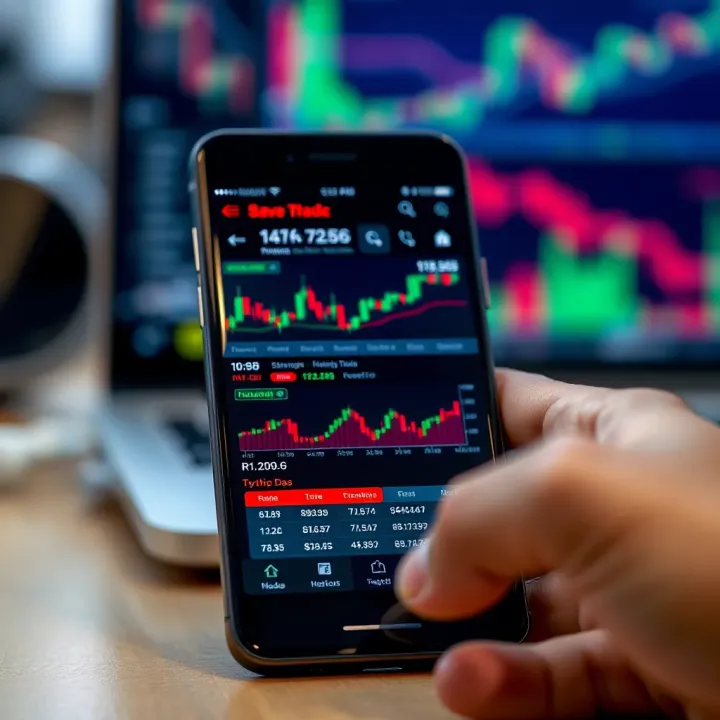
Discover the best trading apps in Pakistan 📱! Compare features, ease of use, regulations, and support to pick the right platform for you. Start trading smart!
Based on 14 reviews