
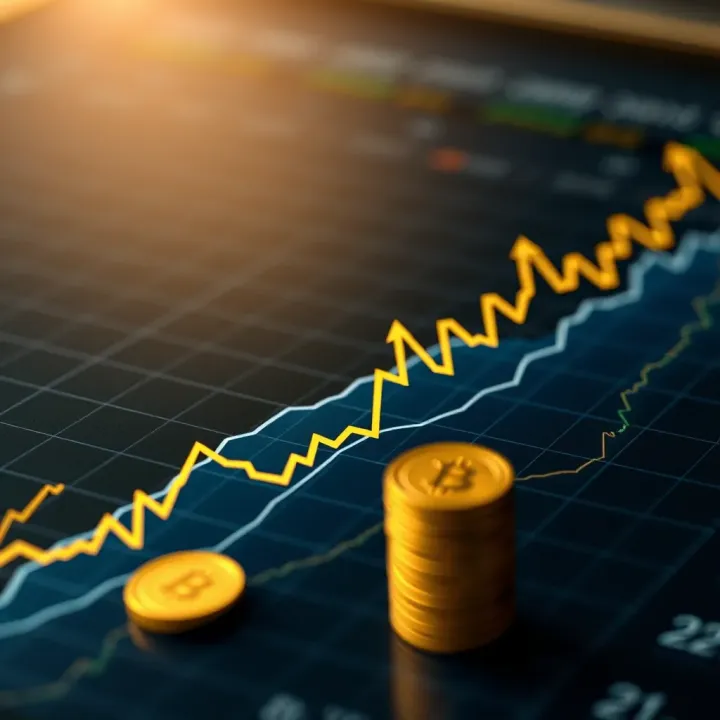
Gold Price Today: Trends and Market Insights in Pakistan
📈 Get today's gold forecast with insights on trends, economic indicators, geopolitical impact, and tips for savvy investors in Pakistan. Stay informed!
Edited By
Emma Clarke
Gold has long been a preferred asset for investors in Pakistan, valued not only for its cultural significance but also as a hedge against inflation and currency depreciation. Understanding the factors that influence gold prices in Pakistan can help traders, brokers, and investors make informed decisions. This introduction sets the stage by outlining the main elements that determine gold price movements both locally and globally.
The gold price in Pakistan is influenced by a combination of international market trends, currency fluctuations, government policies, and domestic demand. Historically, gold rates have shown sensitivity to economic events such as changes in the Pakistan rupee exchange rate against the US dollar, import duty adjustments, and shifts in global gold prices driven by geopolitical tensions or monetary policy changes by major central banks.

The local Pakistani market does not operate in isolation; hence, global gold price trends often reflect quickly on domestic rates, amplified by currency volatility and regulatory decisions.
Key aspects that shape the gold price forecast include:
US dollar strength: Since gold is priced in dollars worldwide, the performance of the USD directly impacts gold prices in PKR.
Rupee depreciation: A weaker Pakistani rupee generally pushes gold prices higher as importing the metal becomes more expensive.
Import duties and taxes: Changes by the government in customs duties or GST influence the cost structure and retail prices.
Economic indicators: Inflation rates, interest rates set by the State Bank of Pakistan (SBP), and investor sentiment affect demand.
Global political events: Conflicts, sanctions, or trade tensions can boost gold as a safe-haven asset.
For instance, during the rupee’s sharp decline in mid-2023, gold prices in the local market not only followed international rises but also experienced an added premium due to import costs and market speculation. Such instances demonstrate the intertwined nature of economic and policy factors on gold pricing.
This primer aims to provide a clear understanding of these influences, helping you anticipate price movements and manage investment risks effectively.
Understanding current and historical gold price trends in Pakistan is essential for investors, traders, and analysts to make informed decisions. Gold prices reflect not only local economic conditions but also international market forces, currency fluctuations, and seasonal factors unique to this market. Examining these trends can reveal patterns that guide investment timing and risk management.
Gold prices in Pakistan have shown significant month-to-month and year-to-year volatility. For example, in the last six months, the price per tola has fluctuated between Rs 140,000 and Rs 155,000, influenced largely by the rupee’s depreciation and global gold rates. Yearly comparisons highlight a rise of around 10-15% in 2023 compared to 2022, signalling increased demand and inflationary pressure locally. Tracking such changes helps investors decide when to buy or sell, avoiding periods of overheating or sudden dips.
Comparing Pakistan’s gold price movements with regional markets like India and the UAE provides useful context. While prices often move similarly due to shared exposure to global gold rates, Pakistan’s volatility is typically higher because of local currency instability and import duties. For instance, during periods when the Indian Rupee remains stable, Pakistani gold prices may still surge due to PKR weakness. This divergence alerts investors to local risks distinct from global trends.
Past economic crises in Pakistan have historically driven spikes in gold prices. During the 2008 global financial crisis and subsequent local currency devaluations, gold prices rose sharply as investors sought a safe haven. Similarly, the 2018 economic downturn saw gold prices jump by nearly 30% in a year. Recognising these patterns can prepare investors for how gold behaves in uncertain times, serving as a defensive asset.
Seasonal demand fluctuations also play a vital role. The wedding season from October to February typically increases gold buying, pushing prices higher. Additionally, festivals like Eid bring a surge in jewellery purchases, further boosting demand. Traders who anticipate these seasonal spikes can plan inventory and pricing strategies better, while investors might time purchases to avoid peak price periods.
Keeping an eye on these trends helps navigate the complex interplay of local economy, currency behaviour and cultural demand influencing Pakistan’s gold market.
Understanding the key factors that influence gold prices in Pakistan is essential for investors, traders, and financial analysts. These factors determine not only the current price movements but also the forecast and volatility of gold in the local market. From exchange rate shifts to government policies, each element interacts uniquely, shaping the decisions of buyers and sellers.
The depreciation of the Pakistan Rupee (PKR) plays a significant role in driving local gold prices upwards. Since gold imports are priced in US dollars, a weaker PKR means importers must pay more in local currency, naturally pushing retail prices higher. For example, when the PKR slipped from Rs 150 to Rs 170 against the dollar in recent years, gold prices climbed sharply, reflecting the increased cost for importers. This relationship makes gold a popular hedge against currency weakness in Pakistan.
Forex reserves also have a clear connection to gold rates. Pakistan’s foreign exchange reserves act as a buffer supporting the PKR. When reserves dip significantly, it signals economic stress and potential PKR volatility, which indirectly boosts gold demand as a safe asset. Traders watch Central Bank reports closely, because declining reserves often precede PKR drops and hence gold price hikes. For instance, during the reserve decline in FY 2022-23, gold prices saw upward pressure despite stable global trends.
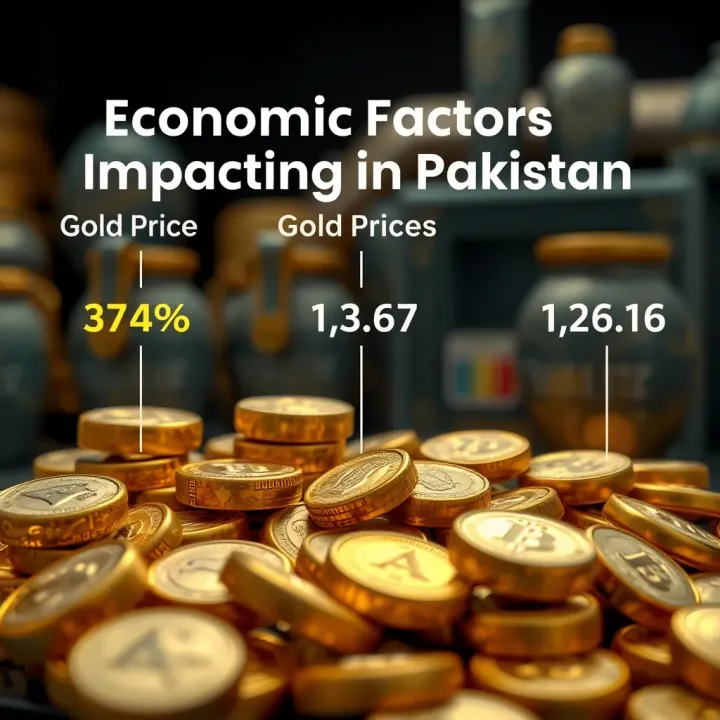
International gold prices and commodity market trends directly affect the price of gold in Pakistan. Since local gold prices largely track the international bullion market, fluctuations abroad swiftly reflect in the domestic rates. If global demand rises or geopolitical tensions push gold higher, Pakistani investors usually feel these effects quickly. To cite an example, US-China trade tensions in early 2024 caused a global gold price increase, which Pakistan's market mirrored within days.
The US dollar’s strength and global inflation rates are further crucial influences. A strong dollar often weakens gold prices in dollar terms; however, for Pakistani buyers, a strong dollar typically comes with a weaker PKR, cancelling out that decline locally. Inflation drives gold demand worldwide as people seek store of value. In Pakistan, with inflation above 20% recently, this has led to steady demand for physical gold and digital gold products.
Customs duties on imported gold significantly affect gold prices in Pakistan. When duties rise, import costs increase, leading to immediate price jumps at the retail level. For instance, the recent increase in customs duty from 1% to 5% added noticeable costs, making gold less affordable temporarily. Traders often delay purchases around duty hikes awaiting the market to stabilise.
Tax regulations also have market consequences. Taxes on gold transactions, capital gains, or jewellery sales can dampen investor interest or push demand underground. Clear, stable tax rules encourage transparent market participation. On the flip side, sudden policy changes or ambiguous taxation can lead to price fluctuations and lower liquidity. Keeping an eye on FBR notifications assists investors in anticipating market reactions.
Keeping track of PKR trends, government duties, and global gold movements enables savvy investors to make well-timed decisions and optimise returns in Pakistan’s gold market.
Economic indicators play a key role in shaping the direction of gold prices in Pakistan. Investors and traders closely watch figures like inflation and interest rates as they reflect the broader economic environment. Changes in these indicators influence both the demand for gold as a safe haven and the attractiveness of alternative investments, thus affecting the gold price forecast.
Rising inflation in Pakistan tends to push up gold demand. When the cost of living climbs and the Pakistani Rupee (PKR) loses value, people often turn to gold to protect their wealth. For example, during periods when Pakistan's inflation surged beyond 10%, gold typically saw increased buying from both retail customers and investors. This happens because gold retains tangible value even as the currency weakens.
Inflation also encourages people to hold assets that don’t depreciate in real terms. Gold, being a tangible asset, becomes a popular option when food prices, fuel costs, or utility bills rise. This surge in demand usually pushes up gold prices locally. Traders should note that this relationship is particularly strong in Pakistan’s market, where currency instability and inflation fears often dominate investor behaviour.
Gold has historically served as a hedge against inflation, meaning its value tends to rise when inflation eats into the purchasing power of money. Investors in Pakistan view gold as a reliable store of value during high inflation phases. This is particularly relevant for long-term savings, as gold's price usually adjusts to reflect inflationary pressures better than fixed income securities.
For instance, in times when official inflation rates spike, such as in monsoon-related crop failures or fuel price hikes, Pakistani investors often increase gold purchases. This protects them from losing purchasing power in their savings. So, holding gold can balance portfolios against the erosion of rupee value, making it a practical hedge in uncertain economic conditions.
The State Bank of Pakistan's (SBP) policy rate impacts the appeal of other investments compared to gold. When SBP raises interest rates, bank deposits, government bonds, and similar instruments become more attractive because they offer better returns. This can divert funds away from gold, dampening its price. Conversely, when the policy rate falls, gold tends to gain appeal since fixed-income returns decline.
For example, during the SBP’s frequent rate hikes to control inflation in recent years, some investors shifted money into term deposits instead of gold. This shift can temporarily slow gold price increases. However, if inflation outpaces interest returns, gold demand may still rise regardless.
Typically, gold and interest rates move in opposite directions. Higher interest rates increase the opportunity cost of holding gold, which doesn't pay interest or dividends. Therefore, rising rates may lead to lower gold prices. On the other hand, when interest rates drop, gold becomes more attractive because it doesn’t lose ground to interest-bearing assets.
This relationship isn't always one-to-one, as other factors like currency strength and geopolitical concerns also influence gold prices. Still, monitoring changes in SBP rates gives traders a good indication of gold’s short-term price movements in Pakistan. As an example, a cut in the SBP policy rate in early 2024 coincided with a notable rise in gold prices.
Tracking inflation and SBP policy rate announcements is crucial for making informed predictions about gold prices in Pakistan's volatile market.
Understanding these economic indicators helps investors anticipate gold price shifts and improve timing decisions for buying or selling gold in Pakistan.
Choosing to invest in gold in Pakistan requires understanding key investment options and market timing. Given gold’s traditional role as a store of value and hedge against inflation, Pakistani investors must weigh different forms of gold investments and strategic entry points to optimise returns and reduce risks.
Physical gold remains the most popular choice among Pakistani buyers. It includes jewellery, coins, and bars. Jewellery, while culturally significant especially during weddings and festivals, carries making charges that affect its resale value. Coins and bars avoid these extra costs and are easier to trade. For example, buying 24-carat gold bars from authorised dealers provides a straightforward way to own pure gold, albeit requiring secure storage arrangements.
Gold certificates represent ownership without physical possession. These are issued by banks and allow investors to hold gold in electronic form. This reduces security concerns but relies heavily on the bank’s credibility. While certificates may offer convenience, they often lack liquidity compared to physical gold, creating challenges if one needs quick cash.
Lately, gold exchange-traded funds (ETFs) and digital gold platforms have gained traction in Pakistan. Platforms like Pak Gold or digital services linked with JazzCash and Easypaisa let users buy gold in small denominations directly from their mobiles. Gold ETFs, traded on Pakistan Stock Exchange (PSX), track gold prices without the hassles of physical storage. These options offer more flexibility and lower entry barriers for new investors but also expose holders to market volatility and management fees.
Buying gold at the right time can make a significant difference. Pakistani investors often look at price trends and inflation signals. Generally, it is advisable to purchase gold during periods of PKR strength or when global gold prices dip, as this lowers effective purchase cost. Seasonal demand, such as before Eid or wedding seasons, tends to push prices up, so buying earlier can save money.
Speculative buying involves attempting to profit from short-term price movements. While it can yield fast gains, it carries risks of sudden price drops due to geopolitical shifts or currency swings. For instance, a sudden PKR rally against the dollar might reduce gold prices unexpectedly. Therefore, speculative investors should monitor currency rates, global economic news, and policy changes closely. Meanwhile, long-term investors might avoid frequent trading, favouring steady accumulation instead.
Understanding the different types of gold investments and timing your purchase wisely equips you to navigate Pakistan’s volatile economic environment and make the most informed decisions.
Balancing traditonal physical gold with modern investment tools like ETFs and digital gold platforms allows traders and investors to manage liquidity, safety, and cost effectively. Meanwhile, cautious evaluation of market conditions can help mitigate risks and exploit opportunities for better returns.
Understanding the future outlook for gold prices in Pakistan is critical for investors, traders, and financial analysts. Predicting price movements helps in managing risk, timing investments, and formulating strategies aligned with expected economic shifts. Given gold's close link to currency fluctuations, government policies, and global trends, this outlook offers actionable insights to navigate Pakistan’s dynamic market.
Gold prices in Pakistan tend to show noticeable volatility due to several local and international factors. Experts anticipate a price range between Rs 140,000 to Rs 160,000 per tola in the coming year, but sudden moves may occur depending on currency stability or international demand. For example, a sharp PKR depreciation could push gold prices upwards as investors seek safety against rupee weakness.
This volatility means investors should be cautious about timing. Rather than rushing into purchases during spikes, watching market swings can help identify lower entry points. Traders, especially, benefit from observing global gold trends alongside local economic indicators like inflation figures and SBP policy rate changes.
Pakistan’s gold market is sensitive to geopolitical events, both domestically and globally. Regional tensions, such as border conflicts or strained trade relations, can fuel demand as people turn to gold as a safe asset. Similarly, global uncertainties like US-China trade disputes or Middle East conflicts affect international gold prices, rippling into Pakistan.
These external risks add layers of unpredictability. For instance, sanctions on gold-exporting countries might reduce supply, raising prices. Investors should follow news updates closely and consider geopolitical developments part of their risk assessment when forecasting gold prices.
Over the long term, Pakistan’s economic growth and changing consumer patterns will shape gold demand significantly. With rising middle-class incomes and urbanisation, gold purchases for gifts or savings are likely to grow. For example, during festive seasons like Eid and weddings, demand spikes noticeably, impacting prices.
Moreover, shifts in consumer preferences – like increasing interest in digital gold platforms – can expand market access. Younger investors seeking convenient gold investments might gradually influence demand away from physical gold, affecting traditional market structures.
Jewellery remains a dominant driver of gold demand in Pakistan. Local artisans and consumers value gold jewellery for its cultural significance, maintaining steady consumption even when prices fluctuate. Industrial uses, though relatively smaller, also contribute, especially in electronics where gold’s conductivity is prized.
These sectors underpin sustained demand. For investors, recognising that jewellery demand often rises during certain cultural periods can guide buying strategies. Industrial demand, while less volatile, offers steady support to gold prices, cushioning against extreme drops.
Future gold price forecasts must consider both economic fundamentals and socio-political factors. Careful monitoring of these elements helps stakeholders make informed decisions in Pakistan’s complex gold market.
📈 Get today's gold forecast with insights on trends, economic indicators, geopolitical impact, and tips for savvy investors in Pakistan. Stay informed!
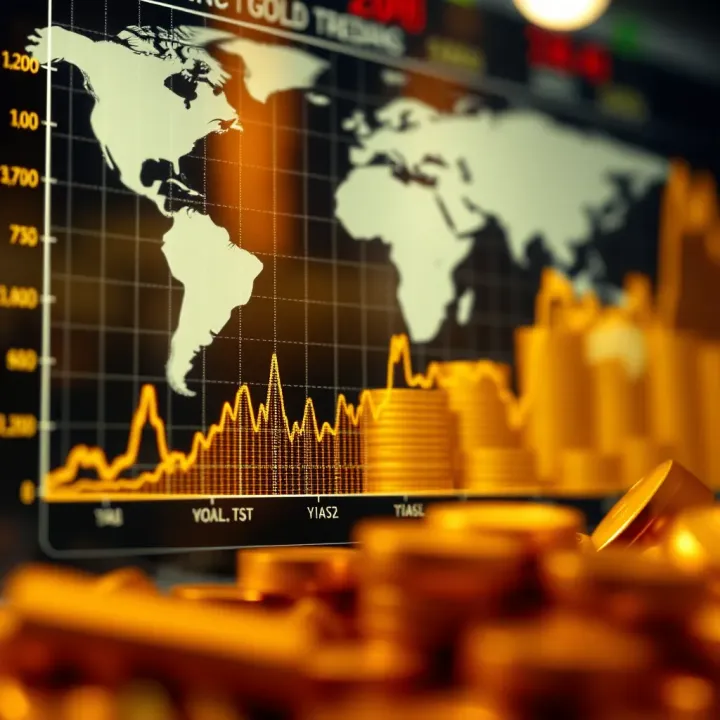
📈 Explore upcoming trends in gold rates by analyzing global factors, Pakistan's market conditions, and recent shifts. Stay informed for better investment decisions!
Explore the BGB price trends in Pakistan 📈, factors shaping the market, and smart tips for buyers and sellers to make informed decisions.
📈 Explore ADA Cardano's price trends, expert predictions, and key factors affecting its value. A must-read for investors in Pakistan seeking smart insights! 🇵🇰
Based on 7 reviews