
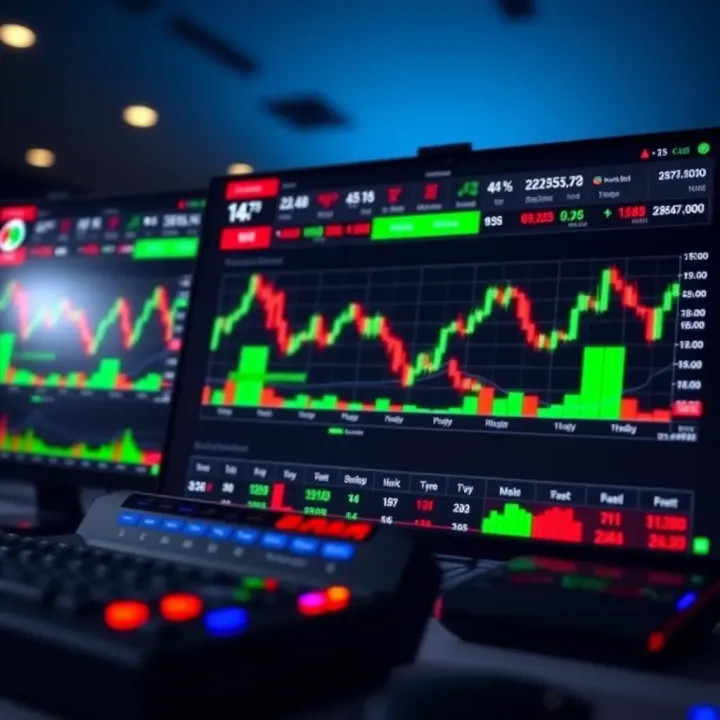
Best Trading Platforms for Beginners in Pakistan
📈 New to trading in Pakistan? Discover how to pick the right platform with tips on features, fees, and security to trade confidently and smartly.
Edited By
Liam Foster
Starting with trading can feel like stepping into a vast bazaar without a map — there are countless options, but no clear guide at first. Whether you want to trade stocks on the Pakistan Stock Exchange (PSX), deal in foreign exchange (forex), or explore commodity markets like gold and oil, getting your basics right is essential.
Trading means buying and selling assets to make a profit. However, it’s not about luck or guesswork; it requires knowledge, practice, and patience. For beginners in Pakistan, the challenges might include understanding market regulations set by SECP (Securities and Exchange Commission of Pakistan), dealing with currency fluctuations, or learning how to use trading platforms like PSX’s online services or mobile apps from local brokers.

Remember: Trading success doesn’t come overnight. It’s about developing skills through consistent learning and disciplined decision-making.
To start, you need to grasp several key components:
Market Understanding: Learn how different markets work and what suits your risk appetite and capital. For example, stock trading may require more research into company fundamentals, while forex trading revolves around currency pairs.
Basic Terminology: Terms like ‘ask price’, ‘bid price’, ‘stop loss’, and ‘leverage’ must become familiar, as they affect your trades directly.
Risk Management: Deciding how much of your capital you want to risk on each trade prevents heavy losses.
Selecting Tools: Choosing reliable trading platforms and brokers regulated by Pakistani authorities ensures safety and easier fund management.
This guide will help you navigate these areas pragmatically, focusing on practical steps tailored for Pakistan’s trading environment. By understanding local market structure, regulations, and available resources, you will build a foundation to trade smartly and confidently.
Grasping the basics of trading is essential for anyone planning to enter this field, especially in Pakistan's evolving financial landscape. Without a clear understanding, new traders often find themselves overwhelmed by jargon, market movements, and risk factors. Getting familiar with core concepts helps you make informed decisions rather than relying on guesswork or rumours.
Trading and investing are often confused but play very different roles in wealth growth. Trading involves frequent buying and selling of assets to capitalise on short-term price changes. For example, a trader on the Pakistan Stock Exchange (PSX) might buy shares in a company seeing positive quarterly results and sell the next day for quick profit. Investing, on the other hand, is about holding assets long term, such as buying stocks or property and waiting years for value appreciation.
Understanding this difference influences your approach and risk tolerance. Traders must react quickly and manage losses actively, while investors stay patient for gradual growth.
Types of trading vary mostly by trade duration and frequency. Day trading means buying and selling within the same day to catch small price fluctuations. Swing trading holds positions for days or weeks, aiming to benefit from short to medium-term trends. Long-term trading overlaps with investing, where positions are kept for months or years, focusing on fundamental strength.
For a new Pakistani trader, day trading requires constant market monitoring and access to reliable trading platforms. Swing trading is often a balanced option, allowing time to analyse market news like SBP policy changes. Long-term can suit those focused on the PSX or commodity futures as part of their financial goals.
Pakistan Stock Exchange (PSX) overview: The PSX is the primary stock market in Pakistan, where shares of listed companies are traded. It offers sectors from textiles to banking and technology. Since PSX is regulated and relatively accessible, it’s often the starting point for Pakistani traders. Liquidity and local economic factors, such as government fiscal policies or export changes, can impact share prices significantly.
Forex trading basics: Forex, or foreign exchange trading, involves buying and selling currency pairs like USD/PKR. This market is popular in Pakistan due to remittances and import/export activities. Forex operates 24/5, offering more trading hours than the PSX. However, it is highly volatile and requires understanding economic indicators such as SBP’s interest rates or political developments.
Commodities and cryptocurrency markets: Commodities like gold, silver, and oil are actively traded and influence Pakistan's economy directly, considering import dependence and energy needs. With rising interest among Pakistani youth, cryptocurrency has gained attention, but it remains largely unregulated locally. Both markets offer diversification but demand thorough research and caution due to price swings and regulatory uncertainty.
"Starting with the basics lays a solid foundation. Know what you’re trading, in which market, and your own goals before diving in."
Understanding these points equips you with the practical knowledge needed to select the right markets and make smarter trading moves in Pakistan’s context.
Setting up a trading account is your first practical step towards entering the markets. It’s not just about creating an account but laying the groundwork for smooth, secure trading that fits your goals and risk profile. For Pakistani traders, this stage is especially important because local regulations, payment methods, and broker options directly affect how easily and safely you can trade.
When selecting a broker, look beyond fancy ads and flashy websites. Important features include low transaction fees, reliable customer support, and a user-friendly platform that supports Pakistani market instruments. You want a broker offering competitive spreads and transparent pricing, so you don't get hit by hidden charges.
Pakistan’s tech readiness means you should also consider mobile platform quality—so you can trade on the go without hassles. A broker that provides educational resources or demo accounts can help beginners sharpen their skills.
Pakistani traders should always confirm their broker is approved by the Pakistan Telecommunication Authority (PTA) and regulated by relevant bodies, such as the Securities and Exchange Commission of Pakistan (SECP) or international regulators with solid reputations. This protects you from unscrupulous operators. For example, some local forex brokers have come under scrutiny for unethical practices, so verifying regulation is not optional.
Popular brokers serving Pakistani traders include local names as well as international ones with regional offices. Examples include MCB Trade, Taurus Securities, or international firms like IG Markets and XM that accept Pakistani clients. Comparing them on fees, trading instruments, and customer service will guide you to the best fit.
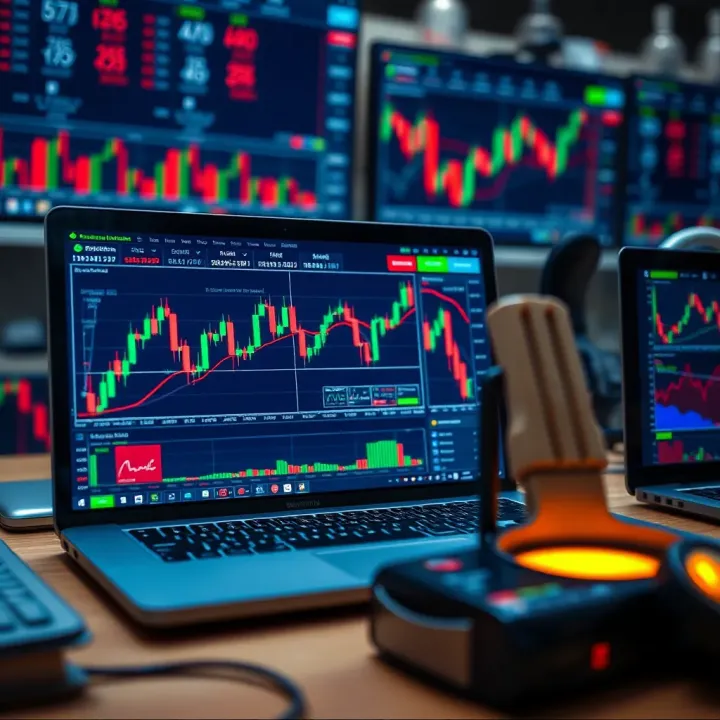
Opening a trading account in Pakistan typically requires your Computerised National Identity Card (CNIC) for verification. This ensures compliance with local financial laws and prevents fraud. Some brokers may ask for proof of address or income statements, but CNIC is the baseline document.
Funding your account has become easier with services like JazzCash and Easypaisa. These mobile wallets allow quick, low-cost deposits and withdrawals, eliminating the delay and fees associated with traditional bank transfers. Be sure your broker supports these options to save time and cost.
Understand the broker’s minimum deposit and leverage rules before funding your account. While some brokers allow accounts starting at Rs 10,000 or lower, others set higher minimums. Leverage lets you control a larger position with smaller capital but increases risk. For beginners, it’s wise to start with low leverage (like 1:10 or 1:20) to avoid big losses.
Setting up your trading account carefully can protect your capital and create a smoother trading experience. Choose regulated brokers, keep your documentation ready, and fund your account smartly using local payment channels.
Taking time at this stage makes your trading journey less stressful and more secure.
Understanding how to analyse markets is vital for any trader who wants to make informed decisions, especially in Pakistan where market conditions can be quite dynamic. Proper analysis helps you spot opportunities and risks early, rather than relying on guesswork or tips. This section covers two main types of analysis: fundamental and technical. Each offers valuable insights, and using them together often yields better results.
Fundamental analysis involves evaluating a company's financial health and relevant news that may affect its stock price. For example, looking at earnings reports, revenue growth, debt levels, and profit margins gives a clearer picture of the company's performance in the real world. If a textile firm listed on the Pakistan Stock Exchange (PSX) reports strong exports despite economic challenges, that might signal potential for stock appreciation.
Besides company-specific factors, government policies and broader economic indicators also impact markets. Changes in fiscal policy, like adjustments in tax rates or subsidies, can shift investor confidence. For instance, a new SBP (State Bank of Pakistan) interest rate decision often influences banking and financial sector stocks directly. Similarly, inflation data, GDP growth rates, or foreign exchange reserves figures offer clues about the economic environment, affecting currency markets and equities. Keeping an eye on such news helps traders align their strategies with economic trends rather than market noise.
Technical analysis focuses on chart reading and identifying price patterns to predict future movements. By studying historical price charts, traders can recognise trends like upward momentum or reversals. For example, a common pattern is the 'double top', which might indicate an upcoming decline in a stock’s price. This approach allows traders to time entries and exits more precisely without needing to delve deeply into a company's fundamentals.
Simple tools like moving averages, Relative Strength Index (RSI), and Bollinger Bands help traders gauge market strength or overbought conditions. For instance, if a stock is above its 50-day moving average and RSI is below 70, it might suggest healthy buying interest without being overvalued. Pakistani traders often rely on accessible platforms that offer these indicators, making technical analysis practical even with limited resources.
Access to reliable Pakistani market data sources is equally important. The official PSX website provides real-time and historical data essential for analysis. Pakistani financial news portals, brokerage reports, and software like Karachi Stock Exchange (KSE)-approved tools also support technical research. Using accurate local data rather than generic international sources ensures relevance and better decision-making tailored to Pakistan’s unique market patterns.
Combining fundamental and technical analysis improves your chances of spotting profitable trades and managing risks effectively. This balance is particularly useful in volatile markets like Pakistan’s, where economic and political events can shift sentiments quickly.
Creating a solid trading strategy helps you trade with discipline and reduces emotional decisions. Without a clear plan, many traders jump in blindly, leading to quick losses and frustration. Your strategy acts like a roadmap, guiding your moves in different market conditions with predefined rules for entry, exit, and risk.
Defining your investment objectives means knowing exactly what you want to achieve through trading. For example, you might aim to grow your savings steadily over several years or seek short-term gains to cover regular expenses. Clear goals help you pick the right trading style – someone wanting slow, stable growth might favour long-term investing, while a trader wanting quick profits could try day trading.
Assessing your capital and how much to risk per trade is crucial to avoid wiping out your funds. A common rule is to risk only 1%-2% of your total capital on any one trade. So, if you have Rs 1 lakh, risking Rs 1,000 to Rs 2,000 per trade keeps losses manageable. This discipline prevents a single bad trade from causing serious damage to your overall portfolio, especially important in volatile markets like PSX or forex.
Using demo accounts to test approaches allows you to try your strategy in real market conditions without risking real money. Pakistani brokerages often provide demo accounts that simulate live trading. This helps you understand how your strategy performs and gives confidence before committing actual capital. For instance, if your approach is to buy stocks breaking out above resistance levels, you can test this repeatedly in demo environment to see how profitable or risky it is.
Adjusting strategy based on performance is a continuous process. Regularly review your trades and identify what works and what doesn’t. Maybe your stop-loss is too tight, causing you to exit profitable trades early, or perhaps you ignore key economic news affecting the PSX. Tweaking your plan ensures it adapts to changing markets and your evolving experience. Keep records of your trades to spot patterns and refine your approach over time.
A well-thought-out trading strategy tailored to your goals and risk appetite boosts your chances of success and helps you avoid impulsive decisions in Pakistan’s dynamic markets.
By focusing on clear goals, disciplined risk-taking, and ongoing practice, you steadily build the skills and confidence every Pakistani trader needs.
Risk management and psychological control are vital for trading success. Trading involves uncertainty, and without managing risk, even the best strategies can lead to big losses. At the same time, emotions like fear and greed can cloud judgement, causing traders to make avoidable mistakes. Proper risk management helps protect your capital, while psychological discipline ensures you stick to your plan.
Setting stop-loss orders is a practical tool for limiting losses. It’s an automatic instruction to sell a stock or asset when it reaches a certain price. For example, if you buy shares at Rs 100, you might set a stop-loss at Rs 90. This means if the price drops to Rs 90, your broker sells the shares to prevent further losses. This is especially useful in volatile markets like PSX or forex, where prices can shift quickly during political or economic changes in Pakistan. Stop-loss orders help trade with a clear exit strategy, reducing emotional decisions during sudden price moves.
Diversifying your portfolio to reduce risk means spreading investments across different assets or sectors. Instead of putting all your money in textile stocks, you may include banks, technology, commodities, or foreign currencies. This way, if one sector underperforms due to local load shedding or policy changes, other investments can balance the impact. Diversification is like not putting all your eggs in one basket. For Pakistani traders, diversifying internationally or including commodities like gold can also reduce risk in case of rupee depreciation or market instability.
Common psychological pitfalls include overtrading, revenge trading, and holding on to losing positions with hope of recovery. Traders often make impulsive decisions driven by fear of missing out (FOMO) or panic after losses. For example, seeing a stock rise sharply might tempt a beginner to buy without analysis, only to suffer a quick loss when prices correct. These pitfalls harm profits and increase risk unnecessarily.
Tips to maintain patience and consistency involve sticking to your trading plan and not chasing quick wins. Using a trading journal to record every trade and reviewing performance helps keep emotions in check. Setting realistic profit targets and risk limits before entering a trade prevents rash decisions. Also, taking breaks during volatile market phases like budget announcements or geopolitical tension helps avoid emotional burnout. Consistency in applying your strategy and managing risks makes success more sustainable over time.
Managing your risk and emotions effectively is not optional in trading; it is the foundation that supports every other skill you develop.
Access to the right tools and resources can significantly influence your success in trading. For Pakistani traders, this means choosing platforms that align with local requirements and tapping into educational materials tailored to the Pakistani market. From trading software to community support, these resources make learning efficient and trading practical.
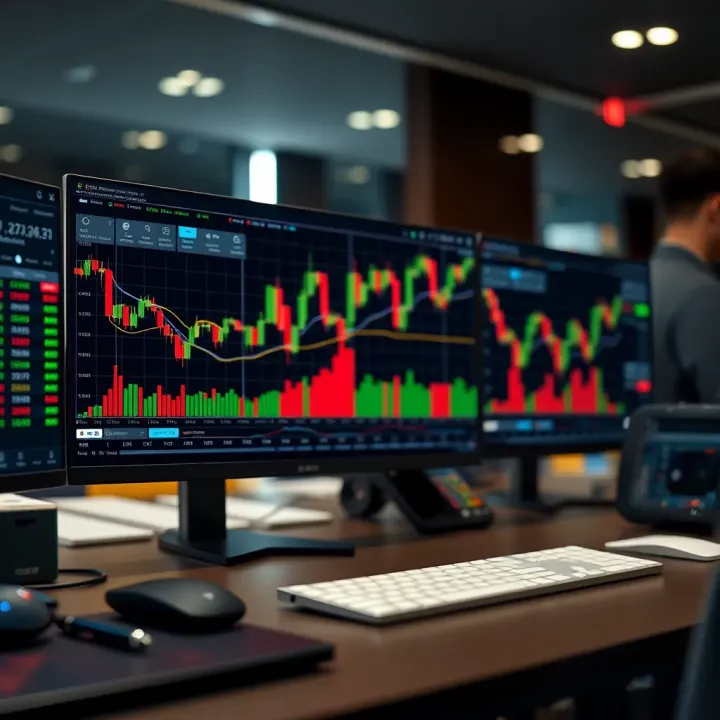
Popular trading platforms in Pakistan include services like PSX’s own trading portal, MT4 (MetaTrader 4), and local brokerage interfaces such as those offered by Pakistan’s leading brokerages like AKD Securities and BMA Capital. These platforms provide essential features such as real-time price updates, market news, and analysis tools. Using a reliable platform ensures you get accurate data, fast execution, and access to PSX and international markets with ease.
Mobile apps have become game changers for traders who want flexibility. Apps by brokers like MCB-Arif Habib Savings & Investments and AKD Securities allow trading on the go, enabling you to monitor your portfolio and place trades from your smartphone. This is especially useful in Pakistan where traders often balance multiple responsibilities. These apps support notifications on price alerts, margin calls, and market news, helping you respond swiftly.
Local seminars and workshops are a great way to get hands-on experience and network with fellow Pakistani traders. Many brokers and financial institutions in cities like Karachi, Lahore, and Islamabad organise these events to explain market dynamics, regulatory updates, and practical trading tactics. Attending such workshops can help you understand market behaviour specific to Pakistan and avoid common beginner mistakes.
Online courses and YouTube channels remain very accessible for continuous learning. Platforms such as Coursera and Udemy offer courses that cover everything from basic stock market principles to advanced technical analysis. Meanwhile, Pakistani YouTube creators like EasyEconomy and Market Munch provide market updates and tutorials in Urdu and English, tailored to the local audience’s needs.
Trading forums and social media groups also play a valuable role. Communities on Facebook, Telegram, and WhatsApp connect traders from across Pakistan to discuss trends, share tips, and warn about scams. Forums hosted by brokers and independent websites encourage question-and-answer interactions where you can seek advice and learn from others’ experiences. Engaging with these groups keeps you informed and helps build confidence.
Using the right combination of platforms, educational sources, and community support can make a real difference in your trading journey in Pakistan.
By focusing on tools and resources designed with the Pakistani market in mind, you prepare yourself not just to make trades, but to understand the broader financial ecosystem affecting your investments.
Trading in Pakistan offers many chances to grow wealth, but newcomers often fall into traps due to lack of caution or experience. Being able to avoid common mistakes and scams not only protects your capital but also builds a foundation for steady success. Identifying warning signs early, safeguarding personal data, and learning from missteps can prevent severe losses and frustration.
One common pitfall is falling for dubious broker offers or trading signal providers promising guaranteed returns. These often advertise exaggerated profits or unrealistic leverage to lure investors. For example, a broker might claim zero commissions paired with 1000x leverage, which raises risks instead of reducing them. Licensed brokers regulated by the Securities and Exchange Commission of Pakistan (SECP) typically avoid such aggressive promises. Look for clear terms in the contract and check for PTA or SECP approval before trusting any platform.
Similarly, trading signals broadcasted on social media or WhatsApp can be bogus, designed to push users into rash trades. Be wary of anyone charging high fees upfront for "sure-win" signals. Legitimate trading advice is transparent about risks and does not guarantee profits. Always cross-check trading recommendations with your own analysis or trusted sources.
Protecting your personal information is another key aspect to avoid fraud. Scammers often request CNIC copies, bank details, or mobile numbers to deceive or steal. Share sensitive documents only through secure, verified channels with brokers or institutions you trust. Use strong passwords for trading apps and enable two-factor authentication where available. Never disclose your login credentials or one-time passwords (OTPs) to anyone, even if they claim to be support staff.
Continuous learning is vital because the trading environment keeps shifting. Pakistani traders benefit from following educational content, attending local seminars, or joining online communities to sharpen skills and avoid repeating common errors. For example, many beginners lose money by overtrading or ignoring stop-loss orders. Regularly reviewing past trades to understand mistakes can improve future performance.
Keeping track of market news and policy changes in Pakistan also helps traders adapt. Updates from the State Bank of Pakistan (SBP), changes in tax regulations by Federal Board of Revenue (FBR), or geopolitical events can affect market volatility. For instance, sudden shifts in rupee exchange rates or commodity import duties impact asset prices. Accessing reliable local news sources daily ensures you respond smartly rather than react impulsively.
Staying alert against scams and learning constantly builds resilience in trading. It’s about protecting what you have while growing smarter day by day.
Avoiding mistakes and scams is your first defence in the trading world. With vigilance and ongoing education, Pakistani traders can navigate risks more confidently and build a sustainable portfolio.
📈 New to trading in Pakistan? Discover how to pick the right platform with tips on features, fees, and security to trade confidently and smartly.
📈 New to trading in Pakistan? Discover how to pick the best trading app with key features, top choices, and secure tips to get started confidently.
📊 Discover the best trading platforms for Pakistani traders! Compare fees, security, usability & support to find your perfect match for smarter trading decisions.
Learn how to trade CFDs in Pakistan 📈 with our detailed guide covering markets, strategies, risk management, legal tips, brokers, and taxes. Start smart!
Based on 6 reviews