
Best Trading Apps for Pakistani Investors
Explore top trading apps for Pakistani investors 📱 Learn key features, security tips, and how to make smarter trades on your mobile device safely 🔒
Edited By
Edward Finch
In recent years, trade apps have become a popular gateway for Pakistani investors to tap into local and international financial markets. The rise of smartphones and affordable internet packages has made it possible for many to trade and invest directly from their pockets, no longer needing to rely solely on traditional brokers or physical trading floors.
This article digs into what trade apps actually are, how they operate, and why they’re gaining traction among Pakistan’s investing community. Whether you’re a seasoned trader, a financial analyst, or new to the market, understanding these apps is key to making smarter investment decisions.
We'll explore features that really matter—like user interface, security, and real-time data access—and look at some of the popular platforms you might already have heard about, such as PSX official apps or third-party solutions like Trese or MTrade.
Moreover, it's crucial to weigh both benefits and risks involved with mobile trading in Pakistan's unique financial landscape. From regulatory compliance to connectivity issues, there are often behind-the-scenes factors that affect your trading experience.
"Knowing your tools is half the battle won." This guide aims to give you just that — a clear, practical understanding of trade apps tailored to Pakistan’s market, helping you avoid common pitfalls and make the most of your investment journey.
Understanding what a trade app is and how it operates is the foundation for anyone looking to dive into investing through mobile platforms. Especially in Pakistan, where smartphone use has surged, these apps have made trading more accessible and straightforward. Trade apps act as your digital brokerage, allowing you to buy and sell financial instruments with just a few taps.
The practical value of these apps lies in their convenience and speed. For example, say you're watching the Pakistan Stock Exchange and spot a sudden price dip in a company like Engro Corporation — a trade app lets you act quickly without waiting for a broker’s office hours. But it’s not just about making trades; these apps bring the whole market experience to your pocket.
Buying and selling financial instruments is the core of any trade app’s job. Think of it like a marketplace where you can purchase stocks, bonds, currencies, or cryptocurrencies. For Pakistani investors, this means you can engage directly with the market, buying shares of companies listed on the Pakistan Stock Exchange, or getting exposure internationally through apps that support global markets. The app typically offers easy search functions, real-time prices, and clear options for placing orders with minimum fuss.
Real-time market tracking is another big deal. Market prices fluctuate rapidly, and having up-to-the-second data helps you make informed decisions. For instance, if the price of the Pakistani Rupee vs USD shifts suddenly due to an economic announcement, a forex trading app can alert you immediately. This feature prevents you from flying blind and helps manage risks effectively.
Moving to order execution and management, this encompasses how your buy or sell requests are processed. The app handles everything behind the scenes—checking available funds, submitting your orders to the exchange, and confirming completion. Some apps let you set advanced orders, like stop-loss or take-profit, so you can automate parts of your trading strategy. This means you don't have to keep staring at the screen 24/7 but can trust your orders will execute as planned.
Stock trading apps are the most common and suitable for Pakistani investors wanting to buy and sell shares of listed companies. Apps like MCB Arif Habib Savings and JS Global Capital offer platforms tailored to Pakistan Stock Exchange’s nuances. These apps often provide detailed stock analysis, historical price charts, and dividend tracking, giving you tools to weigh your choices carefully.
Forex trading apps focus on currency pairs like PKR/USD, PKR/EUR, or more exotic pairs. They appeal mostly to those interested in taking advantage of currency fluctuations. Popular platforms such as MetaTrader 4 or XM cater to this, offering live rates, leverage options, and demo accounts. These apps require careful use since forex trading can be highly volatile and risky without proper knowledge.
Cryptocurrency trading apps have gained traction among younger Pakistani investors seeking exposure to bitcoin, Ethereum, or emerging coins. Apps like Binance and Coinbase (if accessed through VPNs or alternative ways, due to legal attention in Pakistan) provide a marketplace for crypto trading. Given the regulatory uncertainty in Pakistan regarding cryptocurrencies, such apps also highlight warnings and risk disclosures. Users need to weigh the legal and security risks before jumping in.
Key takeaway: A well-chosen trade app not only puts markets at your fingertips but also equips you with real-time insights and efficient tools, giving you a better chance of trading successfully in Pakistan's dynamic financial environment.
Picking the right trade app is more than just finding one that looks good or has plenty of downloads. For investors in Pakistan, it's about matching features with personal trading goals, security needs, and budget. When you’re deciding, certain key features stand out because they impact your ease of use, costs, and how safe your money really is. Let's break down these essentials one by one.
Nobody wants to wrestle with a clunky app when the market is moving fast. Intuitive navigation means the app feels natural—users can find what they want without guesswork. For example, easy access to buying and selling buttons, clear menus for portfolio tracking, and straightforward ways to switch between assets make all the difference. If you have to hunt around just to place an order, you risk missing chances.
Being able to tailor your dashboard helps you focus on what matters most. Maybe you want to see your favourite stocks front and center or keep tabs on real-time forex rates alongside your commodities. Apps like IG or eToro allow configurations where traders create custom layouts, tracking indicators they find useful. This means you won’t waste time filtering through irrelevant data, keeping decisions quicker and clearer.
Security isn't a joke with trading apps. Two-factor authentication (2FA) adds that extra lock on your account beyond just your password. Usually, it's a code sent to your phone or generated through an app like Google Authenticator. This extra step blocks most hacking attempts, which is especially important in Pakistan where cyber scams are on the rise. Always opt for apps offering 2FA to shield your investments.
Every bit of data you transmit while using the app—personal details, transaction history, payment info—needs to be scrambled so outsiders can't peek in. Data encryption achieves this by turning your information into a coded format that hackers can’t easily crack. A reliable trade app will use strong encryption protocols (think AES-256 or similar standards), assuring your details and trades are kept locked tight.
Costs can quietly eat into profits if you aren't careful. Transaction fees vary between apps; some might charge a flat fee per trade, others a percentage of the traded amount. For instance, Pakistan Stock Exchange brokers might charge around 0.03% per trade, but some apps include variable spreads instead. Knowing these fees upfront helps in calculating the actual cost of each trade.
Sometimes the sticker price isn’t the full story. Watch out for charges like deposit or withdrawal fees, inactivity penalties, or charges for accessing advanced tools. For example, few apps in Pakistan still charge extra for SMS alerts or monthly account maintenance. Always read the fine print and user reviews to avoid nasty surprises after signing up.
When money is involved, you want support ready when things go sideways. A trade app with live chat or phone support during Pakistan’s business hours is a big plus. Whether confused about a transaction or facing technical glitches, quick human help can prevent losses and frustration. For example, apps like Interactive Brokers offer 24/7 customer support, a helpful feature for different trading time zones.
Good apps don’t just offer trading tools—they help you become a smarter trader. Look for platforms that provide tutorials, video guides, or regular market news updates. For instance, apps like Harmony or Al Meezan offer educational content tailored for Pakistani investors, helping newcomers understand trading basics and keep tabs on local market trends. Staying informed reduces costly rookie mistakes.
Remember: The best trade app isn't necessarily the flashiest but the one that fits your trading style, keeps your funds safe, and offers support when you need it. Choosing based on these key features means you're setting yourself up for a smoother trading experience in Pakistan’s evolving financial markets.
Trade apps are changing the way Pakistani investors interact with financial markets. They've made investing more accessible, especially for young people and those outside big cities. These apps bring markets right into the palm of your hand, which means you can trade while sipping chai at home or during a commute. This shift is reshaping investment habits and offering new opportunities for wealth-building.
Smartphone use in Pakistan has been climbing steadily, with brands like Samsung, Vivo, and Realme flooding the market at affordable prices. Thanks to this, more people can now access trade apps easily. For example, even in smaller towns, investors are starting to use apps like PSX’s official mobile platform and local brokerage apps to monitor stocks or execute trades. This surge in smartphone availability has lifted the barrier to entry, making it practical for almost anyone to invest without needing a desktop or visiting a broker’s office.
The younger generation in Pakistan shows growing curiosity about investing, partly driven by financial literacy campaigns on social media and better awareness of how money can grow. Platforms like Investopia and TradingView, alongside local apps such as AgaTrade and MCB Trade, are gaining popularity because they offer straightforward interfaces and real-time data. This rising interest encourages brokers and fintech startups to innovate, adding features like instant fund transfers and simplified KYC processes. These developments empower new investors to start small and learn on the go, fostering a more inclusive trading environment.
The SECP sets the guardrails for how trade apps and brokers operate in Pakistan. Their regulations ensure that these platforms follow rules around transparency, anti-money laundering, and investor protection. For example, apps must verify users’ identities through proper documentation before allowing trades, to cut down fraud. Staying compliant means investors can trust that their money is safeguarded and that the trading environment is fair. This is crucial to maintaining investor confidence as mobile trading continues to expand.
Using licensed trade apps is vital. Licensed platforms like JS Global or BMA Capital have undergone SECP’s vetting process, which minimizes risks such as app malfunctions or financial scams. Investors trading on unlicensed apps risk losing not only money but also access to regulatory support if something goes wrong. Always check if the app is officially recognized by SECP before investing. This due diligence helps avoid pitfalls and keeps your investments protected under Pakistan’s financial laws.
Investing through regulated and licensed trade apps significantly reduces your risk exposure while offering a reliable trading experience tailored to the Pakistani market.
In summary, trade apps are much more than just a trend—they reflect growing smartphone access, increasing investor participation, and a regulatory environment aiming to secure a safe trading space for Pakistanis. For any investor, understanding this context is key to making smarter trading decisions through mobile platforms.
Trade apps have become a go-to tool for investors in Pakistan, especially with the sharp rise in smartphone use. These apps simplify trading by putting the market in your pocket, making it quicker to react to price changes or news. For Pakistani investors, choosing the right trade app means balancing local relevance, ease of use, fees, and the variety of financial instruments offered.
Local brokerage apps are a major factor here—these apps are typically linked to recognized brokers in Pakistan and provide easy access to the Pakistan Stock Exchange (PSX). For example, apps like Share Registrar or JS Global offer streamlined account setup with compliance tailored to local regulations. They often provide handy features like instant trade execution, portfolio tracking in Pakistani rupees, and options to view historical data specific to listed companies on the PSX.
Features tailored to Pakistan Stock Exchange are crucial because a local app will understand nuances like market holidays, trading hours, and corporate actions typical to PSX stocks. These apps might offer customized insights, such as alerts on Pakistan-based companies’ earnings announcements or dividend dates, giving investors timely info to make more informed decisions. Plus, the apps often speak the investor's language—urging simplicity in Urdu or English which helps newer traders get comfortable faster.
For currency trading, Pakistani investors have access to apps that support options for currency trading involving major pairs like USD/PKR or EUR/PKR. Platforms such as MetaTrader4/5 and local offerings allow forex traders to speculate on currency fluctuations or hedge against currency risk. These apps come with real-time charts, technical indicators, and news updates, essential for forex trading where every second counts.
When it comes to commodity market access, some trade apps integrate commodity trading options, exposing investors to gold, silver, oil, and agricultural products. Apps like FXPesa or Alpari offer markets relevant to Pakistanis who might want to diversify beyond stocks and forex. This access is especially useful when the local agriculture or energy sectors directly impact personal or business interests, tying market moves back to real-world events.
Cryptocurrencies continue to attract attention, and Pakistani investors can tap into popular exchanges accessible in Pakistan like Binance, KuCoin, and Coinbase. These platforms offer apps that keep track of real-time crypto prices, support instant buying/selling, and often feature staking or lending for passive income. They provide ease of access to Bitcoin, Ethereum, and emerging altcoins which might not be directly accessible through traditional brokerages in Pakistan.
However, legal and safety considerations are paramount when handling cryptocurrencies. The regulatory stance in Pakistan remains cautious, with the State Bank issuing warnings about crypto’s legality. Investors must exercise extra care: use wallets with strong security, enable two-factor authentication, and avoid platforms not vetted by global standards. It’s crucial to stay informed on evolving crypto regulations in Pakistan to avoid surprises.
For Pakistani investors, understanding which apps cater best to local needs improves trading success and reduces risks. App choices impact not just convenience but also security and profitability.
Overall, the popularity of these trade apps isn’t just about having the latest tech—it’s about making smart, faster, and safer trading decisions tailored to Pakistan’s unique market environment.
Using trade apps has reshaped the way many investors in Pakistan engage with the financial markets. These apps bring a host of advantages that not only make trading more accessible but also more cost-effective and informed. Let's break down the main benefits so you understand why trade apps are quickly becoming the go-to method for both novice and seasoned traders.
One of the biggest draws of trade apps is their convenience—they let you trade anytime and anywhere. Imagine sitting in a café in Karachi or traveling to Lahore; with your phone, you can monitor market movements and place trades without missing a beat. This instant access means you aren’t tied to a desktop or office, so you can respond swiftly to market changes.
Quick order placements are a natural follow-up to this. Most trade apps in Pakistan are designed to execute your buy or sell orders immediately. This speed is critical when market prices can shift in seconds. For instance, if you spot an opportunity to buy shares of a company listed on the Pakistan Stock Exchange during a sudden dip, you can act fast and possibly secure a better price before it jumps back up. The apps simplify order types too, helping you avoid the need for complex trading jargon.
Traditional trading in Pakistan often involved hefty brokerage fees and piles of paperwork, discouraging many from diving into the financial markets. Trade apps cut down brokerage fees significantly. Many apps now offer commission rates as low as 0.1% per transaction or even zero commission on certain trades, which can save investors a tidy sum over time.
Alongside this, the paperwork nightmare is almost non-existent. Opening an account and placing orders all happens digitally, streamlining the whole process. This saves time and reduces errors that paperwork-heavy processes often cause. For example, apps like PSX Trader or MTrade have digitised onboarding, making it possible to verify your identity and bank details through your mobile device without printing a single sheet.
Having up-to-date information can make or break an investment decision. Trade apps provide live price updates, freeing investors from the delays of traditional data sources. You get the latest market prices, index movements, and even company-specific news instantly, all on your phone’s screen.
In addition to live prices, market alerts and notifications keep you in the loop without needing to constantly stare at your screen. Apps can notify you when a stock hits your target price or when significant market events occur. This feature is especially handy for busy people who want to stay informed but can’t monitor the markets full time. For example, real-time push notifications from apps like CTrade or Al Meezan can keep you updated on key movements or corporate announcements relevant to your investments.
In a nutshell, trade apps bring the stock market closer to everyone by combining ease of use, affordability, and immediate access to critical market data. For Pakistani investors, this means making smarter, faster, and more cost-effective trading decisions.
When it comes to using trade apps, especially for Pakistani investors getting their feet wet in mobile trading, understanding the potential pitfalls is just as important as knowing the benefits. Trade apps can be handy tools, but they come with risks that can sting your wallet if you’re not careful. These risks range from technical hiccups like app crashes to serious threats like hacking, as well as the unpredictable nature of the market itself. Being aware of these challenges helps investors make smarter decisions and prepare for setbacks.
One of the most common headaches investors face while trading via apps is unreliable internet connections. In many parts of Pakistan, internet speeds can fluctuate sharply, especially on mobile data. Imagine trying to place a trade and the connection drops right before hitting "submit"—that can lead to missing out on a bargain or accidentally selling at the wrong time.
To reduce these risks, traders should always check their connection before launching the app and consider having a backup plan, like Wi-Fi availability or even using a different network. Offline alerts or notifications can also help if the app supports them, keeping you updated even when your internet is spotty.
No one likes dealing with apps that freeze or crash out at critical moments. Trade apps, being complex software, are prone to bugs and overload, especially during high market volatility when many users log in simultaneously. When the app delays a few seconds, it might mean a big difference in the price you get.
A practical tip is to keep your trading apps updated, as developers constantly patch bugs and improve performance. Also, clearing cache regularly and restarting your phone can smooth out minor glitches. If an app consistently crashes, it might be time to try alternatives with a reputation for stability like JS Global or InvestSmart Pakistan.
Trade apps involve handling sensitive financial information, so they naturally attract hackers and fraudsters. There have been instances globally where user accounts got compromised due to weak security measures or poor password practices. For Pakistani investors, who often use national identity cards and bank details in their app verification, the stakes are even higher.
To guard against hacking, always use strong, unique passwords and take advantage of two-factor authentication (2FA) if available. Don’t save passwords on shared devices or click on random links claiming to be from the app support team. Apps like MTrade have recently increased security protocols, but personal vigilance remains key.
Phishing is a sneaky trick where scammers pose as legitimate companies to steal your login credentials or other personal info. You might get an SMS or email that looks like it’s from your trade app's customer service, asking you to "confirm your account details" or "reactivate your login".
Remember, reputable apps never ask for passwords or sensitive info this way. Always verify communication by contacting the company directly through official numbers or apps. If unsure, don’t respond or open attachments. A simple rule: if it smells fishy, it probably is.
Trading on mobile apps can make you feel like you’re on a rollercoaster. Prices can zip up and down in minutes, causing sudden gains but also sharp losses. For instance, overnight political news or economic reports can drastically affect markets on the Pakistan Stock Exchange, leading to unforeseen volatility.
Knowing this, investors should never put all eggs in one basket. Using stop-loss orders in the app can help limit losses by auto-selling when prices fall to a certain level. Staying calm and avoiding knee-jerk reactions is crucial, as reacting impulsively to every market spike can drain your money fast.
Jumping into trades without proper knowledge is a recipe for disaster. Before investing, it’s essential to research the asset, understand market trends, and factor in Pakistan’s economic environment. Apps like InvestHub offer news, analysis, and charts that help users make informed choices.
Spending time learning about companies, commodity demand, or forex factors can pay off. Also, using demo accounts provided by many apps allows you to practice without risking real money. This kind of preparation reduces risks and helps build confidence for actual trading.
Being mindful of the risks and preparing accordingly is what separates cautious investors from those who just roll the dice. In the wild ride of trading via apps, a little foresight can save you a lot of heartache.
By understanding these technical, security, and market challenges, Pakistani investors can navigate trade apps more wisely and boost their chances for success while keeping their assets safe.
Getting started with a trading app in Pakistan might seem tricky at first, but it’s actually more straightforward than most expect. For Pakistani investors, using a mobile app isn't just about convenience; it’s a doorway to tapping into local and global markets with just a few taps. Understanding how to set up and place trades responsibly can save you time, money, and prevent costly mistakes down the road.
When you're hunting for the best trade app, don’t just dive in blindly. Look carefully at the features offered. Does the app provide real-time market data, in-depth charting tools, or easy order placement? For example, some apps like PSX’s proprietary app focus heavily on local stocks with tailored features, while others might offer broad forex or commodity access.
Fees are a huge factor too. Some apps charge a flat fee per trade, others take a percentage, and some sneak in hidden costs like withdrawal fees or inactivity charges. It pays to compare these fees because, over time, they eat into your profits. Pakistani investors often find that apps like JS Global or Al Meezan Securities strike a decent balance between features and fees.
Before settling on an app, spend some time browsing genuine user feedback. These reviews give you a peek behind the curtain—how’s the app’s uptime, customer support, and overall reliability? For instance, users often comment on how responsive the customer care is during market hours, or if the app freezes during high volatility moments. Reliable trader forums and social media groups can also be gold mines for honest app opinions.
A good tip: Don't just look for the highest-rated apps. Pay attention to common complaints and how the developers respond. This can tell you a lot about the app’s ongoing support.
Before making your first trade, Pakistani regulators require you to verify your identity. This usually means uploading a valid CNIC (Computerized National Identity Card), proof of address, and sometimes income proof. It might feel like a hassle, but this step protects both you and the broker by preventing fraud.
Many apps use automated systems to verify these documents quickly, often within a few hours to a day. Ensure your scanned copies are clear, and the details match exactly what you entered during registration to avoid delays.
To fund your trades, linking a payment method is a must. Most Pakistan-based apps allow connection to bank accounts via IBFT or use Easypaisa and JazzCash wallets for quick deposits. It's wise to link accounts you use regularly to avoid the fuss of transferring funds back and forth.
Keep security in mind—never share your banking passwords within the app, and enable any available two-factor authentication. This way, your money stays safe while you enjoy hassle-free deposits and withdrawals.
To place your first trade confidently, you need a short but clear grasp of order types:
Market orders: Buy or sell immediately at the current price. Useful when you want a quick transaction.
Limit orders: Set the price at which you want to buy or sell. The trade happens only if the market hits that price.
Stop-loss orders: Automatically sell to prevent further losses if the price dips below your set threshold.
For new Pakistani investors diving into PSX or forex, limit and stop-loss orders are lifesavers to avoid sudden market swings eating away your capital.
After placing trades, don’t just set and forget. Keep an eye on how your investments perform, especially in volatile markets like forex or cryptocurrencies popular here. Many apps offer real-time alerts, so you know when your orders execute or if there’s a sudden price move.
Regular monitoring lets you react fast—whether it’s booking profits or cutting losses. Some apps like TSX’s trading platform offer customizable alerts that many Pakistan investors find handy to stay in the loop without needing to stare at the screen all day.
Remember, trading isn’t just about making the first move; it’s about staying in control and making smart decisions as market conditions change.
Trading through mobile apps has made investing easier for many, but it also calls for a responsible approach to avoid unnecessary losses. When you’re navigating the ups and downs of the market on your phone, keeping a level head and following some basic rules can save you from costly mistakes. This section highlights essential tips that every Pakistani investor using trade apps should know to trade smartly and safely.
Before diving into trades, it’s important to clearly set what you want to achieve. Are you after quick profits from short-term fluctuations or building wealth gradually over months or years? Short-term trading often involves higher risks and requires constant attention—imagine trying to predict Karachi’s weather every hour, it’s not simple. Meanwhile, long-term investing in stable stocks listed on Pakistan Stock Exchange tends to smooth out sudden jolts in prices.
Setting realistic goals based on your available time, risk tolerance, and financial situation helps keep your expectations in check. For instance, expecting to double your investment overnight is a recipe for disappointment. Instead, aim for steady returns annually, maybe around 10-15%, which aligns more with market realities.
It's tempting to jump at every shiny opportunity or panic sell when things take a dip. But impulsive decisions, especially on apps where the market moves fast, often lead to losses. When you get a notification about a steep price drop, take a breather instead of reacting right away.
Try setting specific rules like "I won’t make any trade decisions without checking at least two news sources or consulting with a more experienced investor." Or use app tools like alerts and limit orders to help you stick to pre-decided plans rather than acting on gut feelings. Over time, this discipline will protect your capital and help you learn more about market patterns.
Putting all your eggs in one basket is a classic mistake. If you invest all your capital in just one sector—say, only textile stocks or one type of cryptocurrency—you expose yourself to massive risk if that sector suffers. Instead, spread your investments across different asset types and industries.
For example, a Pakistani investor might combine shares from local companies like Habib Bank Limited, some foreign stocks, a bit of gold ETFs, and perhaps limited cryptocurrency holdings. This way, if the textile industry is facing issues, your banking or commodity investments might hold steady. Diversification helps smooth out losses so that your overall portfolio doesn’t take a beating when one area struggles.
Stop-loss orders are a handy feature in many trade apps. They automatically sell a security once its price falls to a certain level, preventing further losses. Setting stop-loss limits is like having a safety net during turbulent market times.
For example, if you buy a stock at 1000 PKR, you might set a stop-loss at 900 PKR to cap your loss at 10%. Without it, you could lose much more if prices keep falling. This method protects your investment without needing to monitor the markets constantly, which is especially useful for those balancing jobs or other responsibilities alongside trading.
Markets are influenced by everything from political developments in Islamabad to global oil prices, which affect Pakistan's economy. Staying on top of latest news is vital. Most trade apps now provide news feeds or notifications tailored to your portfolio.
Make it a habit to glance through reliable business news sources like Business Recorder or Dawn’s business section. This habit helps in making informed decisions instead of flying blind. For example, if the government announces new tax policies affecting a sector, you can adjust your holdings beforehand rather than reacting late.
Many apps offer demo or practice accounts where you can trade with fake money before risking real cash. This is a golden opportunity, especially for beginners, to test strategies and learn how the app’s order system works without pressure.
Spend some time experimenting with demo accounts from platforms like Interactive Brokers or TD Ameritrade (available with virtual trading) and try out different order types. This hands-on experience lets you understand market mechanics and avoid rookie mistakes.
Responsible trading isn’t just about making profits––it’s about protecting your money, learning continuously, and making calculated decisions rather than gambling on guesses.
By keeping realistic goals, managing risks prudently, and investing time in education, Pakistani investors can approach trading apps confidently and avoid many common pitfalls.
Explore top trading apps for Pakistani investors 📱 Learn key features, security tips, and how to make smarter trades on your mobile device safely 🔒
📱Explore top trading apps in Pakistan! Learn key features, security tips, fees, and regulations to trade confidently on your mobile device today.
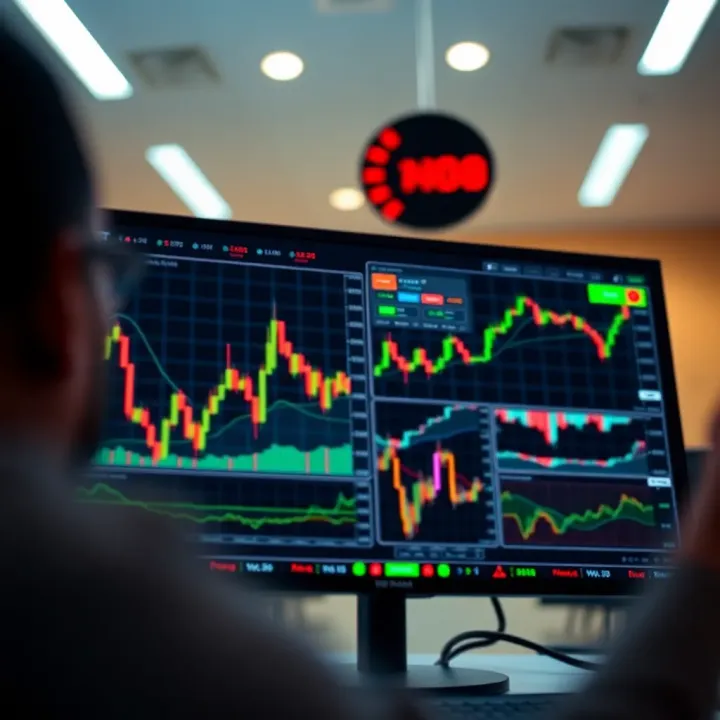
Explore top trading platforms in Pakistan 📈 Learn features, types, account security & tips to trade smarter. Find the right fit for your investment goals! 🇵🇰

📈 Understand the XAU to USD rate and how gold prices affect Pakistani investors. Get tips on tracking, trading, and navigating global markets effectively.
Based on 9 reviews