
Best Trading Apps in Pakistan Without Investment
Discover top trading apps in Pakistan that let you start without any investment 📱 Learn their features, ease of use, and key risks before trading!
Edited By
Henry Wilcox
Trading is often seen as a playground for those with a good stash of cash, but what if you could get your feet wet without throwing money in the mix? In Pakistan, where many are eager to dive into trading but hesitant about upfront investments, apps that let you trade without any initial funds are gaining attention.
These platforms are a practical way to learn the ropes in a real market environment, minus the financial stress. Given the fluctuating economic climate and the rising curiosity about stock markets and forex trading here, understanding these apps' ins and outs can offer a fresh perspective.
In this article, we’ll take a closer look at how such trading apps work, their key features, and the pros and cons that come with them. We’ll also touch on legal matters that potential users should consider, along with some handy advice for beginners wanting to step into trading without risking their wallet.
Starting to trade without an initial investment doesn't mean it’s all free and riskless. Knowing what you’re signing up for is crucial.
So if you’re someone who’s been sitting on the sidelines, unsure about investing real cash from day one, this guide sheds light on options that could suit your cautious approach, while still beefing up your trading skills and market understanding right here in Pakistan.
Getting a grip on what trading without investment actually means is a good starting point for anyone curious about dipping their toes into financial markets without risking their hard-earned cash. It’s about learning the ropes in a no-pressure setting, which can be especially valuable for beginners or anyone wanting to test strategies without the stress of real losses. Think of it like taking a car for a spin in a parking lot before hitting the highway.
Zero-deposit trading platforms let users engage in trading activities without putting any actual money down upfront. Instead, they provide virtual funds or demo accounts so you can buy and sell stocks or currencies as if you were using real money. For instance, apps like IQ Option or MetaTrader offer demo accounts where traders can simulate real trades. The main benefit here is risk elimination—you can experiment with buying shares or forex pairs without the fear of losing cash, making it easier to learn the mechanics of the market.
Simulated trading mimics real market conditions but without the emotional and financial stakes. While prices, charts, and order execution appear genuine, the key difference lies in the absence of actual money on the line. This means the adrenaline rush and stress of losing real cash aren’t present, which can sometimes lead traders to take unrealistically bold risks. For example, a trader might pile on high leverage in a demo account because there’s nothing to lose, but they’d be more cautious in a live trade. Understanding this gap is crucial when moving from practice to live trading.
One of the biggest draws of these trading apps is that they let you learn and experiment without fearing financial blowback. Beginners can try out different strategies, like swing trading or scalping, to see what suits their style before committing money. This learning curve without risk is similar to how pilots train in simulators before flying real planes—they develop skills in a safe environment.
Trading platforms use no-investment options as a way to reel in new users who might be hesitant to start trading because of financial concerns. By removing the initial barrier, these apps offer a free trial of sorts, giving users a feel for the interface, tools, and strategies. It’s like getting a free sample at a market stall, helping potential traders build confidence and eventually consider moving into actual investment.
For many traders in Pakistan, these zero-deposit apps serve as a gateway—offering hands-on experience that textbooks or theory alone can’t provide.
Trading apps that don't ask you to put upfront money can be a real game-changer, especially for folks just dipping their toes into the trading world. These platforms give you a hands-on feel without watching your wallet shrink. The main types usually fall into three buckets: demo account platforms, apps doling out free virtual credits, and social or copy trading apps. Each has its own quirks and perks, helping beginners get a grip on how markets move without the immediate pressure of real money.
Demo accounts are like the practice fields before the big game. They mirror real trading environments but use fake money. You get to trade stocks, forex, or commodities with the same tools that live traders use, like real-time charts, indicators, and order types. For instance, apps like MetaTrader 4 and IQ Option offer demo modes that let you explore market behaviors under real conditions without financial risk. This setup allows traders to experiment with strategies or understand order execution firsthand, blending comfort with authenticity.
However, demo accounts have their limits. Since no actual cash is involved, the emotional rollercoaster of risking something valuable is missing. This can lead to unrealistic risk-taking or strategies that don’t hold up in the real world. Plus, some platforms use simulated market data that may lag, making conditions slightly different from live markets. So, while demo accounts are invaluable for learning basics, they can't perfectly replicate the pressure and unpredictability of genuine trading.
Apps providing free virtual credits take demo trading up a notch by often blending game-like elements. They allocate a certain amount of credits that users can spend on trades, sometimes with leaderboards or rewards to keep things exciting. The idea is to make learning feel less like a chore and more like a challenge. These credits can't be cashed out, but using them helps users grasp how buying and selling work, and how markets fluctuate, in a low-stakes environment.
In Pakistan, trading apps such as Aurora and E*TRADE Pakistan have started to offer virtual credit features in their demos, tailoring their interfaces to local preferences. They stand out by combining user-friendly designs with educational resources specific to Pakistani market regulations and trends. These platforms help budding traders test the waters before diving in for real.
Social and copy trading apps provide an interesting twist by letting you follow and replicate trades made by seasoned pros. Instead of flying solo, you observe portfolios and strategies of expert traders, then mimic their moves with virtual or actual money, depending on the app’s model. Think of it as shadowing someone experienced to pick up on their timing and decision-making techniques.
For beginners, this method reduces the guesswork, providing a safety net built on real expertise. It also offers exposure to diverse trading styles without the steep learning curve. Platforms like eToro or ZuluTrade, popular internationally and gaining traction locally, enable this style of trading with impressive social features such as chat, news feeds, and risk analytics. It’s a nifty way for new traders to learn by example and gradually build confidence.
Trading apps without requiring cash upfront offer practical paths for beginners to learn the ropes. By choosing the right type based on your learning style and goals, you can turn practice into profitable know-how over time.
Trading apps that don’t require an initial investment offer a practical way for new and cautious traders to get a feel for the market without risking their hard-earned money. These apps serve as the training wheels for those trying to break into trading in Pakistan’s complex financial markets. By letting users test ideas and strategies safely, they bridge the gap between theory and real-world trading.
One of the biggest draws for these apps is the ability to learn market dynamics without risking actual cash. Imagine you’re trying to learn how to ride a bike on a busy street. You’d want to get comfortable in a safe, traffic-free environment first. Similarly, trading with virtual money lets you understand how stocks or currencies move, how orders are placed, and how market trends react to news—without the fear of blowing your account.
For example, apps like MetaTrader’s demo accounts or eToro’s virtual trading mode give you access to real-time market data but with fake money. This means you can practice spotting trends or reacting to sudden market swings, which is invaluable before going live.
Testing various strategies also becomes way easier here. Say you’ve been reading up on technical analysis and want to try out moving averages or RSI indicators. Instead of risking money on a gut feeling, you can easily try different strategies on these platforms. You’ll see what works, what doesn’t, and learn to tweak your approach based on actual market responses. This experimentation phase sharpens your decision-making skills and builds a solid foundation for real trading.
Trading for many feels like jumping into the deep end. These apps lower entry barriers by removing the need for an upfront deposit or complicated financial requirements. This opens doors for a wider audience, including students, freelancers, or anyone curious about trading but hesitant due to financial constraints.
By removing the upfront cost, these platforms invite newbies to experience the trading world firsthand. You don’t need to worry about minimum deposits like those required by traditional brokers, which can run into hundreds or thousands of rupees. This inclusivity helps more Pakistanis gain exposure to financial markets.
Beyond making trading accessible, these apps help users gain confidence in their trading skills. Practice builds familiarity; the more you trade in a simulated environment, the better you understand order types, market timings, and how external factors impact prices. Gradually, this confidence grows from knowing that your decisions come from practiced strategies rather than guesswork.
Using these no-investment trading apps isn’t just about playing with fake money. It’s about equipping yourself with the knowledge and self-assurance that could make a real difference when you’re ready to invest for real.
The key is to treat these platforms as serious learning tools. Track your progress, learn from mistakes, and use the opportunity to build habits that will help you succeed when money actually counts.

No-investment trading apps have grown in popularity, especially among beginners eager to dip their toes into trading without risking real money. However, these apps come with their own set of hurdles and constraints that users should keep in mind. Understanding these challenges is key to managing expectations and making the most out of the experience.
One major downside to no-investment trading apps is that they can't truly replicate the emotional intensity and stakes involved in live trading. When real money is on the line, stress and decision-making under pressure can be entirely different compared to trading with virtual funds. For instance, a trader using demo credits on an app like IQ Option might comfortably try bold trades without concern, whereas in a real account, hesitation might creep in due to the risk of losing capital.
This emotional gap means users may not develop the mental toughness needed to navigate volatile markets. While these apps simulate price movements realistically, the absence of financial consequences prevents a trader from fully experiencing market psychology. To bridge this, users should combine demo trading with active market observation or small real investments when ready, allowing them to better grasp the feel of actual trading.
No-investment trading apps inherently do not offer real monetary gains. Users might win virtual profits, but these cannot be withdrawn or used in any practical way. This limitation is significant for those looking to monetize their trading skills right away.
Additionally, these apps often include clear incentives pushing users towards paid trading. For example, platforms might display reminders about their real-money account options or offer bonuses for making an initial deposit. This business model is designed to convert learners into paying customers, which makes sense from a commercial viewpoint but can be discouraging for users sticking strictly to no-risk modes.
It's important to see no-investment trading apps as educational tools rather than ways to make money. Think of them like a flight simulator—not the real thing, but useful practice before taking off.
For anyone serious about trading, transitioning beyond the demo phase is essential. Once confident, opening a live trading account with minimal funds can provide the actual market experience and profit potential missing from no-investment platforms.
By keeping these challenges in mind and setting realistic goals, users can benefit from trading apps without initial investment while preparing themselves for future success in live markets.
Understanding the technical workings of trading apps that don’t require initial investment is key if you want to get the most out of these platforms. These apps create an environment that mimics real trading markets but without the financial risks, allowing users to practice and learn effectively. The technical backbone involves replicating market dynamics and building user-friendly interfaces, making it possible to trade with virtual money while experiencing real-time market fluctuations.
One of the main challenges for no-investment trading apps is to make the experience as close to real trading as possible. They achieve this by using a combination of historical and live market data. Historical data helps users understand how markets have behaved over time — for instance, how the stock price of Pakistan Oilfields Limited (POL) fluctuated during major economic events. Live data, on the other hand, provides a snapshot of current market activity, though it is often delayed slightly to avoid legal issues and prevent high-frequency trading abuse.
This blend of data ensures that users aren't just working with outdated numbers but get to test their strategies on scenarios that closely resemble real-time trading. For example, if currency rates for USD/PKR move sharply in the real market, a well-designed simulation reflects similar patterns.
Latency and execution times in these apps also have to be carefully managed. Unlike actual trading platforms where milliseconds can matter, these apps can introduce a slight delay to smooth over potential hiccups but aim to keep response times quick enough to deliver a realistic feel. If the app lags too much, the learning experience suffers — orders placed might not match what the user expects, causing confusion. Good apps balance these factors so users get an authentic but stable platform.
The design of no-investment trading apps focuses heavily on education, and this shows strongly in the user interface and available tools. Charts are fundamental — users need clear visuals of price movements over different time frames to make informed decisions. The most helpful apps provide interactive candlestick charts, which display market trends clearly and allow for zooming into specific periods.
Indicators such as moving averages, RSI (Relative Strength Index), and MACD (Moving Average Convergence Divergence) are frequently included to help beginners grasp market momentum and signals without diving into complex analysis. These tools are often paired with simple tutorials or tips directly embedded within the platform, so users don't have to hunt elsewhere for explanations.
Additionally, some apps offer practice orders along with explanations of what each action means. For example, when you place a "limit order," the app might prompt: "This sets the maximum price you’re willing to pay, helping control losses in a volatile market." Such features boost confidence and encourage users to experiment, learning faster while making fewer careless mistakes.
The bottom line: No-investment trading apps combine data simulation with intuitive interfaces and educational tools to deliver a learning ground where users can build skills that translate closer to real trading scenarios.
When it comes to trading apps that don’t ask for upfront money, Pakistani traders have a few solid options that stand out. These apps not only allow beginners to test their skills without risking their savings but also offer enough depth to keep more experienced users engaged. Understanding which apps are trending and why they're popular helps traders pick the best tool for learning and experimenting.
These platforms often provide virtual balances or demos, simulating real-world trading environments. This means Pakistani users get a taste of the market's ebbs and flows without the anxiety of losing actual money. The popularity of such apps also reflects a growing interest in financial literacy and trading awareness in Pakistan, especially among the youth who prefer digital-first solutions.
Among the standout no-investment trading apps available in Pakistan, a few names frequently come up:
eToro: Known worldwide for its social trading features, eToro lets users follow and copy expert trades without initial deposits. It's great for beginners who learn best by watching others.
IQ Option: This app offers a demo account loaded with virtual money, allowing users to trade forex, cryptocurrencies, and commodities. Its simple interface targets newbies keen on grasping market mechanics.
Olymp Trade: Offering an easy sign-up process and access to a demo account, it attracts traders keen on binary options alongside forex trading.
These apps share some key features:
Intuitive UIs suitable for beginners
Simulated accounts with virtual funds
Educational resources such as tutorials and webinars
Their user base typically ranges from curious novices to semi-experienced traders waiting to build confidence before committing real capital. This setup serves as a bridge, lowering the barrier to entry in Pakistan's trading scene.
Users across Pakistan often praise these apps for providing a risk-free environment to hone trading skills. The practice mode helps many avoid costly beginner mistakes, and the social features, like eToro’s copying system, are particularly lauded for easing the learning curve.
However, some common complaints surface too:
Lack of real emotional pressure compared to trading with real money, which some feel limits learning about market psychology.
Occasional glitches or delays in trade execution during demo mode reported with apps like IQ Option.
Limited variety in trading instruments on some platforms, which can feel restrictive.
Many users stress that while demo trading apps are fantastic for learning basics, making the jump to real trading requires a mindset shift that no app can simulate fully.
Despite some drawbacks, the overall feedback highlights the value these apps bring to Pakistan’s beginner trading community. The virtual trading experience helps users grasp market concepts, test strategies, and build confidence before taking the plunge into live trading.
In short, these no-investment apps act as a practical sandbox for Pakistani traders — offering a blend of accessibility, education, and experimentation essential for growth in an emerging market.
Getting started with a trading app that doesn’t require an initial investment is simpler than it might seem. These platforms offer a clear path for beginners to dip their toes into trading without risking real money, allowing learners to build confidence and knowledge at their own pace. Whether you’re curious about stock markets or forex, understanding the first steps—from signing up to making your first trade—can make all the difference in turning theoretical knowledge into practical skills.
The signup process on no-investment trading apps is generally straightforward but important to follow carefully. Most platforms will ask you to create an account by providing your email and setting a password. For example, apps like eToro and Plus500 allow you to start instantly with a demo account, no financial info required.
However, some local apps popular in Pakistan might ask for basic verification, such as a national ID or phone number, to comply with regulatory rules set by SECP. Verifying your identity helps avoid fraud and ensures a more secure trading environment.
Remember: even though you're not investing real cash initially, maintaining accurate and truthful information during registration is key to a smooth experience.
Once you have your account ready, the next step is to get familiar with basic trading actions. Placing orders is usually your main focus here. Most no-investment apps let you practice "buy" or "sell" orders on virtual funds. For instance, if you're testing forex trading, you might try buying USD/PKR at a certain rate and then observe the virtual price movement.
Tracking stocks or currencies comes next. Use the built-in watchlists or alerts feature to monitor your chosen assets. By setting price alerts on apps like MetaTrader 5 demo or IQ Option’s practice mode, you sharpen your market reading skills.
In short, start small: place simple trades, watch how market movements affect your positions, and gradually introduce more complex techniques like stop-loss orders or limit orders. This hands-on approach clears the fog around trading concepts and prepares you better for when real money enters the picture.
In Pakistan, the legal and regulatory framework plays a significant role in shaping how trading apps operate, especially those that let users trade without an upfront investment. These regulations ensure that the platforms remain transparent, fair, and safe for users who may be stepping into trading for the first time. Ignoring these factors can expose users to legal troubles, financial losses, or scams, so understanding the rules laid down by authorities like the Securities and Exchange Commission of Pakistan (SECP) is essential. For example, apps must comply with licensing requirements and data protection laws, safeguarding users’ rights and maintaining market integrity.
The SECP is the primary body that oversees all trading activities in Pakistan, including the approval and regulation of trading apps. To operate legally, trading platforms must obtain a license from SECP, proving they meet criteria related to financial solvency, transparency, and technical security. This ensures users’ funds and data are handled responsibly.
Compliance includes regular audits, disclosure of risks associated with trading, and adherence to fair trading practices. For example, if a trading app offers virtual credits or demo trading, it must clearly define how these differ from real trades, avoiding misleading users. Another vital compliance aspect involves protecting users’ personal information under Pakistan’s data protection regulations.
By sticking to these compliance measures, trading apps not only build trust but also protect themselves from hefty penalties or forced shutdowns, creating a safer environment for traders who’re just starting without investing real money.
Even when no initial investment is required, users of trading apps in Pakistan face potential risks such as fraud or data misuse. User protection measures are critical to minimize these risks. Platforms must educate users about avoiding scams — for instance, fake apps promising astronomical returns with free credits that vanish after a few days.
Practical ways to protect yourself include verifying the app is SECP-approved, reading user reviews, and avoiding unsolicited promotions. A good app will provide transparent disclaimers, clear terms of service, and accessible customer support.
Beware of apps or schemes asking for deposits under the guise of “unlocking” free credit or better features, as these often lead to scams.
Fraud prevention also involves secure login systems, encryption of sensitive data, and regular software updates to patch vulnerabilities. When users understand these protection standards, they make wiser choices, steering clear of risky platforms and focusing on legitimate apps that genuinely help them learn trading safely.
Together, these legal and regulatory factors form the backbone of responsible trading apps in Pakistan, reining in risks and fostering a trustworthy trading ecosystem—especially important for beginners trying out the market without putting their own money down.
Moving from no-investment trading apps to actual investing is a big step, and many traders find it a bit nerve-wracking. These apps let you trade without risking a single rupee, which is great for building skills, but real money trading brings in genuine stakes and emotions. Understanding when and how to make this switch is essential because it can mean the difference between success and costly mistakes.
The main advantage of transitioning is the opportunity to put your learned strategies and knowledge into practice with real market conditions. For example, when you invest actual money in the Pakistan Stock Exchange (PSX) or Forex markets, you experience real-time price volatility and market reactions, which can't be fully replicated by virtual platforms. However, this step requires preparedness—mentally, financially, and technically—to handle risk properly.
Before moving on, a trader should assess whether their no-investment practice has been consistent and successful. Successful here doesn't mean just making fake profits, but understanding market patterns, using tools like moving averages or RSI effectively, and making disciplined decisions. Only then does real investment become meaningful rather than gambling.
Knowing exactly when to start trading with real money can be tricky. However, there are some clear signs that indicate you're ready:
Consistent Practice and Strategy Success: You've used demo accounts or virtual credits for several weeks or months and consistently made good decisions, not just lucky guesses.
Understanding Market Risks: You know how market swings can affect your investments and have developed a risk management plan, like setting stop-loss orders to limit losses.
Emotional Control: You can handle losing trades without panic or getting overly greedy in winning trades. Avoiding common psychological pitfalls means you're more likely to stick to a plan.
Financial Preparedness: You have disposable income set aside that you can afford to lose without affecting your day-to-day life. Real trading isn’t for funds tied up in essentials.
For instance, imagine a trader in Karachi who has practised demo trading for three months and feels confident predicting the trends of popular stocks like KEL or HBL. They also have set aside some savings specifically for trading. This person fits the bill for starting real trades.
"Jumping in too soon without these signs increases your risk of losses and emotional stress, so patience is truly key."
Selecting a brokerage is critical once you're ready to invest real cash. In Pakistan's market, some specific factors you want to consider are:
Regulation Compliance: Ensure the brokerage is licensed by the Securities & Exchange Commission of Pakistan (SECP). This protects you from scams and unregulated operators.
Trading Platform Usability: A user-friendly app or website with smooth order execution helps avoid costly mistakes. Firms like IG or JS Global have apps tailored to Pakistani traders.
Fees and Commissions: Look for transparent fee structures. Excessively high commission rates can eat into your profits quickly.
Customer Support: Responsive local support in Urdu or English is valuable, especially when you're new.
Available Investment Options: Some brokerages let you trade stocks, futures, and forex all from one account, which adds flexibility.
Reputation and Reviews: Checking feedback from fellow Pakistani traders on forums or social media can shed light on broker reliability.
For example, PSX member brokerages such as AKD Securities and MCB Arif Habib Securities are popular choices because they meet these criteria and also offer educational resources for beginners.
Making a smart brokerage choice helps ensure your transition to real trading is smooth and less risky. Don’t rush this step; spend time comparing your options to find what suits your trading style and goals best.
When you dive into trading, it’s not always about jumping straight into buying or selling with your own cash. Plenty of traders start by learning the ropes through alternative methods that don’t require actual money on the line. These approaches are especially helpful in places like Pakistan where beginners want to get a solid grasp without risking their savings. Beyond just apps that let you trade with virtual credits, other routes include educational websites, online courses, and community groups.
Using these resources builds your understanding of market mechanics, strategies, and trends. It’s like training wheels on a bike – you get your balance before moving to the real deal. Not only do these methods reduce the pressure of losing money, but they also prepare you mentally and technically for actual trading.
Trusted resources that focus on Pakistani markets are incredibly valuable for new traders. Websites and online courses provide structured learning—guiding you about everything from basic terms to advanced chart analysis. For instance, platforms like Investopedia offer free, detailed articles and tutorials that cover stocks, currencies, and commodities relevant worldwide, including Pakistan.
More localized resources might include Finance Pakistan or Pakistan Stock Exchange’s site, which offer insights specific to local regulations and trends. Paid courses on platforms like Udemy or Coursera often feature beginner-friendly material tailored for Pakistani traders, sometimes even highlighting regulatory implications by SECP.
What’s useful here is the flexibility. You can start at your own pace, revisit tricky concepts, and even test your understanding with quizzes and exercises. These courses often explain real-world examples, showing how trades can be placed and what factors influence the market. This foundational knowledge supplements what you learn on no-investment trading apps by giving you a broader framework.
Another rich learning avenue is joining community forums and trading groups, especially those focused on Pakistan’s financial market. These groups bring together traders from different backgrounds where they share tips, discuss market news, and exchange strategies. Places like the Pakistan Trader Forum or even dedicated Facebook groups let you connect directly with people who have hands-on experience.
The practical value here is immense. Peers can give you advice on avoiding common pitfalls or explain complex concepts in layman’s terms. Sometimes, shared stories about their own wins and losses teach lessons no textbook can replicate. Plus, forums often include threads on the best apps and tools for trading without initial investment, providing peer-reviewed recommendations.
Being part of an active trading community can boost your confidence and keep you updated on market buzz, which is hard to match when learning solo.
When engaging in these groups, it’s smart to verify any advice you follow, since opinions can vary and not all tips will suit your style or risk comfort. But overall, the camaraderie and exchanged knowledge help reduce the isolation beginners often feel and make the learning curve smoother and less intimidating.
No-investment trading apps are a excellent playground for sharpening your trading skills without risking a single rupee. But just opening the app and clicking around won’t cut it. To really get something out of these platforms, you need strategy and discipline. Setting goals and using the tools effectively can turn practice into genuine trading know-how.
Tracking your progress is where many beginners stumble. It’s easy to get carried away thinking every simulated trade will be a jackpot, but trading isn’t about luck; it’s about calculated moves. Set clear, achievable goals—like learning how to place different types of orders or understanding how a stop-loss works within a week. Make notes on your trades and outcomes to review what worked and what didn’t.
One practical way is to create a trading journal where you jot down the reasons behind each trade, the outcome, and lessons learned. Over time, you’ll spot patterns in your decision-making, helping improve your strategies. Staying disciplined means setting aside regular sessions to practice, even if it's just 30 minutes daily after work or during lunch breaks.
Consistency beats intensity. Trading isn't a one-time sprint but a marathon of steady learning.
Most no-investment trading apps pack a good range of tools like live charts, price alerts, and tutorials. However, many users just glance at these features without really putting them to work. Pay attention to how charts change during market hours, use alerts to catch price movements for assets you are watching, and don’t neglect tutorials—usually designed by financial experts—to push your understanding further.
For example, apps like IQ Option and eToro offer interactive charts and social trading features. Use the charting tools to practice spotting trends or candlestick patterns instead of randomly entering trades. Set price alerts on stocks or currencies that interest you to react quickly on simulated trades. These small habits mimic the real trading environment and prepare you for when you move to actual investments.
The more you engage with these tools, the better you’ll understand market behavior without risking your hard-earned cash. These apps turn theory into hands-on experience, making your learning curve much smoother.
Careful goal-setting paired with active use of the app’s learning features turns simulation into a powerful step towards real trading confidence.
Discover top trading apps in Pakistan that let you start without any investment 📱 Learn their features, ease of use, and key risks before trading!

📱 Explore trading apps that let you practice and test strategies without investing real money. Ideal for beginners in Pakistan looking to learn risk-free!

Explore how zero investment trading apps work in Pakistan, their pros, risks, legal tips, and popular platforms to trade without upfront costs 📱📊💰.
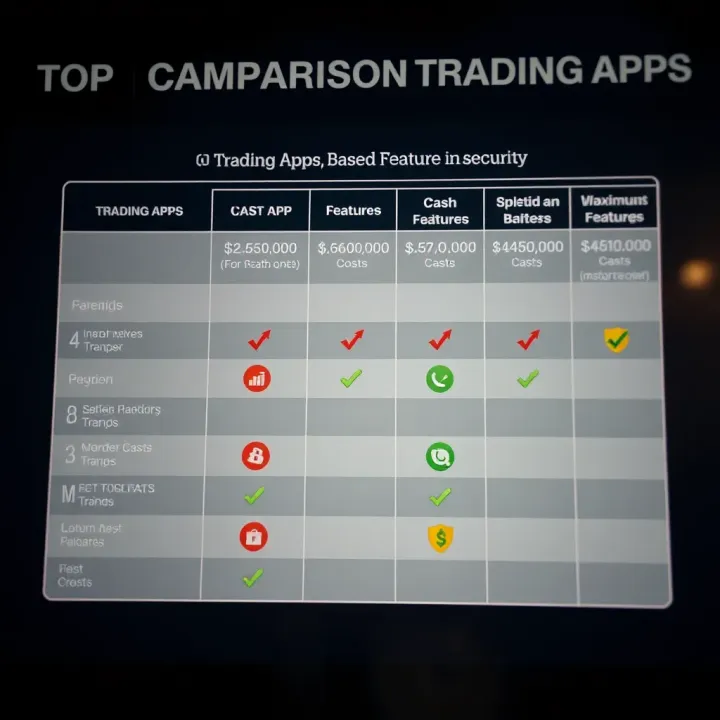
📱 Discover the top trading apps in Pakistan! Compare features, costs, security, and usability to find the best fit for new and experienced investors.
Based on 15 reviews