
Trading Platforms Guide for Pakistani Traders
📊 Explore trading platforms for Pakistani traders: learn types, fees, security, regulations, and tips to pick and use them confidently in your trades.
Edited By
Henry Lawson
Trading in Pakistan's financial markets has become increasingly accessible, thanks to better technology and wider internet coverage. But just diving in without the right tools is like trying to navigate Karachi traffic blindfolded—you can’t expect to make your way easily or safely.
This guide aims to fill that gap by highlighting key trading tools that can help you read the market better, control your risks, and execute trades with confidence. From user-friendly software platforms to essential charting tools and reliable technical indicators, we’ll cover the nuts and bolts necessary for smart trading.
Whether you're stepping into Pakistan Stock Exchange for the first time or you’re already dealing in forex or commodities, knowing the right tools can change your game. We'll also look at some automation options, helpful in this digital age, to keep an eye on market moves even when you can’t be glued to your screen.
Understanding and using the right trading tools doesn't just improve decision-making; it can save you from costly mistakes and wasted time.
By the end, you should be comfortable picking tools that suit your trading style and objectives, avoid common pitfalls, and make informed moves in Pakistan’s distinct market environment.
Trading tools are the backbone of today's financial markets, especially in dynamic environments like Pakistan's. They act as a trader's compass, helping to navigate the fluctuating tides of market prices and volumes. Without the right tools, even the keenest trader can miss critical shifts or misinterpret signals, leading to costly mistakes.
In the Pakistan market, where economic updates, political developments, and regulatory changes can rapidly influence asset prices, these tools become more than convenient—they're necessary. They equip traders with up-to-date insights, precise data analysis, and the ability to execute trades efficiently amid fast-moving market conditions.
Take, for example, a day trader in Karachi keeping an eye on KSE-100 index futures. With the help of real-time charting tools and technical indicators, they can quickly spot momentum changes and act accordingly, a task far more difficult with just gut feeling or basic observation.
Trading tools range from software for analyzing market trends to calculators for managing risk, and even automated systems that execute trades without human intervention. This article aims to clarify what these tools are, why they matter, and how traders in Pakistan can practically apply them to improve their decisions and control risk better.
Trading tools are software or platforms designed to provide traders with essential information and functionalities to make buying and selling decisions smarter and faster. They include charting software, technical indicators, risk management calculators, economic calendars, and automated trading systems.
For instance, MetaTrader 5 is a popular example that Pakistani traders often use, combining real-time data feeds, technical analysis features, and automation capabilities in one package. Likewise, economic calendars specifically tuned to Pakistan’s financial events help traders prepare for market-moving announcements by the State Bank of Pakistan or major fiscal policy changes.
These tools breakdown complex market data and automatically highlight significant changes, helping traders who might not have time for detailed analysis. Imagine trying to spot every minor shift in the Karachi Stock Exchange without assistance — it’s like trying to catch raindrops in a storm without an umbrella.
Pakistani traders face unique challenges such as high volatility due to political instability, currency fluctuations, and regional economic factors. Trading tools help manage these challenges by providing timely market insights and mechanisms to limit losses.
For example, stop-loss features available on many platforms allow traders to cap potential losses before they escalate, an indispensable feature when markets swing unexpectedly after a sudden policy announcement. Moreover, tools like Relative Strength Index (RSI) or Moving Averages help decipher trend strength and possible turning points in shares like Pakistan Oilfields or Habib Bank Limited.
Without these tools, traders risk falling behind or making emotional decisions based on incomplete data. Using well-suited trading software and indicators also saves time, allowing traders to monitor multiple assets or markets simultaneously, important for those balancing trading with other responsibilities.
Effective use of trading tools doesn't guarantee profit but equips traders in Pakistan with a better shot at making disciplined and informed decisions, reducing guesswork significantly.
In the sections ahead, we will explore the specific types of tools available, how to pick the right ones for your trading style, and practical advice on their use within the Pakistani market context.
In the world of trading, the platform you choose can make a big difference. For Pakistani traders, picking the right platform isn't just about ease of use; it’s about tapping into local market realities, regulations, and connectivity. The right platform helps you place trades quickly, analyze data efficiently, and manage your portfolio without headaches.
Different platforms come with various features, and understanding them can save both time and money. From desktop powerhouses to mobile apps that put the market in your pocket, each platform suits different trading styles and needs. Let's break down the three main types you’ll see in Pakistan.
Desktop platforms are the traditional choice for many active traders in Pakistan, such as those involved in KSE (Karachi Stock Exchange) or Forex markets. These platforms usually offer the most advanced tools, including intricate charting options, back-testing for strategies, and complex order types.
For instance, MetaTrader 5 (MT5) and MetaTrader 4 (MT4) dominate the scene, especially for Forex traders here. They provide detailed technical indicators, automated trading through Expert Advisors (EAs), and a robust environment for customization. However, their complexity can be overwhelming for beginners, so some traders prefer simpler alternatives.
Desktop platforms often require stable internet and a reliable PC setup but reward users with speed and a full range of features. Traders who rely on in-depth analysis and want to work with multiple charts and tools usually favour these platforms.
In Pakistan, where smartphone penetration is soaring, mobile trading apps have become quite popular. Apps from brokers like IG Markets, ThinkMarkets, and local platforms such as PSX’s official app make it convenient for traders to follow the market on the move.
Mobile apps focus on user-friendly design and quick access—ideal for those who want to keep an eye on their trades without being tied to a computer. Features like push notifications for price alerts or news updates help traders react quickly to market movements. However, advanced tools may be limited when compared to desktop platforms.
A common practical example is a day trader receiving a mobile alert about a sudden drop in PSX-listed stocks and quickly placing a stop-loss order before any big losses hit. This shows how mobile apps suit fast-paced trading activities.
Web-based platforms are a middle ground, offering decent features without requiring any installation. Platforms like TradingView and Webull (in some instances accessible through VPN in Pakistan) are popular choices. Many brokers also offer their proprietary web platforms tailored for the local market.
These platforms let traders log in from any device with an internet connection, which brings flexibility but sometimes slower execution speeds compared to desktop apps. Still, they often come with powerful charting tools and social trading features that let you share ideas or copy trades from more experienced traders.
For example, a commodity trader tracking gold prices can easily access web-based platforms from their office computer or a cyber café without needing to carry a laptop. This accessibility makes web platforms a great option for many Pakistani traders, especially those who are juggling work and trading.
Choosing a trading platform isn’t about following trends; it’s about fitting the tool to your trading habits, technical comfort, and the market conditions in Pakistan.
Each kind of platform has its own spot in the toolkit. Whether it’s the comprehensive power of a desktop setup, the mobility of trading apps, or the flexible access of a web platform—knowing their strengths and limits goes a long way in making well-informed decisions.
Charting tools are the backbone of any trader’s toolkit, especially in markets like Pakistan’s where timing and trend recognition can make a big difference in outcomes. These tools allow traders to visualize price movements over time, making it easier to spot patterns, trends, and potential reversals. By turning raw data into clear, interpretable visuals, charting tools help traders make sense of the often messy price action and craft more informed trading strategies.
Using the right charting tools can drastically improve how you read the market. For instance, in Pakistan’s bourse or commodity markets, where spikes and dips can be swift, having a clear picture through charts can be like having a map in unfamiliar territory. Whether you're eyeing the Karachi Stock Exchange or tracking wheat futures, the ability to read these charts confidently can help prevent costly mistakes and spot opportunities early.
Candlestick charts are by far the most popular amongst traders in Pakistan and worldwide. They show the open, close, high, and low prices for each trading period, all bundled into a simple visual form that’s easy to interpret. Each “candlestick” gives a snapshot of the market's sentiment in that time frame — whether buyers were in control or sellers dominated. For example, if the candle is green (or white, depending on your charting software), it tells you the close was higher than the open, indicating upward momentum.
This kind of chart is especially useful for spotting quick shifts in momentum, which is crucial in the fast-paced world of Pakistan Stock Exchange day trading. Patterns like "Doji" or "Hammer" candlesticks warn about potential reversals or market indecision, helping traders decide when to enter or exit a trade.
Line charts are the simplest form of price tracking, connecting closing prices over a set time period with a single continuous line. Although they lack the detailed information that candlestick or bar charts provide, line charts offer a clean overview of the market’s general direction. This simplicity can help traders quickly grasp long-term trends without getting bogged down in short-term fluctuations.
For a trader focused on long-term investments in Pakistani stocks or government bonds, the line chart serves as a straightforward guide to understand whether an asset’s price is generally trending up or down. However, for active traders looking for entry and exit points, relying solely on line charts might not provide enough detail.
Bar charts strike a balance between line charts and candlesticks. Each bar represents the open, close, high, and low prices within a specific time frame, similar to candlesticks, but displayed differently. The left tick marks the open price, while the right shows the close.
Many Karachi traders use bar charts for their clarity and the traditional feel they bring to technical analysis. Bar charts are valuable for identifying market volatility and momentum, and for spotting setups like breakouts or pullbacks in a format that doesn't overwhelm.
Interpreting price action means understanding the story the price movements are telling without relying solely on complicated indicators. Traders in Pakistan often look at the highs and lows, the relationship between opens and closes, and how these shift over time.
A common approach is to look for areas where prices repeatedly bounce off (support levels) or fall back from (resistance levels). For example, if a stock in the Pakistan Stock Exchange keeps hitting a price of PKR 150 but struggles to go higher, that’s resistance. Watching how price reacts at such levels helps decide if you should buy, sell, or hold.
Another tactic is recognizing chart patterns like "head and shoulders" or "double bottom," which can indicate trend changes. These patterns aren’t magic, but they reflect how buyer and seller psychology plays out, something keen traders learn to read.
"Price action is like reading a road sign on your trade journey—it tells you when to speed up, slow down, or take a detour." Understanding this helps you reduce your reliance on guesswork and make trades based on clear signals.
In short, mastering chart reading – whether it's candlesticks, bars, or simple lines – gives Pakistani traders an edge. It brings market data to life, helping them trade smarter and with more confidence.
Technical indicators play a solid role in helping traders make smarter choices in the fast-moving Pakistan market. These tools analyze historical price and volume data to give clues about future price movements. For many traders, relying on raw price alone feels like driving blindfolded. Indicators add another layer of insight, helping spot trends, reversals, and momentum.
Using technical indicators isn’t about magic; it’s about applying simple math formulas to chart data for clearer signals. For example, during tumultuous trading days on the Pakistan Stock Exchange (PSX), a well-set indicator might hint when to enter a trade and when to exit before the price swings too far.
It's worth remembering: indicators don’t predict the future with certainty but highlight probabilities and help manage risk better.
Moving averages (MAs) smooth out price data to form a trend-following indicator. Think of them like a ball rolling over hills – it shows you the general direction, ignoring minor ups and downs.
In Pakistan’s volatile markets, simple moving averages (SMA) like the 50-day and 200-day are popular tools. When the price crosses above its 50-day SMA, traders might see it as a bullish sign suggesting upward momentum. Conversely, falling below the 200-day SMA could warn of a bearish trend.
Traders often watch for "golden crosses" and "death crosses": a golden cross occurs when a shorter MA (e.g., 50-day) crosses above a longer MA (e.g., 200-day), potentially signaling an uptrend. The death cross, where the opposite happens, might warn of further declines.
For instance, during the 2023 rally on the PSX, traders who relied on moving averages managed to avoid sudden drops that caught many off guard.
The RSI shows whether an asset is overbought or oversold by scoring momentum on a scale from 0 to 100. Typically, readings over 70 suggest the asset might be overbought—meaning prices could soon drop. Readings below 30 imply oversold conditions, hinting prices might bounce upward.
Imagine the RSI as a traffic light: red means "slow down" because the market might reverse, green means "go" or buy, and yellow urges caution.
Pakistani traders use RSI to catch potential reversals early. For example, if the RSI of a company like Engro Corporation hits 75 after steady gains, it might signal a good moment to lock in profits before a pullback.
The Moving Average Convergence Divergence (MACD) offers a dynamic look at trend and momentum by comparing two moving averages of different lengths (usually 12-day and 26-day).
MACD has two key components: the MACD line and the signal line. When the MACD line crosses above the signal line, it suggests buying momentum is picking up. Crosses below hint at selling pressure. This makes MACD handy for identifying trend shifts.
In volatile sectors like Pakistan’s textile or energy stocks, using MACD can help traders avoid false breakouts by confirming stronger trends.
For example, if the MACD for a stock like Pakistan Petroleum Limited turns bullish right after a consolidation phase, it might give traders confidence to enter long positions.
By mastering these indicators—moving averages, RSI, and MACD—traders in Pakistan can better navigate market noise and make informed decisions that align with their trading style and risk appetite.
Fundamental analysis tools form the backbone of understanding why a stock or market behaves the way it does, going beyond just price movements. For traders in Pakistan, these tools are especially important because the economic landscape here is often influenced by a mix of political events, economic policies, and sectoral shifts—factors that technical charts might not fully capture. Applying fundamental analysis helps traders look at the bigger picture: they can evaluate a company’s true worth by digging into economic reports and financial statements instead of guessing based on price trends alone.
Economic calendars are vital for Pakistani traders who want to stay on top of market-moving events like Pakistan’s State Bank interest rate announcements, inflation data releases, or political developments. These calendars chronicle important scheduled events, giving traders heads-up well in advance to plan trades or hedge positions. For instance, if the inflation rate spikes above expectations, currency and stock markets may react sharply. Having a reliable economic calendar from sources like Bloomberg or Reuters, tailored for Pakistan’s economic dates, can make all the difference.
In addition to calendars, news feeds from local and international financial news providers give instant updates about sudden market changes or economic reports. Platforms like Dawn Business and Reuters Pakistan provide timely news that can alert traders of things like government policy shifts or earnings surprises. This real-time information helps traders avoid nasty surprises and make more reasoned decisions amid market volatility.
Staying plugged into Pakistan’s economic developments via economic calendars and fast news feeds isn’t just smart—it’s crucial for managing risks in a landscape that can shift overnight.
Digging into company financials—the balance sheet, income statement, and cash flow reports—is a foundational step for anyone serious about trading Pakistani stocks. These documents show a company’s health: profit margins, debt levels, revenue growth, and cash management. For example, examining the annual report of Habib Bank Limited or the quarterly earnings of Pakistan Oilfields Limited reveals clues about their financial stability and growth potential.
Many Pakistani companies list their financial reports on the Pakistan Stock Exchange (PSX) website or publish them directly on their corporate websites. Reading these reports carefully can help traders avoid companies with weak fundamentals, like rising debt or shrinking profits, even if their shares look attractive on a chart.
Understanding these reports isn’t just for investors; traders use this info to anticipate how markets might react after earnings or news announcements. For instance, if a textile company reports better-than-expected exports amid a rupee decline, its stock might rally despite broader market sluggishness.
In short, mastering company financials empowers Pakistani traders to make choices based on facts, not just speculation, keeping them ahead in a market known for its sudden shifts.
Risk management is the backbone of sustainable trading, especially in the fast-moving and sometimes volatile Pakistan market. Without the right tools to limit losses and protect profits, even the best trading strategies can fall apart. This section zeroes in on two fundamental tools every trader should master: stop-loss and take-profit features, plus position sizing calculators. Both work in tandem to keep your trades in check and your capital safe.
Stop-loss and take-profit orders are like your safety net and finish line rolled into one. A stop-loss order tells your trading platform to sell (or buy back) an asset automatically when it hits a certain loss level, preventing your losing trade from spiraling out of control. For example, if you buy shares of Pakistan State Oil at ₨100 and set a stop-loss at ₨90, the platform will sell your shares once the price drops to that point, stopping further losses.
On the flip side, a take-profit order locks in gains by automatically closing the position once a specific profit level has been reached. Say you’re confident the PSO shares might rise to ₨120. Setting a take-profit order at this price ensures the trade closes as soon as it hits ₨120, securing your profit before the market turns south.
These features are essential because they remove emotion from trading. A Pakistani trader once told me how setting stop-loss orders saved his account during a sudden market drop caused by unexpected political news. Without it, losses would've wiped out his portfolio in minutes.
Knowing how big to make your trade is just as important as when to get out. Position sizing calculators help you figure this out based on your risk tolerance, account size, and the distance of your stop-loss from the entry price.
Imagine a trader has ₨100,000 in their account and doesn’t want to risk more than 2% on a single trade. With a stop-loss 5% below the entry price, the calculator tells them exactly how many shares or lots they can afford to trade without breaking their risk limit. This practical approach prevents traders from overexposing themselves, which is a common pitfall, especially when emotions or market hype kick in.
Many platforms like MetaTrader 4 and TradingView have built-in position sizing calculators. Pakistani traders often overlook this step and end up risking too much on a single trade, which can lead to major setbacks.
Smart risk management tools like stop-loss orders and position sizing calculators don’t guarantee profits, but they dramatically cut down the chances of wiping out your trading capital. Without these, trading can feel like gambling rather than a calculated endeavor.
By incorporating these risk management tools effectively, traders in Pakistan can avoid sudden and unnecessary losses, maintain emotional discipline, and improve their chances of long-term success in the market.
Automation in trading has grabbed the attention of many Pakistani traders looking to save time and reduce emotional decision-making. Especially in local markets like PSX and forex trading popular here, automated trading systems offer a way to execute trades based on pre-set rules without constantly staring at screens.
Automated trading means letting software place trades for you according to the strategy you input. For example, you might set a system to buy a stock when its 50-day moving average crosses above the 200-day one, then sell when conditions reverse. This removes the guesswork and quick reactions that humans often struggle with.
Many traders use automated systems to take advantage of small price moves over and over, even when they’re away from their desk. Beginners in Pakistan can try platforms like MetaTrader 4 and 5, which support automated scripts known as Expert Advisors (EAs). These tools are especially suited for forex pairs like USD/PKR or commodities traded locally.
Automated systems aren’t foolproof, though. Market conditions change, and a system working well in one phase might fail in another. Regular monitoring and tweaks are necessary to keep performance steady.
In Pakistan, many traders favor Expert Advisors for their ease of use and flexibility. For instance:
Forex Flex EA: Known for its flexibility, it adjusts strategies based on market conditions and suits varying risk profiles.
WallStreet Forex Robot: A widely used EA optimized for trending markets, often applied in USD/PKR trading.
Grid Trading EAs: These set buy and sell orders at fixed intervals, useful when Pakistani market volatility is moderate but consistent.
When choosing an EA, look for options with positive backtesting results and ongoing customer support. Platforms like MetaTrader offer vast libraries of EAs, but not all are suitable for Pakistan’s unique trading environment. Some might require tweaking to handle local market hours and liquidity.
Moreover, it’s wise to test any EA on a demo account using historical Pakistan market data before committing real funds. This way, you can spot how it navigates Karachi Stock Exchange trading sessions or reacts to news events like SBP monetary policy announcements.
Automated trading and Expert Advisors can simplify the trading day by handling routine tasks and executing trades efficiently. However, they're best seen as tools that require careful setup, ongoing supervision, and a good understanding of market behavior — not just a magic bullet for profits.
Social trading platforms and community tools have become a vital part of the trading landscape in Pakistan. These platforms offer more than just charts and numbers; they provide an interactive environment where traders can share insights, strategies, and real-time market moves. For Pakistani traders who might be navigating a volatile market with limited access to expert advice, these tools can be a lifeline.
By connecting novice traders with experienced ones, social trading platforms reduce the learning curve, making trading more accessible and less intimidating. You get the chance to see how pros move, make decisions, and manage risks — all of which are invaluable when markets shift unexpectedly. More so, community tools foster a support network, helping traders avoid isolation and frustration.
Following seasoned traders offers several practical advantages that go beyond theory. For example, in Pakistan’s stock or forex markets, certain experienced traders track specific sectors like textile exports or remittance-sensitive stocks, which are heavily influenced by local economic events. Observing their trades provides insights that generic signals or automated bots might miss.
Experiences traders often share not just their buy or sell decisions but also the reasoning behind them, including market sentiment, political developments, or insider trends. This context can be a game changer; imagine a Karachi-based trader explaining the impact of sudden rupee depreciation on the cotton market – it’s details like these that paint a clearer picture.
Another benefit is learning risk management techniques by watching how pros set stop-loss levels or exit strategies. This real-world application shows traders how to protect their capital, an aspect often overlooked in basic guides.
Tip: Don’t just blindly copy trades; try to understand the thought process behind them. That’s how you build your own strategy over time.
Copy trading has gained popularity because it lets beginners piggyback on experts’ moves, but it’s not without risks. In Pakistan, where regulatory oversight is still evolving, extra caution is necessary.
Here are practical steps to use copy trading safely:
Verify the Trader’s Track Record: Look out for verified performance stats over a reasonable period, ideally more than six months. Platforms like eToro provide such transparency.
Start Small: Allocate only a portion of your capital initially. This way, if a trade doesn’t pan out, the damage is limited.
Diversify the Copying Portfolio: Don’t follow just one trader. Spread your investments among several traders with different styles to reduce exposure.
Understand the Strategy: Some traders are aggressive scalpers; others are conservative long-term holders. Make sure their style matches your risk appetite.
Stay Updated: Markets change fast, so keep an eye on copied trades and be ready to stop copying if performance declines.
In Pakistani markets, specific social trading platforms like Zulutrade or MetaTrader’s copy trading feature have become popular. But whatever platform you choose, the key is to treat copy trading as a learning tool, not a guaranteed profit machine.
By combining social trading platforms with community tools, Pakistani traders gain access to shared experiences, real-time feedback, and diversified insights, making the trading journey more informed and less lonely.
Selecting trading tools that fit your personal style isn’t just a luxury—it’s a necessity for keeping your edge in the Pakistan market. Every trader approaches markets differently: some thrive on rapid decisions and quick movements, others plan their trades over weeks or months. Matching tools to your style can improve efficiency, reduce stress, and ultimately boost your trading performance.
For instance, a day trader focusing on quick in-and-out trades needs real-time data, lightning-fast execution, and advanced charting tools. On the other hand, a long-term investor would benefit more from tools that offer detailed fundamental analysis, economic calendar integration, and portfolio tracking over time. Using mismatched tools can lead to missed opportunities or unnecessary complexities.
The key considerations here include your trading timeframe, preferred analysis method, and the level of automation you want. Making the right call on these early saves you hassle later and helps you focus on what matters: making smart trades.
Day trading and long-term investing demand very different toolkits. Day traders in Pakistan often rely on platforms like MetaTrader 5 or cTrader that offer quick execution, direct market access, and a rich set of indicators. Features like one-click trading, live news feeds, and customizable alerts are must-haves, as they help respond to fast-moving markets without delay.
Conversely, long-term investors might lean towards tools that provide comprehensive fundamental data. For example, using the Pakistan Stock Exchange’s official apps or software with built-in financial reports and economic calendar integration helps in tracking company health and macroeconomic trends. Portfolio management apps that show performance over months or years also come handy here.
Moreover, long-term traders usually don't need second-by-second data updates and may prefer simpler charting tools without overwhelming noise. On the flip side, day traders want charts that update by the second—not by the minute.
Trading tool costs can quickly add up, especially for beginners in Pakistan testing the waters. Many platforms offer free versions with basic features—good enough for trial and learning. However, professional-grade features like advanced charting, backtesting capabilities, or automated trading tools typically come with a monthly or annual fee.
Accessibility also plays a big role. If you mostly trade from your smartphone between work hours, mobile-friendly apps like HBL Konnect or JazzCash trading apps with smooth interfaces and stable connectivity are more practical than desktop-only software.
Before committing any money, consider these points:
Subscription fees vs one-time purchase: Some platforms charge monthly fees while others require only a one-time buy. Choose what fits your budget.
Internet speed and device compatibility: Ensure your tools work smoothly on your internet connection and device.
Local support and language options: Platforms offering Urdu or local dialect support can be a boon for less tech-savvy users.
Remember, a high price tag doesn’t always mean better results. Focus on value and how well the tool supports your trading goals rather than flashy bells and whistles.
Balancing cost and functionality is key. A beginner might start with free charting sites like TradingView’s basic Pakistani market setup, while experienced traders may invest in premium platforms offering depth and automation.
By thoughtfully selecting tools that align with your trading style, financial means, and daily routine, you set yourself up for smarter trades and less frustration. As the Pakistani market evolves, so too will your toolkit—stay flexible and keep testing what clicks best.
Navigating the legal landscape is as important as mastering the trading tools themselves, especially in Pakistan's evolving financial market. Traders must be mindful of the local laws and regulations to avoid pitfalls ranging from financial penalties to scams. This section sheds light on the critical legal and regulatory elements that traders should consider when using trading tools in Pakistan.
Compliance means following the rules that govern trading activities and the use of financial technology. In Pakistan, the Securities and Exchange Commission of Pakistan (SECP) is the main body responsible for regulating the securities and commodities markets. Using trading tools that are not approved or do not comply with SECP's guidelines can lead to hefty fines or even legal action.
For example, if a trader uses automated software that operates without proper disclosure or licensing, it could violate local trading laws. Traders should always check whether the platform or software provider is registered with the SECP or recognized regulatory bodies. This practice not only ensures legal safety but also protects the trader’s funds and personal data.
It's also important to keep up with periodic regulatory changes. Pakistan's stock market has seen updates to margin trading policies and disclosure requirements that directly affect how trading tools function. Staying informed about these updates helps traders adjust their strategies and tool usage accordingly.
With an increase in online trading activity, Pakistan has unfortunately also witnessed a rise in scams involving fraudulent trading software. These programs promise guaranteed returns or sophisticated algorithmic trading but often end up causing significant financial loss.
To guard against this, traders should:
Verify the software provider’s reputation by checking reviews and seeking user feedback within the Pakistan trading community.
Avoid tools that require large upfront payments or promise unusually high returns without clear explanations.
Use popular, well-established trading platforms like MetaTrader 4, MetaTrader 5, or local platforms such as PSX’s official trading apps.
One practical tip is to test any new trading software first using a demo account. This allows assessing its features and reliability without risking actual money. Additionally, always install software from official sources to reduce the risk of malware or tampering.
Protecting yourself from fraudulent software not only saves money but also your peace of mind, since trusting a bad tool can erode confidence in trading altogether.
Understanding Pakistan’s legal framework and practicing caution with software choices ensures that trading remains a safe and rewarding activity. By prioritizing compliance and vigilance, traders can confidently harness the power of modern trading tools without falling into avoidable traps.
Staying current with market trends is like having your finger on the pulse of the financial world. For traders in Pakistan, this can make a significant difference in seizing opportunities or avoiding costly mistakes. The market doesn’t wait, so your tools and strategies for getting updates need to be sharp and reliable. Whether you're trading stocks on the Pakistan Stock Exchange or dabbling in forex, being timely with information helps you react quicker and make informed choices.
One of the simplest yet most powerful ways to stay ahead is by using alerts and notifications strategically. Many platforms like MetaTrader, Investing.com app, or even local brokerage apps offer customizable alerts. Setting a price alert for a key share like PTCL or a currency pair such as USD/PKR means you don’t have to keep staring at the screen all day. Instead, your phone buzzes or your email pings when the market hits your predetermined levels.
It’s important to avoid overload, though. Too many alerts can mean important signals get lost in the noise. Focus on alerts that align with your trading strategy — for example, setting notifications for major economic events listed in the economic calendar or large price swings in your portfolio's top holdings. A good rule is to prioritize alerts for entries and exits rather than every minor price move.
News can move markets fast, especially in emerging markets like Pakistan. Following credible and trusted financial news sources gives you insights into political changes, regulatory updates, or economic policy shifts that can shift trader sentiment quickly. Reliable names include Business Recorder, Dawn Business, and Bloomberg’s Pakistan-specific coverage.
Don’t just stop at reading headlines. Dig into the expert analyses and reports they offer, as these often highlight implications that casual news snippets might miss. For instance, news about the State Bank of Pakistan’s interest rate decisions or changes in import/export policy can directly impact currency and stock prices.
Staying tuned to news and combining it with real-time alerts creates a well-rounded picture, helping you spot trends and risks before they fully materialize.
In summary, effectively using alerts and tracking trusted sources ensures you're not caught off-guard in the fast-moving Pakistani markets. These are foundational practices that complement your trading toolbox and keep you nimble in a highly dynamic environment.
📊 Explore trading platforms for Pakistani traders: learn types, fees, security, regulations, and tips to pick and use them confidently in your trades.
📈 Explore a clear guide to trading CFDs in Pakistan, covering asset types, key strategies, risk tips, and how to pick trustworthy brokers for smart trades.
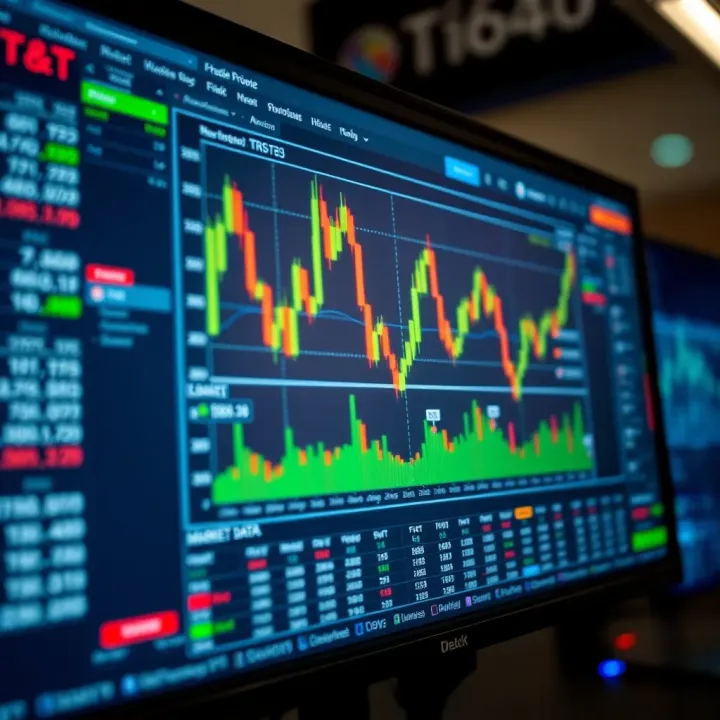
📈 Discover how to pick the best trading platform in Pakistan by comparing costs, features, security, and usability for your trading goals today!
Discover the best trading apps in Pakistan 📱! Compare features, ease of use, regulations, and support to pick the right platform for you. Start trading smart!
Based on 6 reviews