
How to Use Trading Demo Accounts Effectively
💡 Discover how to set up and use trading demo accounts effectively. Learn key features, avoid common mistakes, and gain confidence before live trading. 📈
Edited By
Edward Collins
A demo trading account is a virtual platform where you can practise buying and selling financial assets without using real money. It acts like a sandbox for traders and investors, allowing them to learn market dynamics, test strategies, and build confidence before entering the live market.
In Pakistan’s fast-growing online trading scene, demo accounts have become especially valuable for beginners. With many platforms like PSX (Pakistan Stock Exchange), forex brokers, and cryptocurrency exchanges offering demo versions, newcomers can explore without the risk of losing their savings.
These accounts mirror real market conditions with live prices, order types, and trading tools, but all trades use fictional funds. This practical experience helps users understand how price movements, order execution, and risk management work in practice.
Demo trading accounts serve as a safe testing ground — mistakes here don’t cost a single rupee but teach valuable lessons.
Opening a demo account typically requires just a few minutes and basic registration details. Pakistani traders can often access them via mobile apps or websites from popular brokers like Interactive Brokers, IQ Option, or local brokerage houses.
Some key benefits include:
Risk-free learning: Test strategies without risking capital
Familiarisation with trading platforms: Get comfortable with software interfaces
Understanding leverage and margin: See how these affect your profits and losses
Timing and discipline practice: Learn when to enter or exit markets
However, traders must remember demo accounts can't replicate the psychology of real trading — emotional pressure is lower without real money at stake. Therefore, treating demo trading seriously as if real funds were involved helps prepare better for live markets.
In Pakistan, where interest in stock and forex trading is rising, demo accounts lower barriers to entry by providing hands-on experience without financial risks. This stepwise approach equips traders with necessary skills before committing their hard-earned rupees.
Overall, a demo account is an essential starting point, whether you aim to invest in equities, currencies, or commodities. It acts as a classroom where you can make mistakes early on and hone your approach for long-term success in Pakistan’s dynamic financial markets.
A demo trading account is a virtual platform that lets you practise the buying and selling of financial assets without risking any real money. This type of account is essential for anyone stepping into the world of trading, especially in Pakistan's evolving online markets where experience with real money can sometimes lead to costly mistakes. With a demo account, you get to learn how markets operate and try out strategies in a risk-free setting.
A demo trading account offers a simulated trading environment that mirrors the conditions of real financial markets. Traders receive virtual funds, usually a fixed amount like Rs 1,000,000, to execute trades. This simulation includes live or near real-time data, allowing users to follow actual market movements without the pressure of losing money. For example, if a trader executes a buy order on the Pakistan Stock Exchange (PSX) in a demo account, it behaves like a real transaction but without financial consequences.
One major purpose of demo trading is to provide a safe space for learning. It helps beginners understand market mechanics such as order placement, margin, and leverage, while more experienced traders can test strategies or new ideas before risking capital. While it feels quite real, demo accounts differ from live trading because emotions linked to actual profit and loss are missing. The immediate impact on one’s wallet simply isn’t there, which can change a trader's behaviour.
In live trading, the real funds are at stake, which adds emotional and psychological pressure. Demo accounts shield you from this stress. This means decisions in demo mode might lack the urgency and caution present in live markets. Also, there could be differences in execution speed or slippage since demo platforms sometimes do not connect to live market liquidity pools the same way real accounts do. For instance, during high volatility, a live account may experience price gaps, but the demo account data might not capture this perfectly.
Another factor is liquidity: live trading is subject to market depth and order book dynamics, which a demo might simplify. Despite these differences, the demo environment provides critical hands-on exposure without risking financial harm.
Beginners learning to trade benefit the most. For someone in Karachi or Lahore eager to try their hand at forex or PSX shares, a demo account is the perfect training ground. You learn how to navigate the trading platform, place orders, read charts, and understand how global events influence prices.
Experienced traders testing strategies also find demo accounts valuable. Suppose a trader wants to experiment with a new intraday strategy on the KSE-100 index; they can test it first on the demo account to evaluate profitability without risking their capital. This helps refine strategies and avoid costly mistakes.
Traders exploring new platforms use demo accounts to get comfortable before switching brokers or software. For example, if a trader uses MT4 but wants to try MetaTrader 5 or a custom Pakistani brokerage app, the demo lets them test features, charting tools, and execution speeds before going live.
Using a demo trading account is a practical way to build confidence and skill in trading, whether you are just starting out or looking to polish your strategy without risking real money.
Demo accounts bridge the knowledge gap and reduce the intimidation of real trading environments. If you plan to enter Pakistan’s online trading market seriously, starting with a demo account is highly advisable.
Demo trading accounts offer a simulated environment for practising trading without risking real money. Among their key features, virtual funds and realistic trading conditions stand out as core elements that help users familiarise themselves with market operations.
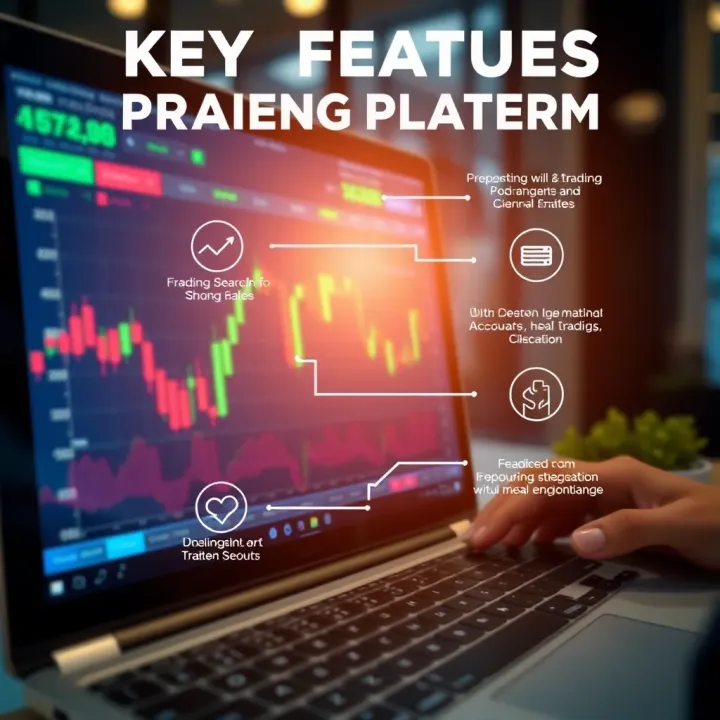
Demo accounts provide traders with allocated virtual capital – a set amount of fake money to place trades. This capital acts just like real money but without any financial risk. For example, a demo account might give you Rs 1 million in virtual funds to buy or sell stocks, forex, or commodities. This feature lets you practise executing trades and portfolio management without fear of losing cash.
Alongside virtual capital, demo accounts typically offer access to real-time or delayed market data. Real-time data reflects current market prices, enabling practice under conditions close to live trading, while delayed data can lag by a few minutes. Brokers usually specify the type of data available. Access to accurate market information is vital to test how strategy reacts to genuine price movements. In Pakistan, due to regulatory or technical constraints, some platforms may provide delayed pricing on certain assets, which traders should keep in mind.
Demo accounts include essential trading tools such as charts and technical indicators. These visual aids let traders analyse price trends, volume, and market momentum. For instance, moving averages or relative strength index (RSI) indicators help predict potential entry or exit points. Practising with these tools in a demo setting enables you to sharpen analytical skills before using them with real money.
Furthermore, demo platforms offer various order types and execution options. Traders can experiment with market orders, limit orders, stop-losses, and more. This helps them understand how different orders affect trade execution and risk. For example, placing a stop-loss order allows you to limit potential loss, something valuable to test in volatile markets before going live.
One major limitation is no emotional risk. Since the funds aren't real, traders often miss the psychological stress involved in real trading. This can affect decision-making when transitioning to live accounts because emotions like fear or greed tend to influence actual trades.
Another notable issue is the possible discrepancy from live platform behaviour. Demo trading sometimes differs from live trading due to factors like liquidity, slippage, or execution speed. For instance, sudden market spikes may be smoother on demo platforms, which rarely reflect real-world delays or price gaps. Traders should recognise this gap and use demo accounts primarily as learning and practising tools rather than exact replicas of live markets.
Overall, demo trading accounts provide a valuable, risk-free environment to learn trading mechanics, try strategies, and get familiar with tools. Understanding their features and limits ensures realistic expectations and better preparation for live trading.
Opening a demo trading account in Pakistan is a straightforward yet crucial step for anyone looking to enter the online trading world safely. It gives you a risk-free platform to understand market movements and test your strategies before investing real money. For Pakistani traders, knowing how to open such accounts with suitable brokers, fulfilling necessary formalities, and configuring the account properly is key to a smooth learning experience.
Selecting a PTA-approved broker ensures your demo account experience stays within Pakistan’s regulatory framework. The Pakistan Telecommunication Authority (PTA) oversees internet and communication services, so brokers operating under its approval offer better compliance and faster access without technical glitches caused by restrictions. For example, some local brokers licensed by the Securities and Exchange Commission of Pakistan (SECP) and recognised by PTA provide dedicated support for demo users, helping traders familiarise themselves with local market conditions.
When it comes to local versus international brokers, each has clear pros and cons. Local brokers understand Pakistan’s unique market needs, offer payment methods like JazzCash or Easypaisa for easy funding, and sometimes provide bilingual customer service. However, international brokers usually offer wider market access, including global stocks and commodities, with advanced trading platforms. If you’re just starting, a local broker might be more approachable, but experienced traders often prefer international firms for diversity and platform features.
To open a demo trading account in Pakistan, you typically need your CNIC (Computerised National Identity Card) and basic contact details. These help verify your identity and ensure compliance with local regulations aimed at preventing fraud. Providing accurate contact info, like a mobile number and email, is essential because brokers use these to send account details and updates.
Verification steps may include submitting scanned CNIC copies and sometimes a selfie for identity confirmation. This process usually completes within a day or two. Some brokers allow immediate demo account activation, but formal verification becomes necessary when shifting to live trading. These steps keep your account secure and aligned with Pakistan’s legal trading environment.
When setting up your demo account, choosing the market matters. Forex (currency trading) is very popular in Pakistan, but you can also practise stocks listed on Pakistan Stock Exchange (PSX) or commodities like gold and oil. Selecting your market early helps tailor the demo experience and makes later transition smoother. For example, if you plan to trade PSX shares, pick a demo account offering real-time data for the local market.
Configuring platform preferences includes selecting interface language, chart types, and alert settings. Some brokers offer customised views depending on user experience—beginners might opt for simpler layouts while advanced users explore all technical indicators. Proper set-up allows you to replicate actual trading conditions as closely as possible, aiding better learning and confidence.
Opening a demo account with the right broker, verified details, and well-configured settings builds a strong foundation for successful live trading later on.
By following these steps carefully, Pakistani traders can make the most of demo trading accounts and prepare for real market challenges with minimal risk.
Demo trading accounts offer a practical way for traders to learn and improve without facing real financial risks. They serve as a sandbox for testing ideas, understanding market dynamics, and gaining confidence before committing real money. For Pakistani traders—often new to online trading platforms—demo accounts provide a safe starting point to explore trading without fearing losses.
Understanding market mechanics is the first step for any newbie. Demo accounts let you experience how markets move, what affects asset prices, and timing your trades in a simulated environment. For example, a beginner learning to trade on the Pakistan Stock Exchange (PSX) can observe share price fluctuations and see how economic news impacts the market, all without risking a single rupee.
Learning order placement is another key benefit. Using a demo account, you can practise placing market orders, limit orders, stop-loss orders, and more. Getting comfortable with these helps avoid costly mistakes when trading live. Imagine trying to buy shares via a trading app like PSX Trader or EasyTrade; making errors on a demo account instead of real trades builds confidence and skills safely.
Backtesting vs forward testing are two different ways to evaluate trading approaches. Backtesting uses past market data to check how a strategy would have performed historically, while forward testing applies the strategy on live demo markets to see how it behaves in current conditions. Demo accounts make forward testing possible, which Pakistani traders can use to adapt strategies according to ongoing market changes without risking money.
Adjusting strategies without financial loss is a major advantage. Suppose you create a forex trading plan based on USD/PKR pair fluctuations; you can tweak your entry and exit points repeatedly on a demo account. This trial-and-error process helps find the best setup suited to real market moves, before risking your capital on actual trades.
Navigating software functions is essential in today's tech-heavy trading world. Demo accounts allow you to explore charts, indicators, watchlists, and portfolio tracking tools available on platforms like MetaTrader, TradingView, or local brokers’ apps. Getting used to these features improves decision-making speed and accuracy once trading with real funds.
Exploring mobile and desktop versions provides flexibility and convenience. Pakistani traders often switch between devices: a desktop at home and mobile on the go. Using demos on both helps identify any quirks or differences, such as touch responsiveness or menu layouts, ensuring smooth execution when market opportunities arise in real time.
Practising with a demo trading account builds essential skills, reduces risks, and prepares you better for the realities of live markets. It’s the closest experience to real trading without financial consequences, making it invaluable for traders in Pakistan’s growing financial ecosystem.
Using a demo trading account provides a safe space to learn, but it comes with its own set of challenges. Recognising these issues helps traders make the most of demo accounts before switching to live trading. Practical awareness is key to bridging the gap between practice and real-world conditions.
Demo trading removes the pressure of risking real money, which changes how traders feel and react. Without actual financial stakes, it’s easy to ignore emotions like fear or greed that play a huge role in real trading. For instance, Pakistani traders might find themselves placing big bets in the demo without hesitation, but hesitate or panic when real money is at stake. Knowing this difference helps traders mentally prepare and develop discipline before going live.
Moving from demo to actual trading is often the toughest step. The emotional weight of losing or gaining real funds affects decisions significantly. Starting with smaller trade sizes or lower leverage on live accounts helps ease this transition. For example, traders could initially trade with Rs 10,000 instead of a larger sum to get used to market swings. Practising risk management strategies learned in the demo while consciously controlling emotions supports smoother adaptation.
Demo accounts often show ideal market conditions but real markets are less forgiving. In live trading, liquidity may vary, causing slippage — where buy or sell orders execute at a different price than expected. For example, sudden news during Pakistan’s economic announcements can spike volatility and price gaps, which rarely reflects in demo platforms. Understanding that trades may not always fill at your desired price prepares you for real market unpredictability.
Despite limitations, traders can mimic real conditions by setting stop losses and market orders in the demo. Allocating time for simulated live market hours rather than random testing also adds realism. Pakistani traders might follow PSX market timings closely to simulate accurate market dynamics. Using these tactics helps minimise surprises when shifting to a live environment.
Clear, achievable targets in demo trading focus learning on practical skills—not just winning trades. For example, a trader might set goals like mastering limit orders, recognising chart patterns, or managing a Rs 100,000 virtual portfolio effectively. Realistic milestones encourage consistent progress rather than random practice, better preparing traders for real markets.
Trading skills improve with consistent practice and honest review of past trades. Keeping a trading journal—even for demo trades—helps identify strengths and weaknesses. Reviewing specific trades, such as those made during Pakistan’s morning market surge, reveals what worked and what didn’t. This routine builds confidence and sharpens strategy before risking actual funds.
Overcoming these demo trading challenges ensures you approach live trading equipped not just with knowledge but also with the right mindset, making your entry into Pakistan’s dynamic markets less daunting and more informed.
💡 Discover how to set up and use trading demo accounts effectively. Learn key features, avoid common mistakes, and gain confidence before live trading. 📈

🤖 Understand trading bots: their functions, benefits, and risks. Learn types, strategies, and safety tips to trade smarter and protect your investments in Pakistan.
Explore 4x trading basics and strategies in Pakistan 🇵🇰. Learn key forex terms, market workings, risk tips, and local rules to trade wisely and safely📈.
📊 Explore view trading in Pakistan: how it works, spots fake views, and its impact on digital platforms. Know the laws and ethics behind the scenes.
Based on 8 reviews