
XAU/USD Forecast Today: Gold Market Insights
Explore today’s XAU/USD forecast 📈 with insights on economic trends, geopolitical impacts, and expert tips for smart gold trading strategies in Pakistan 🇵🇰.
Edited By
Oliver Hastings
Gold has always been more than just a precious metal—it's a safeguard during financial storms and a key player in the global market. For traders in Pakistan, keeping an eye on the XAU/USD rate (the price of gold in US dollars) is vital. This value influences everything from investments to commerce.
Today, the question beating in many minds is simple: should you be buying or selling gold right now? This discussion isn’t just about guessing prices; it’s rooted in solid analysis of current market trends, economic indicators, and local circumstances.
Understanding what moves the XAU/USD rate helps you make smarter decisions, whether you're an investor, broker, or financial analyst. Throughout this article, we’ll break down the factors affecting gold’s price, methods to analyze the market effectively, and provide practical tips tailored for Pakistan’s financial landscape.
Remember, gold trading isn’t just about following the crowd—it’s grasping the bigger picture, and acting wisely based on current reality rather than just past trends.
Let’s get right to it, starting with an overview of what shapes gold prices today.
Getting a solid grasp on XAU/USD is a must for anyone trading gold or even dipping their toes into forex markets involving precious metals. This pair represents gold priced in US dollars, which is a go-to metric in global markets. Why does this matter? Because gold’s price is a benchmark for stability and economic health worldwide. For traders in Pakistan, keeping an eye on XAU/USD means staying updated on how gold’s value swings influence buying or selling decisions, especially since local rupee fluctuations tie into this dynamic.
XAU/USD is simply the ticker that shows how much one troy ounce of gold costs in US dollars. "XAU" stands for one ounce of gold on the international market, and "USD" is of course the US dollar, the currency used to price it. Understanding this quote is essential because gold is priced globally in dollars, making it easy to compare and trade across countries. For example, if XAU/USD is quoted at 1,850, that means one ounce of gold costs $1,850.
Gold prices quoted in USD serve as the universal yardstick. Since the US dollar is the dominant reserve currency, other nations and traders use this pairing as a baseline. When the dollar strengthens, gold often becomes pricier for holders of other currencies, sometimes lowering demand. Conversely, if the dollar weakens, gold can appear cheaper, boosting appeal. Traders in Pakistan need to see how changes in the USD-Rupee rate affect their gold holdings and whether it's a good time to enter or exit trades.
Gold’s reputation as a safe haven stems from its ability to hold value when markets turn shaky. When stocks dive or geopolitical tension spikes, investors flock to gold for safety. This behavior has been proven across multiple crises – for instance, during the 2008 financial meltdown and more recently amid global uncertainty around inflation rates and conflicts in key regions. For those trading XAU/USD, understanding when gold acts as a shelter helps spot potential buying opportunities.
The price of gold doesn’t float in a bubble; it’s influenced by several elements:
Interest rates: When central banks hike rates, gold becomes less attractive since it doesn’t yield interest, so prices may slip.
Inflation trends: Rising inflation often pushes gold prices up as it’s seen as a store of value.
US dollar strength: As mentioned earlier, a stronger dollar can suppress gold prices.
Supply and demand dynamics: Mining output, central bank reserves, and jewelry demand all sway prices.
Geopolitical events: Conflicts and sanctions can spike volatility, boosting gold’s safe-haven status.
Paying attention to these factors can help traders anticipate shifts in XAU/USD and make informed decisions.
Knowing how XAU/USD moves and what makes it tick empowers traders with a clearer picture of when to jump in or pull back on gold trades.
In summary, mastering the basics of XAU/USD gives Pakistani traders a solid footing to navigate gold market ups and downs, tailoring strategies that fit their unique economic climate.
Understanding what drives gold prices can make the difference between making a winning trade or ending up on the losing side. Gold, especially in the context of XAU/USD, doesn’t move randomly—it responds strongly to a few key forces. These include economic data releases, the strength of the US dollar, and geopolitical events. Knowing how these factors tick helps you get ahead of market moves instead of just chasing prices.
Gold is like a financial barometer for uncertainty and economic health. When inflation numbers shoot up or manufacturing data shows a slowdown, gold often gets a bump. For example, if the Consumer Price Index (CPI) rises faster than expected, investors might flock to gold expecting inflation to erode currency value. Similarly, weak employment figures or disappointing GDP growth can push gold prices higher as people look for safer places to park their money.
Just look at last month's US nonfarm payroll data; when the numbers missed expectations, gold prices nudged upwards by about 1%. Traders quickly react to such reports because they hint at future Federal Reserve moves. If job growth looks shaky, the Fed might hold off on raising interest rates, making gold more attractive since higher rates usually weigh down gold prices.
The US dollar and gold often share an inverse relationship. When the dollar gains steam, gold tends to lose some shine because gold is priced in dollars. If the dollar climbs, gold becomes more expensive for holders of other currencies, which tends to reduce demand. This dynamic means traders watch the US dollar index closely as a canary in the coal mine for where gold prices might head.
In recent weeks, the US dollar index has been zigzagging but with an overall modest strength due to steady economic data and the Federal Reserve's hawkish tone. This has put some pressure on gold, causing intermittent dips. However, when dollar momentum stalls or reverses, gold usually perks up quickly. Traders should keep an eye on major events like Federal Reserve meetings or key economic announcements that can cause sudden shifts.
Gold is often called a "crisis commodity" for a reason. When geopolitical tensions flare—think border disputes, sanctions, or major political unrest—investors run to gold as a safe haven. These spikes happen because gold doesn’t carry the credit risk or counterparty risk that currencies or stocks do. For example, escalating US-China trade tensions or unrest in the Middle East tend to send gold prices higher as uncertainty spikes.
Lately, conflicts in Eastern Europe and the South China Sea have caught traders’ attention, pushing gold prices up moderately. Also, concerns about inflation and debt ceiling talks in the US add to the cautious mood. This sentiment bumps the gold price because investors brace for market turbulence and look to protect wealth. Keeping an eye on the headlines and how markets react can offer clues about near-term gold price direction.
In essence, gold's price today is a tug of war between economic data, dollar strength, and global tensions. Understanding these forces helps traders and investors in Pakistan and worldwide make sharper decisions on whether to buy or sell gold in the current market.
Keep these factors in mind as you analyze XAU/USD — knowing their impact might just save you from a rough trade down the line.
Technical analysis plays a significant role in trading XAU/USD, especially for those looking to navigate the gold market's ups and downs effectively. By studying historical price movements and chart patterns, traders gain insight into potential future behavior of gold prices against the US dollar. This hands-on approach helps investors make better-timed decisions rather than relying solely on news or fundamental factors.
In practice, technical analysis can uncover momentum shifts, price strength, and potential reversal points. For example, if a trader spots a consistent upward trend confirmed by multiple indicators, they may be more confident to buy gold. Conversely, identifying a price pattern suggesting a drop can signal a good time to sell or avoid buying.
Understanding technical tools means you’re not just guessing; you’re reading the market's footprints left behind. This is especially helpful for traders in Pakistan who have limited time to follow global economic news in depth but still want an edge in predicting XAU/USD behavior.
Moving averages smooth out price data to identify the direction of a trend. For example, a 50-day moving average tracks the average closing price over 50 days, filtering out daily noise. When the gold price crosses above this average, it might indicate a bullish trend starting; crossing below could signal a downturn.
Traders frequently use the crossover between short-term (like 20-day) and long-term (like 50-day) moving averages. When a short-term average crosses above a long-term one — known as a "golden cross" — it often signals a buy opportunity. Conversely, a "death cross" hints at selling pressures building up.
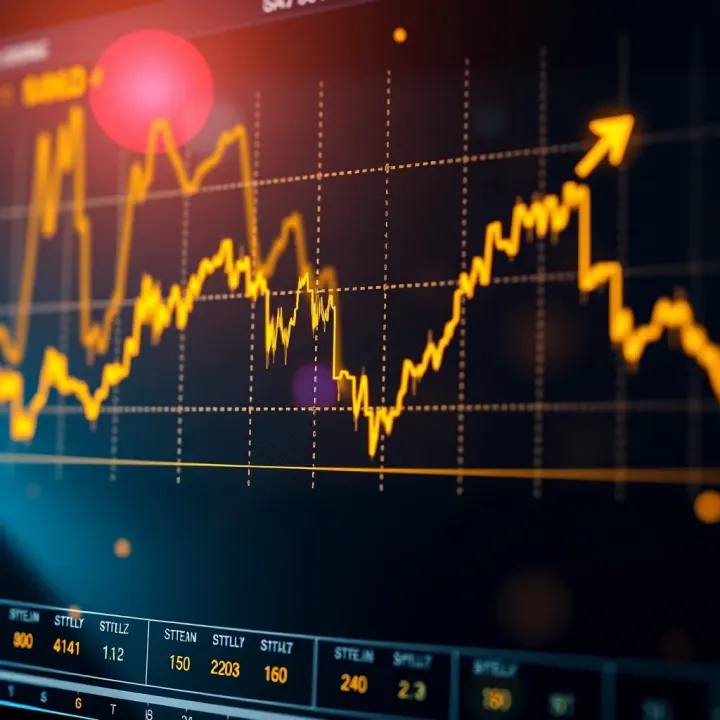
In XAU/USD, these averages help smooth jagged price movements, giving clearer guidance on trend direction.
RSI measures the momentum of price changes to identify overbought or oversold conditions. With values ranging from 0 to 100, an RSI above 70 suggests gold is overbought, signaling a possible price drop soon. When RSI falls below 30, it indicates oversold conditions, hinting that gold might bounce back.
For example, if RSI for XAU/USD spikes above 70 after a prolonged rally, a trader might anticipate a pullback and take profits. If it dips below 30 during a sell-off, that might be a buying signal.
RSI provides actionable clues about when the market may be stretched too far in one direction, aiding better entry and exit timing.
Support and resistance are price levels where gold tends to stop and reverse. Support is where buying interest prevents price from dropping further, while resistance is where selling pressure caps upward moves.
Imagine XAU/USD repeatedly bouncing back near $1,800—this level acts as support. If it struggles to break past $1,850 repeatedly, that's resistance.
Spotting these levels helps traders place stops and targets carefully. Buying near support with a stop below it reduces risk, while selling near resistance prevents holding through possible reversals. In quick-moving markets, these levels provide a clear map for trade planning.
Recognizing whether gold is in an uptrend, downtrend, or sideways range is essential. An uptrend shows higher highs and higher lows, signaling buying momentum, while a downtrend forms lower highs and lower lows indicating selling pressure.
For instance, if XAU/USD has been consistently climbing and bouncing off a rising trendline, that’s a clear uptrend. Traders often aim to ride these trends rather than fight them, entering long positions in upwards phases.
Proper trend identification helps avoid trading against the market's momentum—a common slip-up for beginners.
Reversal patterns can warn that a trend is about to change. Some common examples in gold trading include head & shoulders, double tops and bottoms, and engulfing candlesticks.
Say XAU/USD forms a double top near resistance, failing to push higher twice. This pattern hints that buyers are losing steam and a price decline may follow.
Spotting reversal signals lets traders lock in profits or prepare to switch positions.
Understanding and applying technical analysis in XAU/USD trading arms you with a practical edge. Moving averages, RSI, and support/resistance let you read the market’s story, while trend and reversal patterns guide your actions. With this toolkit, traders, especially in Pakistan, can better decide when to buy or sell gold based on what the charts say—not just what headlines shout.
Fundamental analysis plays a key role when you're trying to make sense of XAU/USD movements. Unlike technical analysis that looks at charts and numbers, fundamental analysis digs into the real-world factors that influence gold prices. This approach helps traders and investors understand why gold behaves a certain way in response to economic events or policies. In Pakistan, where gold is highly regarded both as an investment and a cultural asset, keeping a close eye on these fundamentals makes a lot of sense.
By examining the underlying economic forces, from supply and demand to central bank decisions, traders can better anticipate price shifts instead of just reacting to patterns. For example, if you know that a major gold producer is facing mining disruptions or that global investment interest in gold is rising, you gain a clearer picture of the supply-demand balance. This insight can offer an advantage when deciding whether to buy or sell.
Gold supply isn't unlimited, and this scarcity is a major price driver. Take South Africa and Russia—two significant gold producers. If mining output in these countries drops due to labor strikes or technical challenges, gold availability tightens, pushing prices upward. Conversely, discoveries of new gold reserves or improved mining technology can increase supply over time, potentially softening price hikes.
For traders in Pakistan, understanding these global production changes is crucial. Even small shifts in output ripple through the market because gold is heavily traded internationally. Plus, countries like Saudi Arabia or China adjusting their gold reserves for strategic reasons can affect global supply-demand dynamics.
Investment demand can swing gold prices dramatically. During times of uncertainty—like economic slowdowns or geopolitical tensions—investors flock to gold as a “safe place to park money.” For instance, after the COVID-19 outbreak in early 2020, gold saw a surge in demand globally including from Pakistani investors looking to hedge against currency risks.
On the flip side, when stock markets perform well and interest rates rise, demand for gold tends to dip because investors chase higher returns elsewhere. Keeping tabs on global investment trends, including ETFs and central bank purchases, helps traders anticipate these shifts.
Interest rates set by central banks, especially the US Federal Reserve, heavily influence gold prices. When interest rates go up, gold often takes a hit because it doesn’t pay interest or dividends, and higher rates make bonds or savings accounts more attractive. For example, the Fed's rate hikes in 2022 put pressure on gold prices as investors favored yield-bearing assets.
For traders in Pakistan, this means watching announcements closely. Even though Pakistan’s own rates matter regionally, the Fed’s decisions usually set the tone for the dollar and thus XAU/USD.
Beyond rates, the broader monetary stance—like quantitative easing (QE) or tightening—shapes gold’s appeal. QE, which involves pumping money into the economy, can weaken the US dollar and boost gold prices as investors look to preserve value. When central banks signal tightening, gold’s shine can dim.
A practical example is the European Central Bank’s moves during economic crises: easing programs often lifted gold prices, while tightening cooled them down. Pakistani traders should keep an eye on these policies globally since they influence currency strength and inflation expectations.
Understanding these fundamental forces isn't just academic; it equips you to see the bigger picture and avoid gut reactions. Combining this insight with local knowledge helps Pakistani traders make more grounded buying or selling choices in the XAU/USD market.
Market sentiment often sets the stage for short-term moves in gold prices, especially for the XAU/USD pair. Understanding what traders and analysts feel about gold right now can give you an edge—it's like reading the room before stepping in. Expert opinions, on the other hand, provide deeper insight into those feelings, pointing out what might not be obvious in price charts or economic data. Both are essential because, no matter how solid the technicals look or how favorable the fundamentals seem, if the crowd's mood shifts, gold prices can follow swiftly.
Most market analysts currently lean towards a cautiously optimistic view on gold buying, citing ongoing inflation concerns and continued geopolitical tensions as key drivers. For example, several reports from firms like JPMorgan and UBS suggest that gold might test higher ranges this quarter, assuming inflation doesn't quickly cool off. This consensus acts as a practical guidepost, helping you gauge where the majority sees the market heading without blindly following the crowd. Understanding consensus forecasts lets you balance your own analysis with broader market expectations, so you aren't caught off guard by sudden moves.
Not all experts see the same picture, though. Some argue that with the US Federal Reserve's recent rate hikes and stronger dollar, gold prices could slip or plateau. They point to past episodes where rising interest rates doused gold’s appeal since it yields no income. These differing views are important because they remind traders not to bet everything on a single narrative. By considering various viewpoints and the reasons behind them, such as shifting monetary policies or unexpected economic data, you can better navigate potential volatility and adjust your trades accordingly.
Positioning data shows how traders are placing their bets on gold futures and options, revealing if the market is largely bullish or bearish. For example, the Commodity Futures Trading Commission’s (CFTC) Commitment of Traders report tracks if speculators are net-long or net-short. A high volume of long positions might indicate strong bullish sentiment but also warns of possible overcrowding, which could lead to a price pullback if the mood changes. Keeping an eye on this data allows you to time your entries and exits more sensibly, avoiding getting caught in crowded trade setups.
Investor confidence is a bit like the market’s emotional temperature. Surveys like the AAII Investor Sentiment Survey and measures such as the Volatility Index (VIX) indirectly impact gold demand since gold is a go-to when confidence drops. In periods when investors feel jittery, gold often shines, lifting prices. Conversely, when confidence soars and equities rally, gold might lose some luster. Monitoring these confidence gauges gives you clues about market risk appetite, helping you decide whether to lean on gold as a safety net or shift your focus elsewhere.
Keeping a finger on the pulse of market sentiment and expert opinion doesn’t guarantee profits but equips you with perspective, reducing surprises when the market takes an unexpected turn.
By weaving together analyst forecasts, differing viewpoints, and sentiment indicators, traders in Pakistan and beyond can develop a clearer understanding of the present conditions in the XAU/USD market. This makes for more informed decisions, whether buying or selling gold, tailored to what the broader market mood suggests.
In the fast-moving world of XAU/USD trading, having a clear strategy isn’t just helpful — it’s essential. Gold prices don’t just shift overnight for no reason; they're influenced by a mix of economic data, geopolitical events, and market psychology. Traders who understand when and how to act can avoid costly mistakes and potentially make better profits.
Applying effective trading strategies lets you capitalize on market movements rather than being caught off guard. For example, knowing when to jump in or hold back can mean the difference between riding a trend and getting stuck with losses. These strategies also help you manage risks — crucial when dealing with an asset as volatile as gold.
Pinpointing the right entry points is like waiting for the green light at a tricky intersection. It’s all about timing. A smart trader watches for several signs: gold prices near strong support levels, a drop in the US dollar strength, or positive shifts in economic uncertainty. Tools like the Relative Strength Index (RSI) dropping below 30 can hint gold is oversold and due for a bounce.
For instance, if inflation data in the US comes in higher than expected, gold often jumps as investors look for a hedge. Plunging gold prices after such news might be a good moment to buy before the market corrects itself.
Not every dip is a signal to buy, so it's important to spot the bigger picture. Buying gold usually makes sense when:
The US dollar is weakening, making gold cheaper for international buyers.
Economic uncertainties rise (think inflation worries, political instability).
Interest rates are low or expected to fall, reducing the opportunity cost of holding non-yielding assets like gold.
An example is the 2023 period when persistent inflation and softer dollar values prompted a rise in gold buying globally. Traders who acted early seized good gains.
Exiting gold trades can often be trickier than entering. Look for signs like gold hitting well-established resistance levels or the RSI above 70, indicating the asset is overbought and might see a pullback. Other flags include a strong dollar bounce or hawkish statements from the Federal Reserve signaling rising interest rates.
Say gold surges quickly after a geopolitical flare-up but then stalls near $2,000 per ounce several times, it might be time to lock in profits rather than gamble on further gains.
Keep in mind, holding onto gold for too long carries risks. For starters, rising interest rates increase bond yields, making gold less appealing because it doesn’t pay interest. If global growth picks up strongly, investors might shift back into stocks and riskier assets, dropping gold prices.
Also, sudden shifts in currency markets can erode gains for traders dealing in XAU/USD. For example, an unexpected dollar rally can pull gold prices down swiftly.
To sum up, buying and selling gold requires more than gut feeling — it needs well-thought-out strategies based on market cues and risk management. No one-size-fits-all, but knowing the signals can help you stay a step ahead in the gold trading game.
By keeping an eye on these entry and exit points, and understanding the market conditions that favor buying or selling, traders can better navigate the ups and downs of the XAU/USD pair. For Pakistani traders, this is crucial in a landscape where currency fluctuations and local regulations add an extra layer of complexity.
Trading gold against the US dollar in Pakistan comes with its unique set of challenges and opportunities. For traders, keeping an eye on local rules and market conditions can make a big difference. Practical advice tailored to Pakistan’s environment helps traders navigate complexities like import controls and tax rules, while also pointing them toward trustworthy platforms and brokers. This section aims to provide clear, usable guidance so that investors can make informed decisions without tripping over local snags.
Pakistan has some strict regulations surrounding the import of gold. Commercial traders must often deal with hefty licensing procedures, import quotas, and conditions imposed by the State Bank of Pakistan and the Federal Board of Revenue. For instance, importing large quantities of gold bars or coins without following those rules can lead to penalties or seizure of assets. These controls help the government regulate foreign exchange but present a hurdle for traders hoping to move gold across borders quickly.
For practical purposes, it’s important to:
Understand the current rules on import limits and documentation from official announcements.
Work with licensed dealers or importers who know the ropes.
Factor in the time delays caused by customs and paperwork in your trading strategy.
Ignoring these can stall your trades or lead to unexpected costs, so always start by checking current regulations before planning any purchase or sale involving physical gold.
Gold trading in Pakistan is subject to specific tax policies that can affect your bottom line quite directly. Capital gains tax comes into play when selling gold assets, and in some cases, sales tax is applied on transactions. For example, traders holding gold for less than a year can face higher tax rates compared to those who hold for longer periods.
Key points to consider:
Keep detailed records of purchase dates, amounts, and sale proceeds to correctly calculate capital gains.
Be aware of the Federal Board of Revenue’s updates on taxes related to precious metals.
Consult with a tax advisor to optimize your strategy and avoid costly mistakes.
Understanding these tax rules upfront can make your trading more predictable and help with long-term planning.
When trading XAU/USD online, especially in Pakistan, the platform you choose can either protect your investment or expose you to risks. Security is king here: look for brokers with strong encryption, two-factor authentication, and a solid track record of handling customer funds safely. Avoid platforms that lack transparency or have vague fee structures.
Fees can eat into profits. Watch out for:
Spread differences between buy and sell prices
Commissions per trade
Withdrawal and deposit charges
Platforms claiming extremely low fees might be cutting corners somewhere else. Balance cost with reliability and customer support, especially considering possible issues like currency conversion fees when operating in PKR.
Several brokers are favored by local traders for their service quality and ease of use. Among the names often recommended are:
MetaTrader 4 and MetaTrader 5 platforms offered by several Pakistani-regulated brokers
XM Broker, popular for flexible account types and educational resources
IG Markets, known for robust security and international reputation
Alpari, which provides decent trading conditions and direct access
These choices reflect a good mix of local familiarity and global standards, making them practical starting points for traders entering the XAU/USD scene.
Tip: Always test a demo version before committing real funds to any trading platform.
In short, practical steps like staying up to date on import rules, understanding tax implications, and picking the right broker can all add up to smoother gold trading in Pakistan. This local awareness prevents nasty surprises and builds confidence for taking on the volatile gold market against the US dollar.
Explore today’s XAU/USD forecast 📈 with insights on economic trends, geopolitical impacts, and expert tips for smart gold trading strategies in Pakistan 🇵🇰.
📈 Learn when to buy or sell XAU/USD in forex trading. Understand gold vs US dollar trends, key factors, and strategies for Pakistan traders. 💰
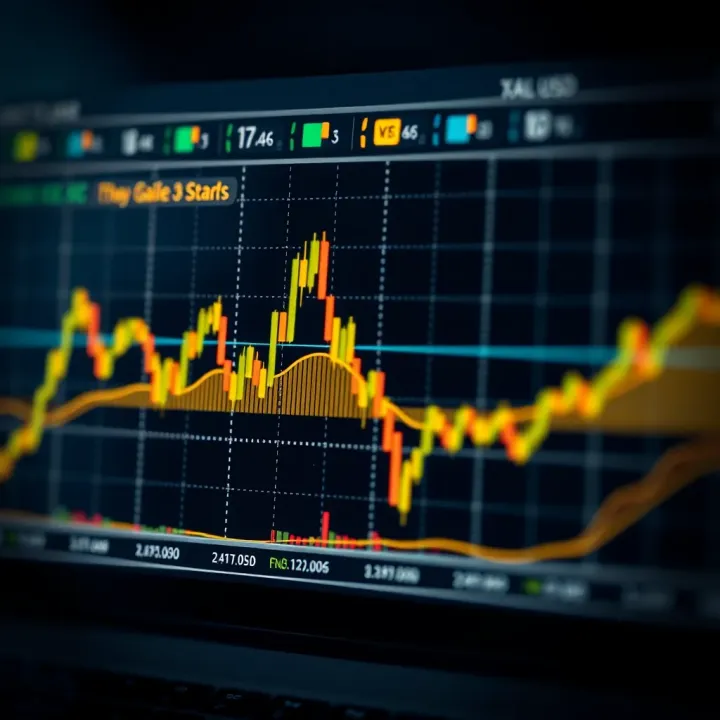
📊 Discover how technical analysis reveals XAU/USD gold price moves using charts, indicators, and key patterns. Learn to spot trends and factor in events for smarter trading in Pakistan.
Explore XAU/USD trading signals 📈 to understand gold price moves against USD. Learn key signals, tips, and strategies tailored for Pakistani traders 🇵🇰.
Based on 14 reviews