
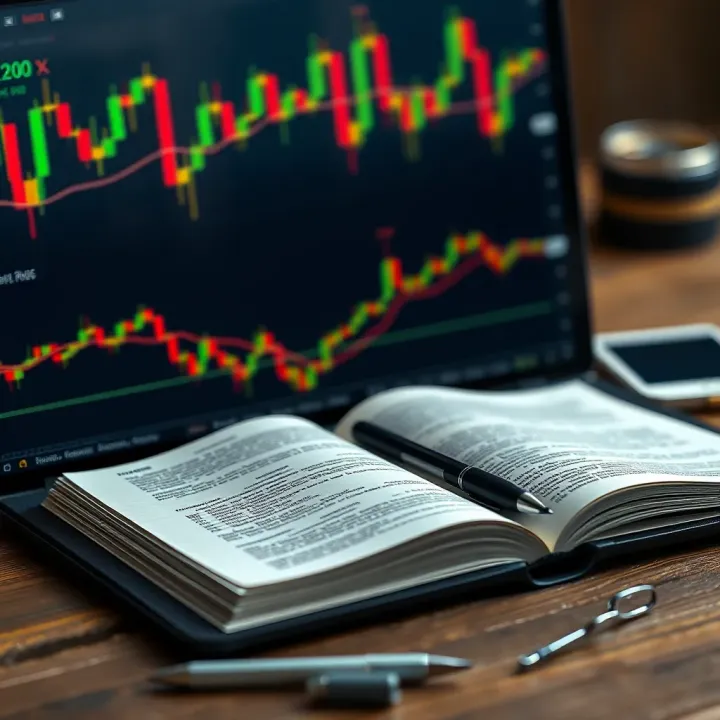
Top Trading Books in PDF for Skill Improvement
📚 Explore top trading books in PDF to sharpen your skills! Learn where to access them legally, pick the right ones, and apply tips easily.
Edited By
Henry Lawson
If you're serious about trading, you know that solid knowledge is your best ally. Trading books give you insights that go beyond quick tips or surface-level advice. But let’s be honest, finding good trading books in PDF format isn’t always straightforward, especially when you want reliable, legal copies.
This guide is all about cutting through the confusion. We'll walk you step-by-step on how to find trustworthy PDF trading books, what to watch out for, and how to make them work for you. Whether you trade stocks from Karachi or invest in commodities from Lahore, having the right resources at your fingertips can make a real difference.
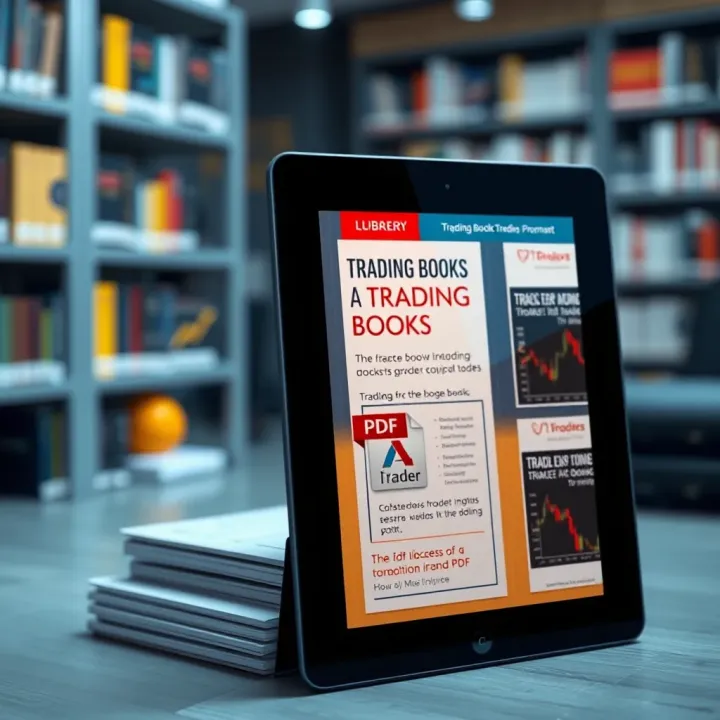
Throughout this article, we’ll touch on why reading trading literature matters, where to get legitimate PDF downloads, and how to use these materials practically in your trading routine. It’s designed to save you time, keep you within legal boundaries, and boost your trading skills all at once.
Accessing solid knowledge is like having a trading edge before you even start making trades.
Let’s dive in and set you up with a roadmap to leveraging these valuable resources efficiently and smartly.
Trading books play a significant role for traders who want to sharpen their skills and boost their understanding of the markets. Unlike quick tips or snippets of information, trading books provide a well-rounded view that helps traders think more clearly and trade smarter. For someone working in Pakistan’s growing financial markets, leveraging these resources is a step towards better decision-making and risk control.
Trading books pack years of experience, detailed explanations, and tested strategies into one accessible format. For example, a trader reading "A Beginner's Guide to Forex Trading" by Matthew Driver can grasp the fundamentals of currency pairs and market behaviors before risking real money. The advantage of books is that they allow readers to pause, reflect, and revisit complex ideas at their own pace.
The practical benefits are clear — rather than jumping blindly into trades, informed traders can anticipate market moves, understand technical signals, and adapt to changes methodically. This foundational knowledge helps avoid costly mistakes that come from acting purely on guesswork or hearsay.
Trading books provide structured and comprehensive information that raw market data or short articles can’t offer. They cover everything from basic concepts like supply and demand to intricate topics such as candlestick patterns and breakout strategies. This depth is essential for traders who want to develop a solid grasp of market mechanics.
For instance, books like "Technical Analysis of the Financial Markets" by John Murphy break down complex charts and indicators into understandable chunks. A trader can learn to identify trends and reversals, which improves market timing and decision-making.
Risk management separates successful traders from those who burn out fast. Trading books teach proven strategies on how to size positions, set stop losses, and control emotions—elements often overlooked by beginners.
"Trading for a Living" by Dr. Alexander Elder explains how to blend psychology, technical analysis, and risk control for better outcomes. By following these concepts, traders can create a plan to protect their capital and strike a balance between risk and reward.
With trading books, readers gain tools to analyze markets thoughtfully instead of reacting impulsively. Analytical skills include interpreting charts, reading volume, and assessing news impact on prices.
Books focus on cultivating patience and discipline, two critical traits for analyzing data without bias. For example, studying Elliott Wave Theory from Robert Prechter’s work helps traders understand market cycles and prepare accordingly.
Technical analysis is often the first step beginners take, and many books cover this extensively. It involves using price charts and indicators like moving averages or RSI to forecast future price moves.
Understanding these basics enables traders to pinpoint entry and exit points more accurately. A practical tip from "Japanese Candlestick Charting Techniques" by Steve Nison is how to spot bullish or bearish reversals, which can be a game-changer in timing trades.
While technical analysis looks at price patterns, fundamental analysis digs into economic factors, company financials, and news events. This type of analysis helps traders understand the "why" behind price movements.
Reading books like "The Intelligent Investor" by Benjamin Graham equips traders to evaluate asset values and market sentiment. This approach is especially useful for longer-term investment decisions common in Pakistan’s stock exchange.
The mind is often the biggest hurdle for traders. Books dedicated to psychology discuss managing fear, greed, and discipline—emotions that frequently derail trading plans.
Mark Douglas’s "Trading in the Zone" is a classic that addresses how to build a mindset for consistent trades. It teaches readers to accept losses and keep emotions in check, which is crucial to avoid panic selling or impulsive buying.
Algorithmic trading brings technology into the picture, where trades are executed by automated systems based on predefined rules. Books on this subject detail how to design, test, and deploy algorithms.
For those interested in quant strategies, "Algorithmic Trading" by Ernest P. Chan provides a practical introduction. This topic can be complex but offers an edge to traders looking to blend coding skills with market analysis.
Trading books are more than just information sources—they’re guides that build the trader’s mindset, sharpen skills, and offer strategies to navigate different market conditions confidently. They transform learning from random searching to structured mastery.
When it comes to learning trading effectively, having access to trustworthy trading book PDFs is a must. You can’t build a solid foundation if the material you're reading isn’t reliable or up-to-date. Finding reliable sources isn’t just about convenience; it ensures you're getting accurate insights and protecting yourself from legal troubles. In Pakistan, where digital piracy is widespread, knowing where to look for legitimate PDFs is a vital skill—both for safeguarding your devices and respecting intellectual property rights.
One of the best ways to get legit trading books is through reputable platforms dedicated to eBooks and educational content. Websites like Google Books, Amazon’s Kindle Store, and Scribd offer various trading titles in PDF or other digital formats. These platforms guarantee that the PDFs you download are authorized by the authors or publishers, meaning the content is verified and safe from tampering.
For example, Amazon regularly offers promotions on popular trading books like "A Beginner's Guide to Forex Trading" by Matthew Driver. Purchasing or downloading these from known platforms ensures you're supporting the authors and getting quality content.

Sometimes the quickest way to get a reliable copy of a trading book is directly from the publisher’s official website. Big names like Wiley, McGraw-Hill, and Pearson often host limited-time free downloads or sample chapters especially when a new edition is out. These promotions not only give quick access but also keep you aligned with updated versions—key in a fast-moving field like trading.
For instance, Wiley frequently promotes "Technical Analysis of the Financial Markets" by John J. Murphy with sample chapters on their site, allowing readers to get a feel for the content before buying.
Downloading pirated copies might seem tempting because they cost nothing, but there are catches. These files often contain outdated or incorrect information, which can mislead your trading decisions. Worse, pirated PDFs can carry malware, spyware, or ransomware that messes with your device or steals sensitive data.
Imagine spending hours studying a book you found on an unauthorized site, only to realize the strategies are outdated or outright wrong. That not only wastes your time but harms your trading capital if applied.
Before hitting the download button, scrutinize the source. Reliable sources usually have a professional design, clear contact info, and positive user reviews. If a website looks sketchy or demands too much personal info upfront, it's a red flag.
For instance, PDFs from educational institutions, official book stores, or recognized financial education portals tend to be more credible. Cross-check the author’s credentials and confirm the book’s ISBN number against official records if uncertain.
Even some legitimate-looking PDFs can carry malicious code. To stay safe, keep your antivirus software updated and scan all files before opening. Use tools like Malwarebytes or Norton Security regularly.
Another good practice is downloading files on devices that don’t hold sensitive data or using a sandboxed environment to open unknown PDFs. This keeps your main system shielded from potential threats.
Remember: Taking a few extra seconds to verify your source and scan downloaded files can save you headaches down the line, both legally and technically.
By sticking to authorized websites, double-checking credibility, and being cautious of unsafe files, you’ll build a reliable library of trading books that will actually help you sharpen your skills without putting your devices or conscience at risk.
Downloading trading books in PDF format can open up a treasure trove of knowledge—but it comes with its own share of risks if not done carefully. Traders, analysts, and investors must ensure that the files they're grabbing are legitimate, safe, and easy to manage. This section sheds light on practical steps to protect your device from malware, avoid time-wasting corrupted files, and keep your digital library well-organized.
Before hitting that download button, you wanna double-check the file type and size. PDFs usually range between a few hundred kilobytes to several megabytes depending on the book's length and complexity. A trading book packed with charts, images, and tables could be slightly larger, so if you spot a PDF that's just a few KB, it might be incomplete or even a fake. Also beware of suspicious file extensions—sometimes malware is disguised under names like "book.pdf.exe," so look carefully.
Being mindful of this helps avoid headaches from corrupted downloads or, worse, viruses sneaking into your system. For example, when downloading from Khan Academy’s financial section or the CFA Institute’s digital library, the file sizes are consistent and predictable, making it easier to spot anomalies.
Download managers can be real lifesavers, especially if your internet connection plays tricks or you’re downloading sizable books. These tools pause and resume downloads without starting over, manage multiple files, and reduce the chances of incomplete downloads.
Free managers like Internet Download Manager (IDM) or Free Download Manager (FDM) work smoothly on Windows. They come with browser integration, which means once you click a download link for a PDF, the manager takes over—keeping everything neat and tidy. This is especially helpful if you’re grabbing multiple books at once from an academic portal or publisher’s site.
Once the PDF lands on your device, don’t just throw it anywhere. Make sure to save your trading books in dedicated folders labeled clearly, say “Trading Fundamentals” or “Technical Analysis.” This little habit saves tons of time searching later.
Also, back up important files to cloud services like Google Drive or OneDrive. This adds a layer of security in case your device crashes or some digital gremlin strikes.
Pro tip: Avoid opening PDFs directly from your browser's temporary download folder. Always save first, then open using trusted PDF readers like Adobe Acrobat or Foxit Reader with built-in security features.
If you want trustworthy material that’s free or part of your institution’s subscription, academic libraries and educational portals are a gold mine. Universities often provide access to platforms like JSTOR, Springer, or Wiley Online Library where you can legally download PDFs of trading and finance books.
For instance, a student registered at the Lahore University of Management Sciences (LUMS) might have privileged access to a vast collection of texts relevant to trading strategies and market theory. Leveraging these resources ensures you're learning from credible, peer-reviewed materials.
Pakistan has started embracing digital libraries which offer a variety of resources, including trading books. Websites like the Pakistan Research Repository or the National Digital Library of Pakistan provide access to PDFs that you can download legally.
This matters a lot because local repositories sometimes host books relevant to our regional financial markets, which might not always be available on global sites. You get access to resources enhancing your understanding of local market conditions, regulations, and investment instruments.
In a nutshell, pair the right tools and trusted portals, and you’ll have a smooth, safe, and productive journey downloading your trading books in PDF format.
Trading PDFs are a treasure trove for anyone aiming to sharpen their skills in the markets. But simply downloading a PDF isn’t enough; knowing how to manage and interact with these digital materials can make a huge difference. By organizing your files neatly and applying smart reading habits, you turn passive reading into active learning, which sticks with you far longer. For example, instead of skimming a trading strategy book once, using these methods lets you quickly revisit crucial points or compare ideas across texts with ease.
Keeping your collection of trading books tidy saves time and stress. Imagine hunting for a specific strategy book only to find it mixed up with unrelated files—that wastes momentum.
File naming conventions are your first line of defense here. Name files clearly and consistently. A practical format might be AuthorName_BookTitle_Year.pdf or TradingTopic_Author.pdf. This way, you can sort files alphabetically or by topic without much hassle. For instance, "Murphy_TechnicalAnalysis_1999.pdf" is way easier to spot than "book1.pdf" or something vague.
Next up, using PDF readers with annotation tools takes your study sessions to the next level. Applications like Adobe Acrobat Reader, Foxit Reader, or even lighter apps like Xodo allow you to highlight, underline, or add comments directly on the pages. When you highlight the setup of a moving average crossover or underline risk management rules, it sticks in your mind better and you spend less time flipping through pages later.
Lastly, creating topic-based folders organizes your PDFs by subject or trading style. For example, you might have separate folders for "Technical Analysis," "Trading Psychology," and "Algorithmic Strategies." This compartmentalization not only cleans up your digital space but also sharpens your focus when revisiting materials tied to a specific theme.
Grabbing a PDF and reading it cover to cover might sound productive, but trading knowledge benefits immensely from a more active approach.
Highlighting key points helps you zero in on the must-know information. Instead of marking entire paragraphs, focus on formulas, essential definitions, or insight about market behavior. If you’ve downloaded a guide on candlestick patterns, for instance, highlight the distinct shapes that predict market turns.
Alongside highlighting, taking notes effectively plays a pivotal role. Don’t just jot down what's in the book—put things in your own words, make quick summaries, or draw simple diagrams explaining concepts. Using a note-taking app or a dedicated trading journal with digital copies linked to your PDFs can keep thoughts organized and accessible.
Finally, reviewing concepts regularly cements the knowledge. Schedule brief sessions each week to run through your highlights and notes, adjusting strategies as you learn more from real trades. This habit helps keep theoretical insights fresh so you’re ready to apply them rather than letting them fade into forgotten background noise.
Making the most out of your trading PDFs means treating them as active tools, not just passive reading material. With thoughtful organization and deliberate engagement, they become powerful allies in your trading journey.
Incorporating trading books into your everyday learning keeps your knowledge fresh and sharp. These books aren't just piles of theory; they offer practical insights that can shape your understanding and behavior in actual trading environments. By weaving reading into your daily routine, you stay updated on market trends, improve decision-making, and gradually build confidence to navigate the ups and downs of trading.
You can’t learn trading solely from books, but they should be your roadmap. After reading about a strategy, test it on a demo or small account. For example, if a book explains moving averages to identify trends, try setting those up in your trading platform. Watch real-time how they signal entry or exit points. This hands-on practice builds muscle memory and helps you see where theory matches real market behavior — and where it needs tweaking.
Keep a trading journal alongside your reading. Every trade based on a concept from your books should include notes on what worked or didn’t. Were the signals clear? Did you follow the strategy or get swayed by emotions? Over time, this journal reveals patterns unique to your style and market. You’ll find which chapters or strategies from your PDFs actually make a difference, which is pure gold for evolving your approach. Try using tools like Excel or specialized apps for simple performance tracking.
Reading alone can be isolating, but discussing what you've learned can deepen understanding. Join local or online trading groups, for instance, Pakistan Stock Market forums or Telegram groups focused on trading books and strategies. Share interesting points or questions from your reading. Sometimes, explaining concepts to others helps you grasp them better, and you might hear different takes you hadn’t considered.
The market isn’t one-size-fits-all, so feedback is invaluable. When you present your takeaways or trades linked to a book’s concept, others can offer critiques or affirmations based on their experiences. This feedback loop guards against biases and blind spots in your learning. Whether in formal study groups or casual chats, listening to varied perspectives will broaden your understanding beyond the text.
Regularly mixing reading, doing, sharing, and reviewing forms a cycle that greatly enhances trading skills far beyond what solo reading achieves. It turns static knowledge into active, practical wisdom.
Understanding the legal side of downloading and sharing trading books in PDF form is essential—especially if you want to stay on the right side of the law while building your trading knowledge. Many traders don’t realize that while accessing free PDFs might seem convenient, it can lead to trouble if the source isn’t authorized. In Pakistan, laws around digital content are tightening, so being aware of intellectual property rights isn't just about morality—it’s about avoiding fines or worse.
In Pakistan, copyright laws protect authors and publishers, meaning you can’t freely download or share copyrighted trading books without permission. The law covers both physical and digital copies, so grabbing a PDF from a random website often violates these rules. However, there is fair use—a principle allowing limited use of copyrighted material without consent, mostly for educational and research purposes, but this is narrowly defined. For instance, making a single copy for your personal study generally falls under fair use, but distributing that PDF to others does not.
It’s important for traders to verify whether a PDF is legally shared. Websites like the Pakistan National Digital Library or authorized publishers often provide legal free downloads or affordable options. Keeping within these boundaries protects you and ensures authors continue creating valuable content.
Giving credit and respecting author rights isn’t just about being nice—it’s about supporting those who put in time to craft insightful trading books. Authors rely on the income from their work to keep producing more guides and strategies. When traders choose legitimate sources, they’re investing in the future of trading education.
If you come across a useful trading PDF, rather than sharing it illegally, recommend others to buy from authorized platforms or borrow from libraries. This approach fosters a community that respects intellectual property and promotes sustainable learning.
The risks of downloading pirated trading books go beyond just a slap on the wrist in Pakistan. Authorities are increasingly vigilant, and fines or legal action can follow if caught distributing or using pirated content. These penalties aren’t to be taken lightly—they can disrupt your focus and finances, which is the opposite of what traders need.
Moreover, illegal downloads often come bundled with malware or viruses, putting your device and personal data at risk. So, it’s wise to steer clear of sketchy downloads not just for legal reasons, but for your own digital safety.
Trading, by nature, demands discipline and ethics—not just in the market but also in how you learn the craft. Using pirated books clashes with these values and undermines the effort of those who contribute to the trading community.
Choosing to acquire trading education through fair means reflects well on your integrity and supports a culture where quality learning materials remain available and affordable. It's a small step for each trader but a big push for the community as a whole.
Staying legal and ethical in accessing trading materials isn't just about rules—it's about building a trustworthy foundation for your trading career.
By keeping these legal considerations in mind, you ensure your trading education journey is both effective and respectful of the rights of content creators. This practice benefits not only you but the wider trading ecosystem in Pakistan and beyond.
📚 Explore top trading books in PDF to sharpen your skills! Learn where to access them legally, pick the right ones, and apply tips easily.
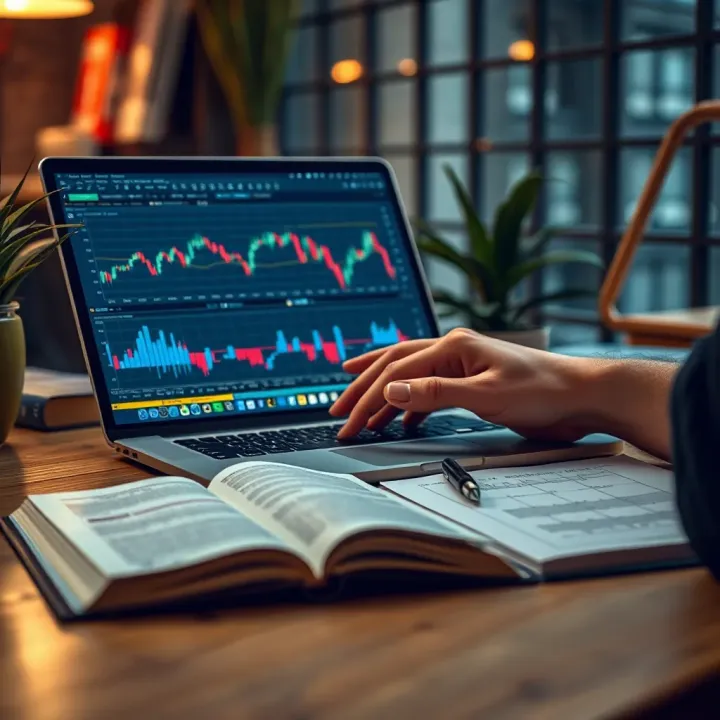
📚 Discover the best trading books in PDF format, find reliable sources, learn key strategies, and get tips to trade smarter. Stay legal, informed, and ahead!
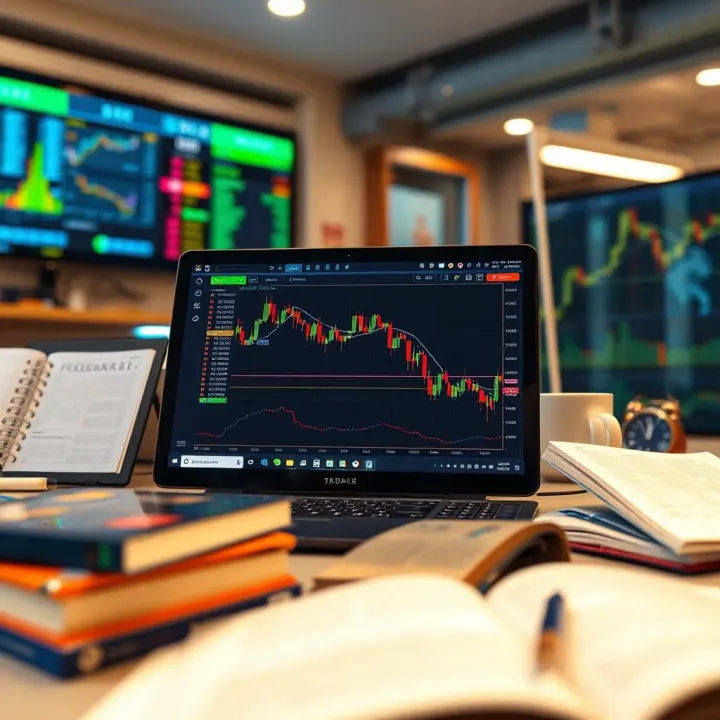
📚 Explore top trading PDF books in Pakistan! Learn strategies, spot reliable resources, and apply tips to boost your trading skills effectively.

📚 Discover easy ways to find free PDF trading books tailored for Pakistan traders. Learn where to get them legally and boost your trading skills today!
Based on 5 reviews