

USD to PKR Exchange Rate Forecast and Key Factors
Explore key factors shaping USD to PKR exchange rate 📉🔍, from economic data to political moves, plus what to expect for the Pakistani rupee 💵📈.
Edited By
Sophia Mitchell
Understanding the exchange rate between the Pakistani Rupee (PKR) and the US Dollar (USD) requires looking beyond daily market fluctuations. This section provides a clear overview of what drives the PKR to USD rate and what factors traders, investors, and financial analysts should watch.
Pakistan’s currency value is influenced by multiple factors, including economic policies, trade balances, foreign reserves, and geopolitical events. For example, an increase in imports without matching exports tends to put downward pressure on the PKR, causing it to depreciate against the USD. Conversely, strong remittances inflow or a rise in foreign direct investment (FDI) can support the rupee’s value.
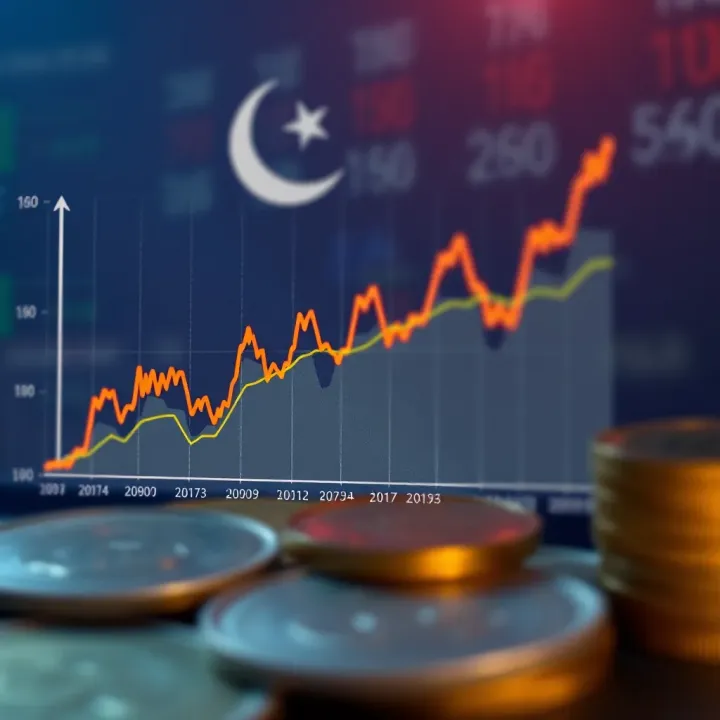
Historically, the PKR has experienced bouts of volatility linked to political uncertainty and economic reforms. The role of the State Bank of Pakistan (SBP) in managing interest rates and intervening in the forex market remains critical in stabilising the currency. For instance, SBP adjustments to the policy rate can attract foreign investment or ease inflation, directly impacting the PKR’s strength.
Exchange rate forecasts often incorporate:
Economic indicators: inflation rate, current account deficit, foreign exchange reserves
Government policies: fiscal discipline, subsidy reforms, trade agreements
Global factors: US dollar trends, oil prices, and regional stability
For any business or investor dealing with Pak rupees and USD, keeping an eye on these factors helps minimise risk and make timely decisions.
To navigate currency shifts effectively, it’s essential to monitor timely SBP updates, FBR policies affecting trade, and international market movements. This provides a foundation to understand how the PKR might move against the USD in the near term and beyond.
By grasping these basics, you can better prepare for currency risk management, whether dealing with import-export contracts, remittances, or investment portfolios involving the PKR and USD."
Exchange rates don’t move in isolation; a variety of factors shape how the Pakistani Rupee (PKR) performs against the US Dollar (USD). Understanding these influences helps traders, investors, and analysts make better decisions. These factors include Pakistan’s economic health, monetary policy choices, and external global pressures, each playing a role in exchange rate swings.
Pakistan’s Gross Domestic Product (GDP) growth signals the overall economic vitality. Strong growth tends to boost investor confidence, supporting the PKR against the USD. For instance, if GDP grows at 5%, it shows more production and consumption, attracting capital flows that prop up the currency. Conversely, high inflation erodes purchasing power, often pushing the central bank to increase interest rates, which can slow growth and weaken PKR.
A persistent trade deficit – where imports exceed exports – drains foreign currency reserves and pressures the PKR downward. For example, Pakistan importing more oil than it exports textiles creates demand for USD, weakening PKR. Addressing the current account deficit through export promotion or remittance inflow is key to stabilising the exchange rate.
FDI brings long-term capital into Pakistan, signalling foreign confidence in the economy. When FDI rises, it means dollars are flowing in to build factories, infrastructure, or services, supporting the PKR. In 2023, an uptick in FDI towards the tech and renewable energy sectors helped cushion currency pressures temporarily.
The central bank’s actions directly influence the PKR. If SBP raises interest rates to tackle inflation, it may attract foreign capital seeking higher returns, supporting the PKR. However, sharp hikes can slow economic activity. Policy announcements ahead of budget season often cause immediate exchange rate adjustments.
The spread between SBP’s rates and US Federal Reserve rates affects capital movement. If US rates rise faster, investors shift funds out of PKR assets into USD, weakening the rupee. Maintaining competitive interest rates in Pakistan is crucial to retain foreign investment and reduce capital flight.
SBP aims to keep inflation in check—usually around 6-7%. High or fluctuating inflation reduces currency value and complicates forex forecasting. A stable inflation environment promotes confidence in PKR and lowers exchange rate volatility, which traders and businesses appreciate.
Since USD is the reserve currency worldwide, its strength versus other currencies heavily influences PKR. When the dollar gains on global markets due to factors like US economic data or geopolitical tensions, PKR often weakens in tandem. Global commodity prices, especially oil, also matter since Pakistan imports heavily.
Remittances form a vital part of Pakistan’s forex inflows, often surpassing $30 billion yearly. These inflows provide dollars that help meet import needs and stabilise PKR. Any slowdown in remittances, like during global economic downturns, can strain currency stability.
Pakistan’s forex reserves act as a buffer against currency shocks. IMF loans and programmes often come with conditions encouraging fiscal discipline and reforms but also affect exchange rate policy. A well-stocked reserve provides market confidence and prevents sharp PKR depreciation, whereas reserve depletion raises red flags for investors.
Understanding these factors provides a clearer picture of why the PKR to USD exchange rate moves the way it does and helps market participants anticipate future trends better.
Understanding the historical exchange rate trends between the Pakistani Rupee (PKR) and the US Dollar (USD) gives traders, investors, and analysts essential context for forecasting future movements. Examining how the currency has behaved over long periods helps identify patterns, periods of volatility, and the effects of major economic and political events. This analysis is more than academic—it provides practical insights for managing risk and making informed decisions in forex trading and investments.
Looking at PKR to USD changes decade by decade reveals how economic policies and global shifts influenced the currency. For example, during the 1990s, Pakistan saw relatively moderate rupee depreciation, supported by steady remittances and moderate inflation. However, the 2000s brought significant devaluations as the country faced external debt pressures and rising trade deficits. This broad view helps traders recognise that periods of stability are often followed by sharp corrections, highlighting the cyclical nature of currency behaviour.
Significant devaluation phases, such as those in the early 2010s, often coincided with political instability and soaring current account deficits. Conversely, stability periods like between 2015 and 2017 aligned with IMF programmes and stronger foreign exchange reserves. Recognising these episodes aids in understanding what economic or political conditions tend to drive PKR’s strength or weakness against the dollar. For investors, this means analyzing fundamental factors alongside technical trends to anticipate possible turning points.
Political uncertainty tends to shake investor confidence, affecting PKR’s value sharply. For instance, changes in government or tensions during election cycles usually lead to market nervousness, triggering capital outflows that weaken the rupee. The 2018 general elections saw such volatility, with the PKR facing downward pressure. Understanding this link enables traders to watch political events closely as potential signals for currency movements.
The onset of the COVID-19 pandemic in early 2020 disrupted global trade and capital flows, heavily impacting the PKR to USD exchange rate. The rupee depreciated due to dwindling exports, reduced remittances, and increased fiscal deficits. However, strong inflows from overseas Pakistanis and timely government measures helped somewhat stabilise the currency later in the year. This episode shows how external shocks can create sudden fluctuations but also how domestic responses can mitigate long-term damage.
Since early 2023, the PKR has faced persistent depreciation driven by widening trade deficits, rising inflation, and rising global dollar strength. Policy adjustments by the State Bank of Pakistan, including interest rate hikes, have aimed to stabilise the currency but with mixed results so far. Market participants closely monitor these trends because they reflect both domestic economic health and external pressures. Recognising such recent patterns helps investors forecast medium-term currency directions more accurately.
A historical review of PKR to USD trends is vital for spotting risk, timing transactions, and understanding broader economic shifts impacting the exchange rate.
This look back is more than just numbers—it equips you to navigate Pakistan’s often volatile forex landscape with confidence and clarity.
Economic indicators play a major role in determining the direction of the Pakistani Rupee (PKR) against the US Dollar (USD). Traders, investors, and financial analysts keenly watch these signals to gauge currency strength and volatility. Understanding factors like inflation, the balance of payments, and the role of International Monetary Fund (IMF) programmes helps one anticipate shifts in the exchange rate and make informed decisions.
Inflation affects purchasing power and foreign exchange value directly. When inflation in Pakistan accelerates, it tends to weaken the PKR because higher domestic prices reduce export competitiveness and increase the cost of imports. For example, inflation rising above 12% in 2023 raised concerns among traders, pushing the rupee lower against the dollar. Conversely, lower or stabilised inflation can bolster confidence in the currency, supporting a stronger PKR.
Inflation also influences the State Bank of Pakistan’s (SBP) interest rate policy, which ties into currency strength. Persistent inflation pressures usually prompt the SBP to hike rates, attracting short-term foreign capital and supporting the rupee.
The balance of payments (BoP) reflects all financial transactions between Pakistan and the rest of the world and is critical for exchange rate movement. A large trade deficit means the country imports more than it exports, leading to higher demand for foreign currency and downward pressure on the PKR.
Pakistan's trade deficit widened to around $33 billion in recent years, driven by high imports of petroleum, machinery, and consumer goods. This persistent deficit forces the government and SBP to use foreign exchange reserves to manage the currency, often causing volatility. Traders watch the BoP closely because any sudden changes, such as export dips or dips in remittances, can quickly affect the PKR/USD rate.
IMF arrangements significantly influence the PKR outlook. Their conditions usually include fiscal discipline, structural reforms, and monetary tightening, which impact investor confidence and currency stability. For instance, Pakistan's ongoing IMF programme in 2023 required cuts in subsidies and tightened monetary policy, which helped stabilise reserves but also slowed economic growth.
Markets pay attention to IMF reviews and disbursements since delays or uncertainties can undermine rupee confidence. Positive compliance with IMF terms can open doors to other foreign investments and loans, supporting the PKR, while setbacks often trigger sharp depreciation.
For anyone tracking the PKR to USD forecast, keeping a close eye on inflation data, trade balances, and IMF developments provides a clear picture of where the exchange rate might head next.
These economic indicators don’t work in isolation but interact with global trends and domestic policies. Hence, a thorough understanding helps traders and investors anticipate currency moves and better manage their risks in Pakistan’s forex market.
Understanding expert predictions and market sentiment is key when dealing with the PKR to USD exchange rate. Traders, investors, and financial analysts often rely on these insights to make informed decisions. These predictions reflect a mix of economic data, geopolitical factors, and global trends that affect currency movements.
Financial analysts and banks play a crucial role in shaping expectations around the PKR to USD rate. Leading Pakistani banks like HBL and MCB regularly publish reports analysing monetary policy, inflation, and foreign exchange reserves. For example, when the State Bank of Pakistan (SBP) raised interest rates in early 2024, many banks forecasted a short-term strengthening of the rupee against the dollar due to higher returns attracting foreign capital. Likewise, international financial institutions often update their outlook based on Pakistan’s macroeconomic indicators. However, these views can vary, with some analysts warning of continued depreciation amid rising current account deficits.
Market sentiment directly influences forex trading trends in Pakistan’s interbank and open markets. When traders anticipate the rupee weakening, demand for the dollar spikes, pushing the USD price higher. Conversely, confidence in the economy or positive economic news can temper demand for foreign currency. For instance, remittance inflows and foreign direct investment often boost market optimism, easing pressure on the PKR. Monitoring trading volumes and forex spreads can offer clues about market expectations. Additionally, the activity of currency speculators, sometimes driven by political news or policy statements, can lead to sudden shifts in the exchange rate.
Political uncertainty remains a significant risk affecting the PKR. Elections, government changes, or policy reversals can unsettle investors and traders. For example, if political turmoil disrupts economic policies or delay reforms mandated by the IMF programme, foreign capital tends to withdraw or pause inflows, leading to rupee depreciation. Such instability also increases risk premiums, forcing financial institutions to adjust their outlooks accordingly.
External shocks like rising US interest rates, oil price surges, or global financial crises can quickly impact the PKR. For a country reliant on imports and foreign loans, these shifts can worsen the trade deficit or raise debt servicing costs. In recent years, the dollar’s strength globally has pressured many emerging market currencies, including the PKR. Therefore, Pakistani decision-makers must watch not only local factors but also developments in major economies such as the US and China.
Changes in fiscal or monetary policies, particularly those involving the SBP or government borrowing practices, influence exchange rate dynamics. Large external debt repayments, if not managed well, can cause short-term pressure on the PKR. Pakistan’s ongoing engagement with the IMF also means compliance with conditions like subsidy cuts or tax reforms can affect currency stability. For businesses and investors, keeping track of these policy shifts is essential to anticipate potential currency moves and hedge risks effectively.
Expert opinions and market sentiment are more than just predictions—they often set the tone for currency behaviour in both the short and medium term. Staying updated with these insights provides traders and investors a practical edge in managing PKR to USD fluctuations.
Currency fluctuations between the Pakistani Rupee (PKR) and the US Dollar (USD) carry significant consequences for both businesses and individuals in Pakistan. Understanding these effects helps stakeholders make informed decisions, whether they deal with imports, exports, investments, or remittances.
Importers face direct cost impacts when the PKR weakens against the USD. Since many raw materials and finished goods come from abroad, a depreciated rupee raises import expenses, pushing up the cost of products in local markets. For example, an import of machinery parts costing $10,000 would demand more PKR when the exchange rate drops from Rs 280 to Rs 300 per dollar, squeezing profit margins unless prices adjust.
Conversely, exporters benefit from a weaker PKR as their goods become more competitively priced overseas. Pakistani textile manufacturers often see increased demand during such times, since foreign buyers can get more value. However, exporters suffering from imported input costs may feel some pressure. This makes currency volatility a double-edged sword for trade.
Fluctuating PKR to USD rates influence foreign direct investment (FDI) decisions. A steady or strengthening rupee typically encourages international investors by signalling economic stability. Sudden depreciations may raise concerns about returns and currency risk, delaying or reducing inbound investments.
Remittances sent home by overseas Pakistanis are heavily tied to the exchange rate. When the PKR weakens, the value of remittances in rupee terms rises, benefiting recipient families in supporting daily expenses or investments. On the other hand, a stronger rupee means sending remittances is costlier for expatriates, potentially reducing the inflow.
Businesses, especially those engaged in international trade, often use hedging tools like forward contracts to lock in exchange rates for future transactions. This protects against sudden currency swings. For instance, a Pakistani importer can enter a forward contract with a bank to buy USD at a predetermined rate three months ahead, ensuring cost certainty despite market volatility.
Such hedging is practical in Pakistan’s context where PKR volatility can be high due to economic and political factors. It allows companies to plan budgets confidently and avoid losses from unexpected currency movements.
Timing plays a key role in managing the impact of exchange rate shifts. Both businesses and individuals can benefit by choosing moments when PKR is relatively strong to settle USD obligations or convert foreign currency into rupees. Traders watching forex trends may delay import orders or expedite exports to capitalise on favourable rates.
For example, a textile exporter might accelerate shipments when the rupee is weak, maximising dollar earnings. Conversely, importers may delay purchases during depreciations to avoid cost spikes, though waiting carries risk if rates worsen further.
Local forex service providers such as banks and licensed exchange companies offer various products to manage currency exposure. These include spot transactions, remittance services, and currency exchange facilities tailored to retail and corporate clients.
Leveraging reliable forex services can help individuals and businesses access fair rates and execute transactions swiftly. Platforms like banks’ online forex portals and mobile apps provide convenient access to real-time rates and easy funds transfer, reducing reliance on informal channels.
Understanding currency movements and adopting risk management strategies can protect Pakistani businesses and individuals from the uncertainties of fluctuating PKR to USD rates. These practical measures support stronger financial planning and resilience amid Pakistan's dynamic economic environment.
Explore key factors shaping USD to PKR exchange rate 📉🔍, from economic data to political moves, plus what to expect for the Pakistani rupee 💵📈.

📊 Get the latest insights on USD to PKR exchange trends, economic factors, and political shifts shaping the rate next month. Stay ahead in currency moves! 💵📉

📉 Explore the USD to PKR exchange rate outlook for the next 3 months with insights on economic trends, policies, and risks shaping your investment choices.

📊 Get accurate AED to PKR exchange rate insights, latest trends, economic factors, and smart tips for timing your currency conversion in Pakistan.
Based on 14 reviews