
Understanding Binary Trading: Basics and Risks
📈 Learn the basics of binary trading, explore common strategies, understand the risks, and get tips tailored for traders in Pakistan 🇵🇰 navigating this market.
Edited By
Oliver Hughes
Derivative contracts have become a key part of financial markets globally, and Pakistan is no exception. These instruments allow traders and investors to manage risks and speculate on price movements without owning the underlying asset directly. Understanding their basics helps financial professionals make better decisions in volatile markets.
At its core, a derivative contract is an agreement between two parties whose value depends on the price of an underlying asset such as stocks, commodities, currencies, or interest rates. The contract itself doesn’t represent ownership of the asset but rather derives its price from it. For example, a futures contract on wheat lets a buyer agree to purchase a fixed amount at a set price on a future date, safeguarding against price fluctuations.

Derivatives play an essential role in risk management, allowing businesses and investors to hedge against uncertainties. A Pakistani wheat farmer, for instance, could use derivatives to lock in a selling price before harvest, protecting their income from market drops. Likewise, importers dealing with fluctuating exchange rates might use currency derivatives to stabilise costs.
Derivative contracts help balance risk and opportunity, but they require careful analysis and understanding as they involve leverage and potential exposure beyond initial investments.
With the State Bank of Pakistan and Securities and Exchange Commission of Pakistan closely regulating these instruments, investor protection has improved over recent years. Traders and brokers are urged to stay updated on compliance and market practices in line with Pakistani frameworks.
In the following sections, we'll explore the main types of derivatives, such as forwards, futures, options, and swaps, and their applications in Pakistan’s financial ecosystem. You’ll also find insights into practical strategies and regulatory matters that affect derivative dealing locally.
This basic overview should set the stage for deeper exploration into how derivatives fit into Pakistan’s dynamic economic and trading landscape.
Derivative contracts form an essential part of modern financial markets. They allow traders, investors, and businesses to manage risks associated with price fluctuations of various assets. These contracts derive their value from an underlying asset, making them versatile tools for hedging, speculation, and price discovery. For example, a wheat farmer in Punjab may use a derivative contract to lock in a future selling price to protect against unexpected drops in global wheat prices.
The core of any derivative contract lies in its underlying asset — the real entity whose price movement drives the derivative’s value. This could be a tangible product like crude oil, gold, or agricultural produce, or financial instruments such as stocks, bonds, or currencies. In Pakistan's context, commodities like sugar and wheat or the PKR/USD exchange rate often serve as underlying assets in derivatives trading.
Understanding the underlying asset helps traders evaluate risk and tailor their strategies accordingly. For instance, a textile exporter may hedge a foreign currency receivable using a currency derivative linked to USD/PKR movements.
Derivatives are legally binding contracts between two or more parties specifying the terms of a future exchange based on the asset’s price. These contracts do not require ownership of the underlying asset at inception. Instead, they represent a commitment to buy or sell the asset at a predetermined price or condition.
This contractual form lets participants lock in prices or speculate without physically exchanging the asset immediately. It also adds flexibility — contracts can be customised or standardised, traded on exchanges like the Pakistan Stock Exchange (PSX) or over the counter (OTC). For example, a futures contract on sugar can be standardised and traded on the PSX, while bespoke forward contracts are common in OTC markets.
The price of a derivative depends mainly on the price of its underlying asset, as well as the contract’s terms like expiry date and strike price. Market supply and demand, interest rates, and expected volatility of the underlying asset play key roles too.
For example, if the price of cotton rises sharply, futures contracts based on cotton will reflect this increase. Traders keep an eye on these factors to decide whether to enter or exit positions. In Pakistan, factors such as changes in government policies or crop seasons directly affect commodity derivatives prices.
Settlement refers to how the contract is finalised—either by physical delivery of the underlying asset or cash settlement.
Physical delivery means the actual commodity or asset changes hands at contract expiry. This method is common in commodity futures, such as wheat or sugar, where producers and buyers physically receive or supply goods.
Cash settlement means the difference between contract price and market price at expiry is paid in cash, which is usual for financial derivatives like stock index futures. This method avoids the hassle of asset transfer and suits parties interested only in price movements.
Derivatives provide a practical way to manage risk and gain market exposure without immediate asset ownership. Understanding their underlying assets, contract structure, pricing, and settlement modes is crucial for making informed trading and hedging decisions.
Derivative contracts come in various forms, each serving specific financial needs and risk management goals. Understanding the common types helps investors and traders choose the right tool for hedging, speculation, or arbitrage. Let’s explore futures, forwards, options, and swaps—the mainstay derivatives in markets, including Pakistan’s.
Futures and forwards share the basic concept of agreeing today on the price of an asset to be delivered later. However, futures are standardised contracts traded on organised exchanges like the Pakistan Stock Exchange (PSX), while forwards are private agreements customised between two parties. This difference means futures have more liquidity and less counterparty risk, thanks to the clearinghouse guaranteeing the trade. Forwards, on the other hand, cater to tailored needs but expose participants to credit risk since no intermediary is involved.
Businesses often use futures to lock in prices for commodities or currencies, protecting against market swings. For example, a rice exporter in Punjab might sell futures to hedge against falling global rice prices. Forwards are popular among banks and companies dealing with foreign exchange exposure where precision in contract terms is vital. A Karachi-based importer might enter a forward contract to secure an exchange rate for dollar payments, shielding themselves from rupee fluctuations.
Options grant the right, but not the obligation, to buy (call) or sell (put) an asset at a set price before or on a certain date. This flexibility is useful for investors wanting exposure with limited risk. For instance, a trader expecting Karachi Electric Company stock to rise could buy a call option, locking in a purchase price while limiting downside if the stock falls.
Options allow for diverse strategies beyond simple speculation. Investors can protect portfolios by buying puts as insurance against market drops or generate income through selling calls on holdings. Pakistani investors might use options to manage volatility around key events, such as budget announcements, safeguarding their positions without committing large capital upfront.
These involve exchanging fixed-rate interest payments for floating rates, helping institutions manage interest rate exposure. A Pakistani bank with loans at variable rates may enter a swap to pay a fixed rate, gaining certainty over interest expenses amid SBP rate changes.
Currency swaps let parties exchange principal and interest in different currencies, useful for companies operating across borders. For example, a textile exporter in Faisalabad receiving payments in dollars but with costs in rupees can swap currencies to align cash flows and reduce exchange risk.
Beyond interest and currency swaps, credit default swaps and commodity swaps address credit risk and commodity price volatility. While less common in Pakistan, these derivatives are growing as financial markets mature, offering specialised risk management tools for sophisticated players.
Understanding these core derivatives equips traders and businesses to navigate financial markets with tailored risk strategies, improving decision-making and financial stability.
Derivatives play a significant role in Pakistan's financial markets, particularly in managing risks, enabling speculative activities, and improving market liquidity. Their practical use has expanded as businesses and investors seek better tools to handle price fluctuations, foreign exchange uncertainties, and capital market strategies. Understanding these applications helps market participants make informed decisions and navigate Pakistan’s evolving economic landscape.
Many Pakistani businesses, especially in sectors like agriculture, textiles, and energy, face fluctuating commodity prices that can disrupt profit margins. Derivatives give these businesses a way to hedge against such risks. For example, a textile exporter reliant on cotton can use futures contracts to lock in prices today, protecting itself from sudden price hikes by the next harvest season. This helps stabilise costs and budgeting, which is vital in a market where external factors like international demand or local supply shocks cause frequent price swings.
Foreign exchange volatility remains a challenge for importers and exporters in Pakistan due to currency fluctuations and external economic pressures. Currency derivatives such as forwards and options allow these businesses to hedge their exchange rate risks. For instance, an exporter expecting foreign currency payment in three months can enter a forward contract to sell the foreign currency at a predetermined rate. This shields them from adverse PKR depreciation, ensuring cash flow predictability and safeguarding profit margins.
Speculators use derivatives to wager on the future direction of asset prices with limited upfront capital. In Pakistan, investors may take positions on commodities like oil or gold, or market indices via derivatives without owning the underlying assets. This can amplify returns but comes with risks, especially during volatile periods. Traders frequently monitor economic indicators such as SBP’s policy rate changes or geopolitical events to inform their positions. Derivatives thus provide a flexible way to engage with markets beyond traditional buying and selling.
Derivatives enable investors to leverage their capital, gaining larger exposure for smaller investments. Margin requirements for futures or options allow trading on borrowed money, increasing potential profits. For example, a broker trading options on the Pakistan Stock Exchange’s KSE-100 index could generate substantial gains from minor index moves. However, this leverage also magnifies losses, so market participants must approach these strategies with caution and proper risk controls.
Derivatives contribute to deeper and more liquid financial markets by attracting diverse players, including hedgers, speculators, and arbitrageurs. Their presence improves price discovery and narrows bid-ask spreads, making it easier to enter or exit positions quickly. In Pakistan’s relatively nascent derivatives market, increased activity can boost overall market efficiency and encourage foreign investment by offering transparent risk management tools.
Efficient use of derivatives not only helps individual participants but also supports the robustness of Pakistan’s financial system as a whole.
With growing awareness and regulatory backing, derivatives are set to become more integral to Pakistan’s financial ecosystem, providing businesses and investors with necessary tools to manage risk and capitalise on market opportunities.
Regulation forms the backbone of the derivatives market in Pakistan, ensuring transparency, fairness, and investor protection. Understanding the regulatory environment helps participants navigate legal requirements and minimise risks associated with derivative trading. This section outlines the main regulatory bodies, frameworks, and compliance demands that shape Pakistan’s derivative markets.
The SECP is the chief regulator overseeing securities and derivatives markets in Pakistan. It sets rules to maintain orderly trading, prevent market manipulation, and protect investor interests. For instance, SECP issues detailed guidelines on licensing derivative brokers and lays down capital adequacy norms to ensure firms can meet their obligations. Without SECP’s supervision, the derivatives market could face excessive volatility or fraud, harming all involved.
The commission continuously updates its regulations to accommodate new products and global standards. For example, recent SECP directives have focused on strengthening risk management systems and improving transparency in derivative transactions.
The PSX manages the day-to-day operations of equity and derivative markets and has specific rules governing derivative contracts listed on its platforms. These rules include eligibility criteria for derivative products, daily price limits, margin requirements, and settlement procedures. If you trade futures or options on PSX, these regulations directly affect your trading strategy and capital utilisation.
One practical example is the PSX’s margin system, which requires traders to deposit a portion of the contract value as security. This mechanism reduces default risk by ensuring participants have “skin in the game”.
Market participants must comply with reporting standards set by SECP and PSX to maintain transparency. This includes timely disclosure of large positions, changes in risk exposure, and financial statements. Such disclosures help regulators monitor potential systemic risks and prevent market abuse.
For example, brokerage firms are required to report their client positions regularly to the exchange, which enables authorities to track unusual market activities. Failure to meet these disclosure norms can lead to penalties or suspension of trading privileges.
Participants must implement robust risk management frameworks as mandated by regulators. SECP guidelines recommend stress testing, internal controls, and clear counterparty assessment procedures to manage market, credit, and operational risks.
Banks and investment firms dealing in derivatives often establish dedicated risk teams that monitor exposure limits and conduct scenario analyses. This becomes crucial during volatile periods, such as sudden rupee fluctuations, to avoid large unexpected losses.
Adequate compliance with Pakistan’s regulatory environment gives traders and investors confidence while encouraging a stable and reliable derivatives market.
In a nutshell, these frameworks protect the market from reckless speculation and systemic shocks, creating a safer environment for all participants.
Derivative trading offers opportunities but also brings notable risks that every trader and investor in Pakistan's financial markets must understand. These risks can affect portfolios, corporate hedging strategies, and market stability. Being aware helps mitigate losses and comply with SECP regulations.
Derivative contracts, especially those involving leverage like futures and options, magnify market exposure. This means even small price moves in the underlying asset can cause large profits but also big losses. For example, a wheat trader hedging prices in Karachi might face hefty losses if the market moves sharply against their position, beyond the initial margin deposited. This risk demands disciplined risk management and sometimes limits on position sizes.
Credit risk arises when the party on the other side of a derivative contract fails to honour their obligation. In Pakistan, over-the-counter (OTC) derivatives markets are less regulated than exchange-traded ones, increasing default risk. A corporate dealing in currency swaps to manage foreign exchange exposure may face losses if their counterparty defaults, especially during economic shocks or foreign exchange crises. The risk compels market participants to perform due diligence and, where possible, use clearinghouses or collateral agreements to reduce exposure.
Incomplete or unclear documentation can lead to disputes and legal complications. In Pakistan's emerging derivatives market, drafting precise contracts following ISDA (International Swaps and Derivatives Association) standards is vital. Poor wording in a commodity forward contract, for instance, might result in confusion over delivery terms or settlement procedures, ultimately risking financial loss and market credibility.
Technology is central to derivatives trading, especially on platforms like PSX. System failures can cause delayed trades, pricing errors, or incorrect settlements. Moreover, fraudulent practices like spoofing or insider trading threaten market integrity. These risks underscore the need for robust IT infrastructure, regulatory oversight, and internal controls within trading firms and exchanges. For example, a breakdown during peak trading hours or a hacking incident can disrupt liquidity and harm investor confidence.
Understanding these risks is essential for anyone involved in derivatives trading in Pakistan — it helps not only to protect investments but also supports the development of a stronger, more transparent market.
In summary, while derivatives can serve as powerful financial tools, their associated market, credit, operational, and legal risks require thorough attention. Traders and institutions must adopt best practices, from risk assessment to compliance, to navigate these challenges effectively.
📈 Learn the basics of binary trading, explore common strategies, understand the risks, and get tips tailored for traders in Pakistan 🇵🇰 navigating this market.
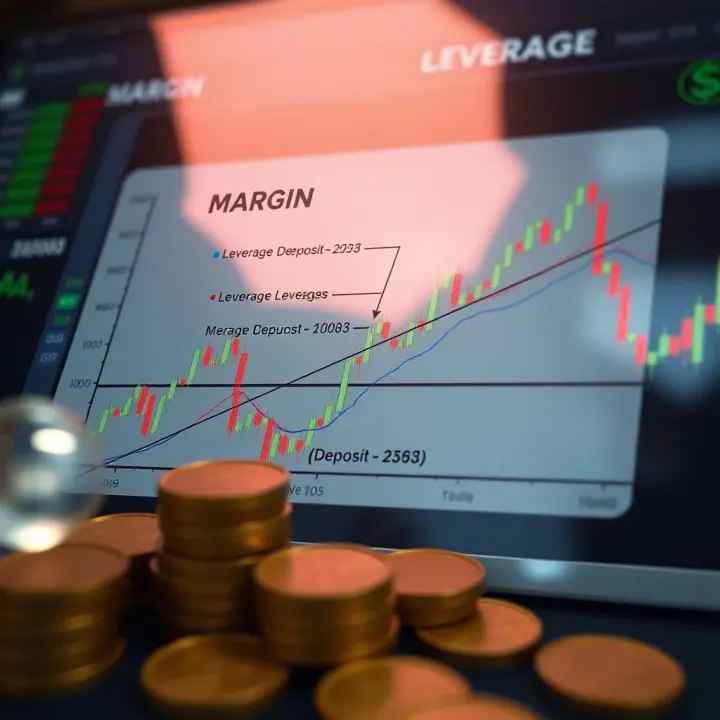
📊 Explore how margin works in trading, from deposits to risks and margin calls. Essential for Pakistan traders aiming to manage leveraged positions wisely.

Explore Deriv Cashier features and secure payment methods for Pakistanis 🚀. Manage deposits, withdrawals, and account tasks smoothly with expert tips 💼🔒.

Explore the deep roots and cultural impact of ?????? in Pakistan 🇵🇰. This guide uncovers its history, meaning, and ongoing relevance today.
Based on 12 reviews