
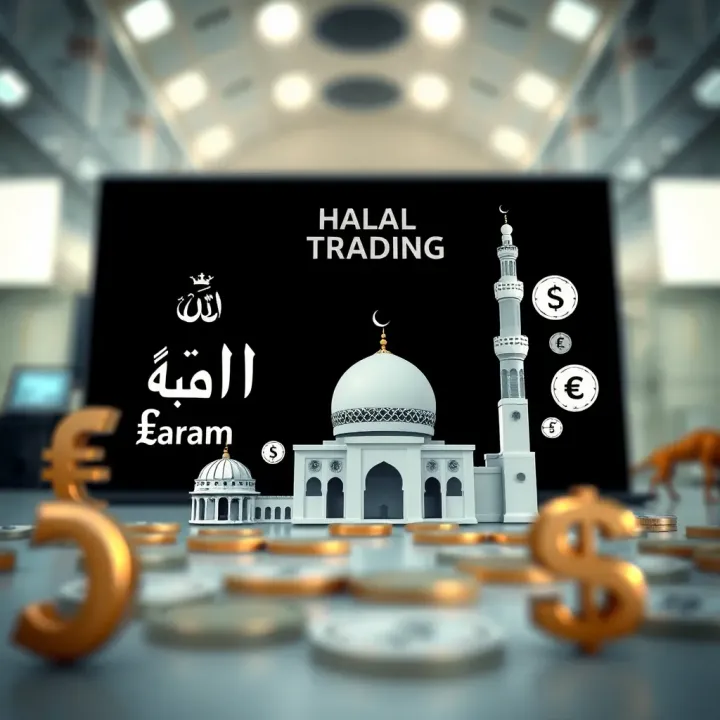
Is Forex Trading Halal or Haram? Islamic Viewpoint
Explore whether forex trading is halal or haram in Islam 📊, covering key principles, scholars' views, and practical tips for Pakistani Muslim traders. 🇵🇰
Edited By
James Thornton
Spot trading involves buying and selling financial instruments with immediate settlement, typically within two business days. Unlike futures or options, spot transactions exchange assets and funds right away, making it a straightforward trade.
For Muslim investors in Pakistan and beyond, the question arises: Is spot trading permissible under Islamic law? This is especially important because Shariah law forbids certain financial practices like interest (riba), excessive uncertainty (gharar), and gambling (maysir).
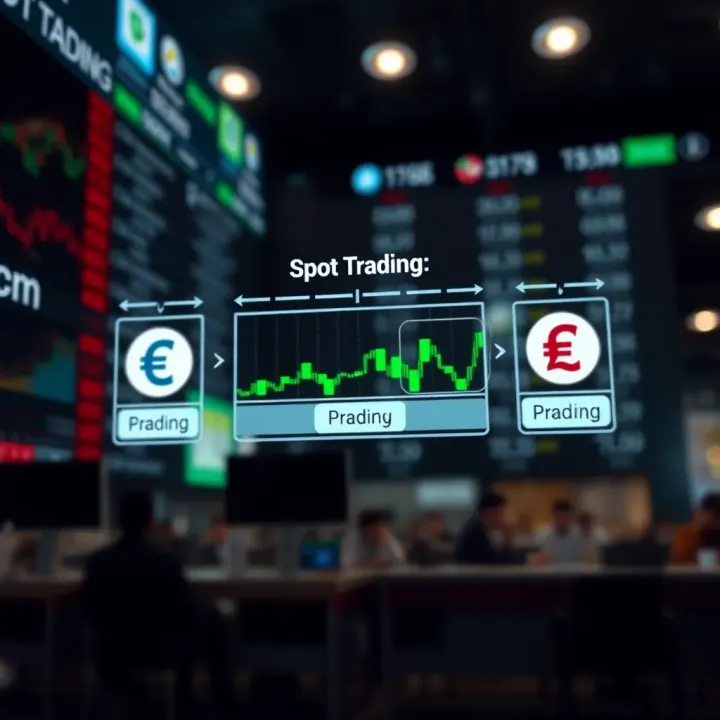
In spot trading, since contracts are executed and settled promptly, many argue it avoids the ambiguities and delays associated with other trading forms. For example, buying shares of a company like Pakistan Oilfields Limited on the spot market means you pay the price immediately and obtain ownership right away, with no deferred terms.
That said, not all spot trading automatically aligns with Shariah principles. The asset traded must itself be halal (permissible), and the transaction should be free from prohibited elements, such as speculation akin to gambling or selling something you don't own.
Immediate exchange: Payment and delivery happen typically within two days.
Ownership transfer: Both parties hold clear rights over the asset instantly.
No deferred payment: Unlike futures, no promises of future settlement at a set price.
Islamic scholars often highlight that spot trading resembles traditional trade, which has a strong basis in classical Islamic jurisprudence. However, the nature of the asset and the trader’s intention matter significantly. For instance, trading in currencies on the spot market is generally accepted if it’s settled quickly, but excessive speculation or leverage can turn it problematic.
In practical terms, Muslim traders in Pakistan should evaluate spot transactions based on asset type, settlement speed, and adherence to Islamic ethical standards.
Understanding these points helps Pakistani investors navigate the financial markets confidently, ensuring their trades do not contradict Islamic values. Further sections will unpack scholarly views, compare spot trading to other trading forms, and detail how to approach investments while respecting Shariah rules.
Understanding spot trading is crucial for investors and financial professionals, especially when evaluating its compatibility with Islamic finance principles. Spot trading involves buying and selling assets for immediate delivery, meaning the transaction settles "on the spot" or within a short period, typically two business days. This immediacy distinguishes it from other trading forms and affects its financial and legal implications.
For example, when a trader in Karachi buys shares of a company via a spot market, ownership transfers quickly and payment clears promptly. This direct exchange simplifies the transaction and reduces risks linked to delayed settlements, which is an important consideration for Muslim investors concerned about uncertainty (gharar) in trade.
Spot trading refers to the purchase and sale of financial instruments or commodities for immediate settlement. It primarily deals with assets like stocks, currencies, or commodities, where the buyer pays the agreed price and takes delivery of the asset realistically within two business days. The transaction price is called the spot price, reflecting current market value.
Key features include:
Immediate Settlement: Settlement happens promptly, limiting prolonged obligations.
Physical or Electronic Exchange: Depending on asset type, the transaction involves actual delivery or electronic recording.
Market-Driven Prices: Spot prices fluctuate based on live supply and demand dynamics.
For instance, when exchanging US Dollars for Pakistani Rupees at a bank's forex counter, the rate offered is the spot price, and the exchange happens immediately.
Spot trading differs significantly from futures trading and other derivative contracts. In futures, the buyer and seller agree today on a price but settle the transaction at a future date, which can be weeks or months ahead. This introduces risks due to price fluctuations and delayed settlement.
Unlike spot trades, futures contracts can be leveraged and are often used for hedging or speculation rather than immediate ownership transfer. Similarly, options and forwards present obligations settled later or dependent on future events.
Practical difference example: A trader buying crude oil on the spot market pays and receives the oil now. Conversely, in futures trading, the same trader locks a price today but takes delivery months later.
This distinction matters for Islamic finance, as immediate exchange can mitigate excessive uncertainty and speculation. Spot trading's transparency and lack of deferred delivery often appeal to Shariah scholars assessing permissibility.

In summary, grasping the mechanics of spot trading helps investors understand how it lines up—or clashes—with Islamic commercial ethics, especially regarding instant ownership transfer and minimisation of excessive risk.
Islamic finance follows strict rules based on Shariah law to ensure ethical and just economic behaviour. When it comes to trading — including spot trading — understanding these principles helps investors avoid practices considered exploitative or unfair. Key concepts like the prohibition of riba (usury), the avoidance of gharar (excessive uncertainty), and steering clear of haram (forbidden) items form the backbone. These principles aren't just theoretical; they impact how contracts are structured and trades executed.
Riba means any guaranteed interest or excess money charged on loans or deferred payments, which Islam strictly forbids. In practical trading, this means deferred delivery transactions must be free from interest or hidden charges. For example, buying shares now and paying more later just because of postponed payment is considered riba and therefore not allowed. Spot trading often involves immediate transaction and settlement, which helps avoid this risk. However, if delays or extra fees related to payment arrangements enter the picture, questions arise over its permissibility.
Gharar refers to unknowns or excessive uncertainty in contracts that could lead to disputes or exploitation. Trading products that lack clear ownership, specifications, or delivery dates can fall under this category. For instance, buying a commodity that isn’t physically possessed or doesn't exist yet is gharar. Spot trading usually involves immediate exchange of goods or assets, limiting gharar's presence. Still, if market prices are extremely volatile or contract terms vague, it can challenge compliance with gharar restrictions.
Trading must not involve products or activities forbidden in Islam, such as alcohol, gambling, pork-related goods, or companies involved in unethical businesses. A Pakistani investor interested in halal trading should carefully screen financial products and platforms for compliance. For example, investing in shares of a company producing non-halal consumables or gambling-related services conflicts with Shariah.
All these principles serve two main benefits: protecting investors from unfair advantage and promoting social justice. Spot trading, under the right conditions, can fit within these rules but requires vigilance in practice.
In Pakistan, where Islamic banking and finance have grown steadily, several platforms provide Shariah-compliant trading services, helping investors align their portfolios with these principles. Understanding riba, gharar, and halal criteria equips traders to participate confidently and responsibly in financial markets.
Spot trading involves immediate exchange of assets, which draws careful scrutiny in Islamic finance. Understanding how spot trading fits within Shariah requires examining key principles like the prohibition of riba (interest), gharar (excessive uncertainty), and the nature of the traded asset. Pakistani investors often question whether this form of trading aligns with Islamic rules, especially given the popularity of online trading platforms here.
Supporters argue spot trading is halal since it resembles a straightforward sale where ownership transfers immediately. The immediate payment and delivery reduce uncertainty, addressing the concept of gharar. For instance, buying shares of a listed company on the Pakistan Stock Exchange (PSX) with instant settlement avoids speculative delays or deferred payments.
Furthermore, as long as the traded commodity is halal and the transaction does not involve interest, spot trading can comply with Shariah. Muslims engaging in stock trading through recognised brokers like MCB or HBL Securities often find spot trading acceptable, especially when aiming for genuine investment rather than gambling.
On the other hand, some scholars view spot trading as haram if it involves elements akin to speculation or gambling. Although settlement is immediate, the rapid price fluctuations can encourage behaviour similar to gambling, which Islam forbids.
Moreover, in some spot transactions, delays or technical factors might blur the line of immediate delivery, leading to uncertainty (gharar). Trading volatile foreign exchange pairs or commodities without real possession or use can also be problematic. So, spot trading in certain markets might violate Islamic principles, especially if it resembles excessive risk-taking or involves prohibited goods.
Islamic scholars have offered mixed views about spot trading. Some moderate fatwas permit spot trade of shares and commodities if conditions of immediate possession and absence of interest are met. Institutions like the Islamic Fiqh Academy stress verifying that trading avoids riba, gharar, and forbidden items.
For example, some Pakistani scholars allow spot trading in shares on the Pakistan Stock Exchange as long as the companies operate within halal activities. However, they caution against speculative day trading or forex speculation, which may fall under gharar.
Therefore, it is crucial for investors to consult knowledgeable scholars and certified Shariah advisory boards when engaging in spot trading. Selecting Shariah-compliant stocks and ensuring genuine possession remain key for halal trading.
Spot trading sits in a nuanced place within Islamic finance—practical compliance with rules on certainty and asset legitimacy shapes its permissibility more than the trading format alone.
Understanding the diverse scholarly views helps Muslim traders in Pakistan navigate spot trading responsibly and ethically, preserving both religious principles and financial interests.
Muslim investors in Pakistan face unique challenges when engaging in spot trading due to the need to align financial practices with Shariah principles. This section highlights practical aspects that help investors navigate the market while adhering to Islamic law. Understanding these factors not only secures religious compliance but also promotes ethical investment and reduces unnecessary risks.
Selecting the right financial platform and broker is a vital step for Muslim investors looking to trade spot markets. Many international platforms do not explicitly cater to Shariah requirements, such as avoiding interest (riba) and investments in prohibited sectors like alcohol, gambling, or pork-related businesses. Investors should prefer platforms that offer clear Shariah-compliant options or segregate investments accordingly.
In Pakistan, brokers registered with regulatory bodies such as the Securities and Exchange Commission of Pakistan (SECP) might offer tailored services that respect Islamic finance principles. For example, some brokers provide access to Islamic equity indexes or Islamic mutual funds screened by Shariah advisors. Checking the broker’s compliance certifications, reviewing their investment portfolio guidelines, and ensuring transparent fee structures (avoiding interest-based charges) are essential.
Opting for brokers who understand Shariah compliance ensures your investment stays within permissible boundaries and reduces the risk of unintentionally engaging in prohibited activities.
Risk management is just as critical when investing under Islamic finance frameworks. The prohibition of excessive uncertainty (gharar) means investors should choose spot trading opportunities with clear terms, genuine market exposure, and immediate settlement features.
For instance, rather than speculative or leveraged trades, investments in underlying assets that have tangible value, like commodities or equities, are preferable. Using stop-loss orders judiciously and avoiding margin trading can limit exposure and prevent falling into haram transactions.
Ethical investing further entails avoiding industries that do not comply with Islamic ethics. Pakistani investors should stay clear of companies involved in interest-based banking, conventional insurance, tobacco, or non-Halal food products. Tools such as Shariah screening reports from Islamic finance organisations or local Shariah boards can assist in identifying acceptable investment targets.
Local platforms like Meezan Bank’s investment services provide examples of combining ethical criteria with practical trading access. By integrating risk management with ethical investing, Muslim traders can pursue spot trading without compromising their beliefs.
Understanding whether spot trading aligns with Islamic finance principles helps Muslim investors make choices that respect their faith and protect their financial interests. Spot trading involves immediate exchange of assets, which generally avoids the complexities of deferred payment seen in futures trading. However, the presence of factors like risk, uncertainty, and the nature of the traded asset must be carefully considered against Shariah guidelines.
Islamic scholars mostly agree that spot trading can be permissible if it meets certain conditions: the trade should have immediate exchange (known as Bay' al-Salam in Islamic law), avoid forbidden goods, and exclude interest (riba). Unlike futures or options, spot trading does not involve speculation about future prices, which reduces excessive uncertainty (gharar).
That said, Muslim investors must be cautious. For example, trading in commodities like pork or alcohol is clearly haram due to the nature of the asset. Additionally, platforms offering spot trading must be Shariah-compliant, avoiding hidden charges or interest-based financing. Practical advice includes using well-known Pakistani brokers or financial apps that offer Islamic trading accounts, plus adequate risk management tools to avoid gambling behaviour or undue speculation.
For those seeking more in-depth knowledge or personal consultation, there are several credible sources:
Islamic finance institutions in Pakistan like Meezan Bank or Al Baraka have trained Shariah boards to guide on compliant investments.
Fatwas issued by respected scholars or institutions such as Jamia Darul Uloom Karachi often address contemporary trading methods.
Books and articles by Islamic finance experts, available in Urdu and English, discuss nuances of halal investing.
Online seminars and courses from reputed Islamic finance academies provide practical knowledge about trading under Shariah rules.
Taking time to consult these resources ensures you avoid unintentional errors that could affect the religious permissibility of your investments.
Ultimately, balancing sound financial strategies with Islamic ethics not only safeguards your wealth but also brings peace of mind. Approach spot trading with clarity on conditions and consult experts whenever in doubt to ensure your trading stays halal.
Explore whether forex trading is halal or haram in Islam 📊, covering key principles, scholars' views, and practical tips for Pakistani Muslim traders. 🇵🇰

Explore whether Quotex trading aligns with Islamic finance principles ⚖️, assessing halal vs haram aspects on digital platforms for Pakistani users 💻📿.
Is Quotex halal or haram? 🔍 Understand Islamic finance views on Quotex trading platform to decide wisely. Clear guidance for Muslim traders in Pakistan and beyond.
Explore whether trading is halal or haram in Islam 🕌. Learn key rules, ethical guidelines, and what Muslim traders in Pakistan should consider 📈💼.
Based on 9 reviews